
Propagation
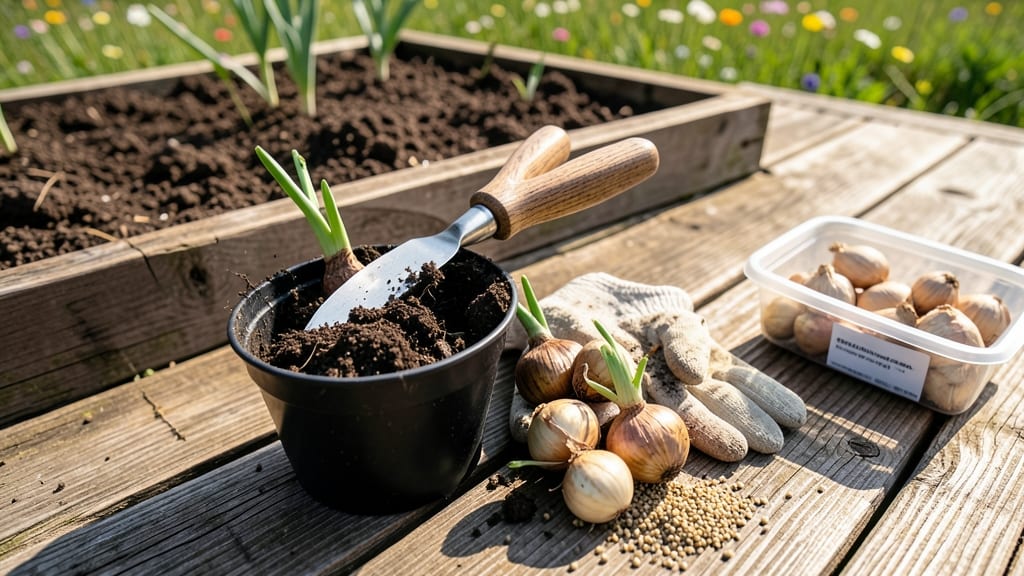
Reusing tulip bulbs saves money and keeps your garden blooming year after year—if you handle them right after flowering. 🌷 I’ve turned my $5 bag of bulbs into a decade-long garden staple by following just a few key steps after the petals fall.
The secret isn’t complicated, but timing and care make all the difference.
After blooms fade, leave the foliage alone for 6-8 weeks—it’s the plant’s energy factory, feeding nutrients back into the bulb. Cutting it too soon starves the bulb for next year.
Well-draining soil and a sunny spot help, but even partial shade works if you’re patient. Most gardeners quit here, but that’s where the magic happens.
With proper storage (cool, dry, and dark), your bulbs will reward you with stronger stems and bigger blooms every season. I’ve seen mine multiply naturally over time, and the first shoots appear earlier each year.
The key is consistency—don’t skip the foliage stage, and you’ll have tulips that outlast store-bought ones.
Works for hybrid tulips, species tulips, and even those fancy double varieties. Here’s exactly how to keep them thriving without the guesswork—no green thumb required.
📚 In This Guide
- What you need
- Instructions
- Tips and common mistakes
- Wrapping up and next steps
What you need
- ● Mature tulip bulbs: Healthy, disease-free bulbs from last season’s plants (1–5 bulbs, depending on your garden size).
- ● Well-draining potting mix or garden soil: A blend of compost, perlite, or sand (1–2 bags, 1–2 cubic feet per bulb).
- ○ Containers (optional for indoor storage): Mesh bags or paper sacks (for ventilated storage)
- ● Plastic bins with holes (for moisture control)
- ● Garden fork or trowel: For digging and separating bulbs (1–2 tools).
- ○ Gloves (optional): To protect hands from soil and sharp bulb edges.
- ● Watering can or hose: For gentle hydration (avoid overwatering!).
- ● Fertilizer (low-nitrogen, bulb-specific): 5-10-10 or bulb booster (1–2 applications per season).
- ● Bulb fertilizer tablets: Slow-release nutrients for a head start.
- ● Mulch (straw, leaves, or wood chips): To insulate bulbs in winter.
- ● Garden twine or labels: For organizing bulbs by variety.
- ● Indoor grow lights (for forced blooming): If you’re eager for early spring flowers!
- ● Pest deterrents: Copper tape or diatomaceous earth (to keep critters away).
Step-by-step instructions for reusing tulip bulbs
Here's how to keep your tulips blooming year after year with minimal effort.
🌱 Step 1: Dig and Inspect Bulbs After Flowering
Wait until tulip foliage turns completely yellow and brown—this signals the bulb has finished storing energy for next year. Using a garden fork, carefully lift bulbs from the soil, being gentle to avoid damaging the papery skins. I like to do this in early summer when the foliage has fully died back.
Shake off excess soil and inspect each bulb. Discard any that are soft, moldy, or show signs of rot—these won't regrow. Healthy bulbs feel firm and plump. Store them in a cool, dry place (around 60-65°F) with good airflow until replanting in fall.
⏰ Step 2: Replant Bulbs at the Right Time
Tulips need a period of cold to bloom well, so replant them in fall, about 6-8 weeks before the first hard frost. Choose a sunny spot with well-draining soil—tulips hate soggy roots. Dig holes 6-8 inches deep and space bulbs 4-6 inches apart for smaller varieties or 8-12 inches apart for larger ones.
Place bulbs with the pointed end facing up. Cover with soil and water lightly to settle it. I always mark the spot with a small stake so I remember where they are—next spring's surprise blooms are worth the effort!
☀️ Step 3: Provide Proper Care After Replanting
After replanting, water bulbs deeply once to help roots establish. Then, let nature take over—tulips need minimal care once planted. In spring, when shoots emerge, keep the soil consistently moist but not waterlogged until foliage dies back completely after flowering.
Here's the thing—don't cut the foliage back until it turns yellow and brown. The leaves feed the bulb for next year's blooms. If you skip this, you'll get fewer (or no) flowers the following spring.
✂️ Step 4: Encourage Future Blooms With Simple Tricks
After blooms fade, you can deadhead tulips (remove spent flowers) to redirect energy into bulb storage. But leave the foliage until it yellows completely. I also fertilize lightly in fall with a balanced bulb fertilizer—just follow package instructions.
For better blooms next year, divide and replant bulbs every 3-4 years. Over time, they multiply and crowd out, leading to smaller flowers. Dig them up in summer, separate the offsets, and replant as you did initially.
Tips & tricks for perfect tulip bulb reuse
These simple tricks will help you extend your tulip blooms for years without the guesswork.
Timing is Everything: Don't rush to dig up bulbs after flowering! Wait until the foliage turns completely yellow and brown—this can take up to 6 weeks after blooming. I learned this the hard way after digging too soon and getting fewer flowers the next spring. The leaves need time to photosynthesize and store energy for next year's blooms.
Storage Wisdom: Once you've lifted bulbs, store them in a cool, dry place at around 60-65°F with good airflow. A mesh bag in a dark closet or basement works perfectly. Avoid plastic bags—they trap moisture and can cause rot. I like to place them in a cardboard box with holes punched in the sides for ventilation.
Replanting Reminder: Mark your replanting spots with small stakes or flags so you don't accidentally disturb them when digging in summer. I've replanted in the wrong spot twice and had to dig up perfectly good bulbs to move them—needless to say, I'm now a stick flag enthusiast!
Fertilizer Strategy: When fertilizing in fall, use a balanced bulb fertilizer with equal parts nitrogen, phosphorus, and potassium. I've tried high-nitrogen fertilizers and ended up with lots of foliage but no flowers the next year. The key is phosphorus for strong root development and blooming.
Pro Tips for Reuse Tulip Bulbs
- These simple tricks will help you extend your tulip blooms for years without the guesswork.
- Timing is Everything: Don't rush to dig up bulbs after flowering!
- Storage Wisdom: Once you've lifted bulbs, store them in a cool, dry place at around 60-65°F with good airflow.
Frequently asked questions
Got questions about keeping your tulips coming back year after year? Here are the answers to the most common concerns—so you can enjoy those vibrant blooms without the guesswork!
Can I reuse tulip bulbs from store-bought flowers?
Unfortunately, most store-bought tulips are forced (grown in greenhouses to bloom early) and won’t regrow. Look for organic, garden-grown bulbs labeled for replanting, or ask your florist if they’re suitable. If unsure, treat them as a one-time bloom and plant fresh bulbs next season!
How long do tulip bulbs last if stored properly?
With the right care, healthy tulip bulbs can last 3–5 years (or even longer!) in the ground. Stored indoors in a cool, dry place (like a mesh bag in the fridge), they’ll keep for 1–2 years before replanting. Just avoid humidity—soggy bulbs = sad blooms!
Why aren’t my tulip bulbs blooming after replanting?
No flowers? Don’t panic! Tulips often take 2–3 years to fully establish. Check these fixes:
- Not enough sunlight: Tulips need 6+ hours of sun daily.
- Overcrowding: Dig up and separate bulbs every 2–3 years.
- Poor soil: Amend with compost for nutrients.
- Pests: Squirrels love tulips—try chicken wire or repellent.
Can I reuse tulip bulbs in containers instead of the ground?
Containers work great for tulips—just use a deep pot (8+ inches) with drainage holes. Plant bulbs 6 inches deep in well-draining soil (like a mix of potting soil and perlite). After blooming, let the foliage die back, then store the container in a cool, dark place until spring.
What do I do if my tulip bulbs rot or mold?
Ugh, rot is the worst! If you spot soft, mushy bulbs or mold, act fast:
- Remove affected bulbs and discard them.
- Check for overwatering—tulips hate soggy soil.
- Next time, plant in raised beds or sandy soil for better drainage.
- Add fungicide (like copper-based spray) if mold spreads.
Prevention tip: Never store bulbs in plastic bags—they need airflow!
Wrapping up and next steps
Reusing tulip bulbs is a rewarding way to enjoy vibrant blooms year after year with minimal effort!
By following simple steps—like proper storage, division, and soil care—you’ll extend their lifespan and even multiply your garden’s beauty. Your next step? Grab those bulbs, give them the love they deserve, and watch your garden flourish!
🌱 Pro tip: Share your newfound knowledge with fellow gardeners—swap bulbs or tips for even more blooms to enjoy! 🌸