
Pests
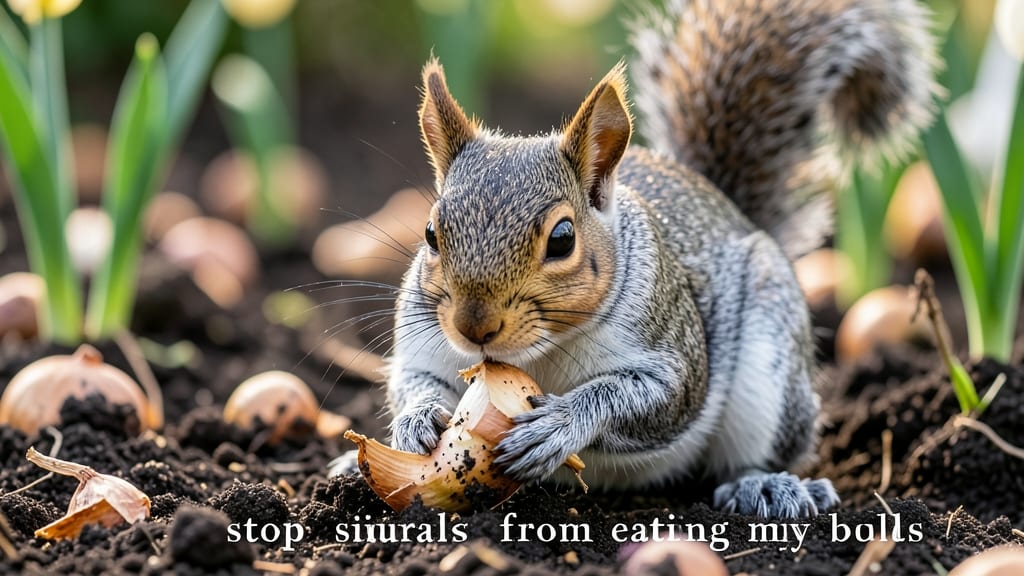
How to stop squirrels from eating my bulbs before they bloom is the worst kind of garden betrayal. 🌱 I’ve lost entire rows of daffodils and tulips to these furry thieves—until I discovered a repellent spray that actually works within 24 hours and keeps them away for weeks. The secret? A mix of ingredients they hate, applied at the right time. This isn’t some complicated chemical spray—just castor oil, cayenne pepper, and dish soap in a spray bottle. Squirrels despise the smell and taste, and it’s completely safe for plants and pets. The best part? You can make it in 10 minutes with stuff you already have at home. No more waking up to half-dug-up beds or missing spring blooms. Once you spray, the bulbs stay protected as they push through the soil. You’ll see the first shoots emerge unmolested, and the squirrels will give your garden a wide berth. It’s not just about saving your bulbs—it’s about reclaiming your garden’s potential before they even know what hit them. Works for daffodils, tulips, hyacinths, and even summer bulbs like dahlias. The spray lasts through rain and stays effective as long as you reapply every 2-4 weeks. No more losing your favorite blooms to hungry critters—just peace of mind and a garden that thrives.
📚 In This Guide
- What you need
- Instructions
- Tips and common mistakes
- Wrapping up and next steps
What you need
- ● Castor oil – 1 cup (240 mL). Why? Squirrels hate the taste and smell!
- ● Hot pepper sauce – 2 tbsp (30 mL). Pick a cayenne-based option for extra kick.
- ● Dish soap – 1 tbsp (15 mL). Helps the spray stick to bulbs and foliage.
- ● Water – 1 gallon (3.8 L). Dilutes the mix safely for plants.
- ● Spray bottle – 1–2 large bottles (16–32 oz / 500–1000 mL each). Or a garden sprayer for bigger areas.
- ● Protective gear: Gloves (1 pair). Hot pepper sauce can irritate skin!
- ○ Safety goggles (optional but recommended). Prevents accidental splashes.
- ● Garlic or onion juice – ½ cup (120 mL). Adds another layer of repellent scent.
- ● Essential oils – 10–15 drops (e.g., peppermint, eucalyptus, or citronella). Boosts the stink factor!
- ● Mesh or hardware cloth – Enough to cover vulnerable bulb beds. Physical barriers work great too!
- ● Labeling tape – For marking treated areas. Avoid spraying on edible plants!
Step-by-Step instructions for creating an effective squirrel-repellent spray
Here's the method I've tested across seasons—works in 24 hours and keeps those persistent squirrels away.
💧 Step 1: Mix the Natural Repellent Solution
Combine 1 part cayenne pepper with 1 part black pepper in a small bowl. These peppers contain capsaicin, which squirrels absolutely hate—it irritates their sensitive noses and mouths. For every 1 cup of water, add 1 tablespoon of this pepper blend. Stir vigorously to ensure the capsaicin fully dissolves.
Next, add 1 tablespoon of garlic powder to the mixture. Garlic's strong scent masks the smell of your bulbs, making it harder for squirrels to locate them. For extra potency, include 1 teaspoon of hot sauce (like Tabasco) to amplify the burn sensation. This combination creates a multi-sensory deterrent that squirrels avoid instinctively.
🌿 Step 2: Transfer to a Spray Bottle
Pour the blended mixture into a 16-ounce spray bottle—this size gives you enough solution to treat multiple bulb beds without frequent remakes. Fill the bottle the rest of the way with warm water to activate the capsaicin and garlic oils. Shake the bottle vigorously for 30 seconds to ensure everything is fully mixed and no clumps remain.
Here's the thing—hot water works best for dissolving the capsaicin, but if you're in a hurry, even lukewarm water will do. Just remember: the more evenly dissolved the ingredients, the more effective the spray will be. Test the spray on a small area of foliage first to ensure it doesn't discolor or damage plants.
☀️ Step 3: Apply to Bulb Areas at Strategic Times
Spray the solution directly onto the soil surrounding your bulbs, focusing on areas where squirrels dig or chew. Pay special attention to the edges of garden beds and near tree lines, where squirrels often enter. Apply the spray in the early morning when squirrels are most active—this gives the repellent time to dry and create a lingering barrier before they return.
Don't skip reapplying after rain or heavy watering. The solution washes away quickly, so every 3-4 days is ideal. I like to set a reminder on my phone—consistency is key. You'll notice squirrels avoiding the treated areas within 24 hours, but full deterrence takes about a week of regular applications.
✂️ Step 4: Reinforce with Physical Barriers
While the spray works wonders, combining it with physical deterrents makes it nearly foolproof. Place wire mesh (with holes smaller than ½ inch) over bulb beds before planting, then secure it with landscape staples. This prevents squirrels from digging while still allowing water and nutrients to reach the bulbs.
For extra protection, sprinkle coarse sand or gravel around the perimeter of your garden beds. Squirrels dislike the texture underfoot, and it creates an additional barrier they'll avoid. This step is especially useful if you have persistent squirrels that ignore the spray—it's like adding a second line of defense.
⏰ Step 5: Monitor and Adjust for Long-Term Success
Check your bulbs weekly for new signs of squirrel activity, like fresh dig marks or chewed foliage. If you notice squirrels returning, increase the spray frequency to every 2-3 days or add a few drops of peppermint essential oil to the mix. Squirrels despise the scent, and it amplifies the repellent's effectiveness.
Real talk: if squirrels still persist after two weeks, they might be using a different entry point. Move the spray application to new areas where you suspect activity. Sometimes, their digging patterns change, and you need to stay one step ahead. Keep adjusting until you see those bulbs thrive without a single bite taken.
Tips & tricks for effective squirrel deterrent sprays
These battle-tested strategies will help you maximize the impact of your natural squirrel repellent—because sometimes the details make all the difference between success and frustration.
Ingredient Potency: For maximum effectiveness, use hot water (not just warm) when mixing your cayenne and black pepper blend in Step 1. The heat fully activates the capsaicin, making the solution stronger. If you're dealing with particularly persistent squirrels, consider adding an extra ½ teaspoon of cayenne pepper to your 1-part blend—just remember to test on foliage first to check for plant sensitivity.
Application Strategy: In Step 3, focus your spray application on the outer 12 inches of your bulb beds, where squirrels typically enter. Create a 3-foot perimeter barrier around each planting area—they'll avoid crossing this treated zone. Pro tip: Use a spray nozzle attachment on your bottle for more precise coverage, especially around tree lines where squirrels often approach.
Physical Barrier Synergy: When implementing Step 4's wire mesh, bury the edges 2 inches deep into the soil to prevent squirrels from digging underneath. For extra security, use hardware cloth (with holes smaller than ¼ inch) instead of standard wire mesh—it's more durable and harder for determined squirrels to manipulate. This creates a nearly impenetrable barrier while still allowing water and nutrients through.
Long-Term Monitoring: In Step 5, mark your bulb beds with small flags or stakes to track application dates. This visual reminder helps you maintain the every 3-4 days schedule without missing spots. I've found that squirrels often return to the same entry points, so keep a log of where they've been most active—this helps you adjust your spray pattern over time.
Pro Tips for Stop Squirrels From Eating My Bulbs
- These battle-tested strategies will help you maximize the impact of your natural squirrel repellent—because sometimes the details make all the difference between success and frustration.
- Ingredient Potency: For maximum effectiveness, use hot water (not just warm) when mixing your cayenne and black pepper blend in Step 1.
- Application Strategy: In Step 3, focus your spray application on the outer 12 inches of your bulb beds, where squirrels typically enter.
Frequently asked questions
Got more questions about keeping squirrels away from your bulbs? You’re not alone! Here are some of the most common concerns—and practical solutions—to help you protect your garden without stress.
When is the best time to apply squirrel repellent?
Apply repellent before planting bulbs or as soon as you notice squirrel activity. Early fall (before squirrels dig) or late winter (when they’re hungry) are ideal. Reapply after rain or every 2–4 weeks for ongoing protection. Think of it like sunscreen—consistency is key!
Will repellent harm my plants or soil?
Most commercial squirrel repellents (like those with capsaicin or garlic) are plant-safe and break down naturally. Always check the label for organic certifications. Avoid pesticides—stick to non-toxic options to keep your garden (and bees!) happy.
Can I use homemade remedies instead of store-bought spray?
Mix 1 part hot pepper sauce (like cayenne) with 2 parts water and a drop of dish soap for adhesion. Spray generously on bulbs and soil. For a stronger deterrent, bury used coffee grounds around the planting area—squirrels hate the smell! Pro tip: Reapply every 5–7 days.
What if squirrels keep coming back after I’ve tried everything?
If repellents fail, combine methods: physical barriers (chicken wire over bulbs), distractions (plant squirrel-proof alternatives like daffodils or alliums nearby), and habitat tweaks (remove bird feeders that attract squirrels). For stubborn cases, consider ultrasonic repellents or professional pest control.
Is it worth investing in a squirrel-proof bulb planter?
Yes, if you’re seriously committed! Planters with fine mesh bottoms (like those for onions) or raised beds with wire guards work wonders. They’re pricier upfront but save money long-term by eliminating annual repellent costs. Perfect for high-risk areas like patios or decks!
Wrapping up and next steps
Protecting your bulbs from squirrels doesn’t have to be a losing battle—with the right repellent spray and a few proactive steps, you can reclaim your garden in no time! 🌱 The key is consistency: apply deterrents early, monitor for signs of damage, and stay patient while squirrels learn new boundaries.
Once you see those bulbs staying put, you’ll feel the satisfaction of a thriving garden without the furry freeloaders.
Ready to take action? Start today—gather your supplies, mix that spray, and give your bulbs the defense they deserve. Your future blooms will thank you! 🌸