
Planting
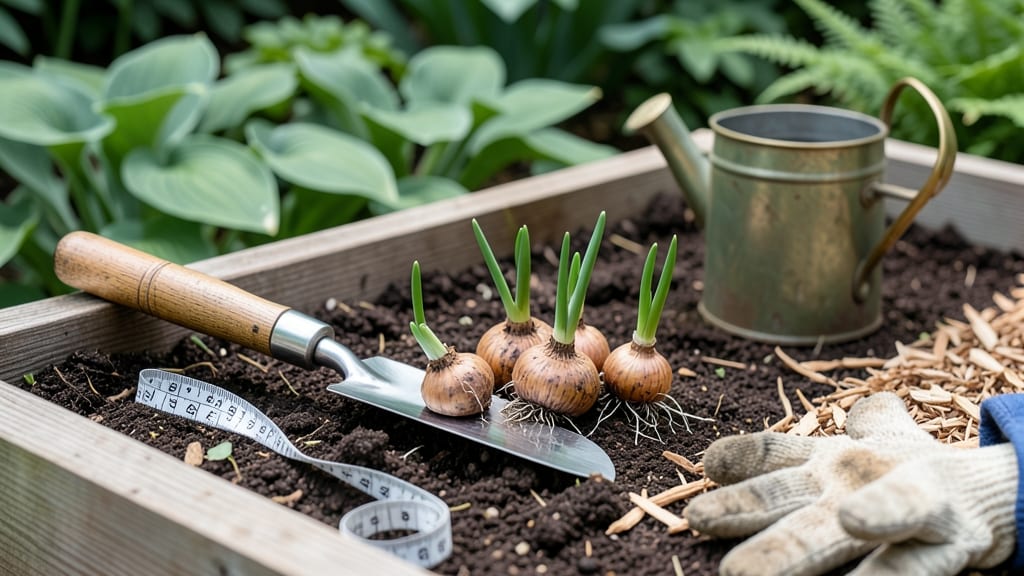
Planting the hyacinth bulbs nearby in fall guarantees a shockingly fragrant spring show that’ll make your garden the envy of the neighborhood. 🌱 The secret timing is key—bulbs need to root before winter’s chill sets in, so aim for 6-8 weeks before your first frost, usually between October and November in most zones.
Local garden centers are your best bet for fresh, hardy bulbs—ask when they’ll be restocked for fall planting. If you miss the window, store them in a cool, dry spot until you’re ready.
I’ve kept mine in a mesh bag in the fridge (not the crisper drawer) for 2-3 months without issues.
By spring, you’ll be rewarded with clusters of jewel-toned blooms that perfume the air for weeks. Just plant them in well-draining soil, 6 inches deep, and 4-6 inches apart. They thrive in full sun to partial shade, making them perfect for borders, containers, or even under trees.
Pro tip: Deadhead spent blooms to encourage stronger growth next year. And if you love the scent, try planting them near patios or windows—your nose will thank you. Ready to get started?
📚 In This Guide
- What you need
- Instructions
- Tips and common mistakes
- Wrapping up and next steps
What you need
- ● Hyacinth bulbs: 3–5 bulbs per plant (choose varieties like ‘Anna Marie,’ ‘Woodstock,’ or ‘Delft Blue’ for vibrant colors and fragrance).
- ● Well-draining potting mix or garden soil: 1–2 bags (amend with compost for richer nutrients).
- ● Container or garden bed: For containers: 6–8" deep pots (1 bulb per 3–4" of pot diameter).
- ● For in-ground planting: A sunny spot with 6+ hours of light daily.
- ● Slow-release fertilizer: 1 tbsp per bulb (look for a 10-10-10 or bulb-specific formula).
- ● Garden gloves & trowel: 1 pair and 1 small trowel for easy digging.
- ● Mulch: Straw or shredded bark to retain moisture and protect bulbs in winter.
- ● Peat moss or perlite: Mix 1 part into soil for better drainage.
- ● Decorative rocks or pebbles: To enhance container aesthetics.
- ● Plant labels: To track varieties and planting dates.
Step-by-Step guide to planting hyacinth bulbs for spring blooms
Here’s how to get those sweet, fragrant blooms popping up reliably every spring—no guesswork involved.
🌱 Step 1: Choose the Right Location and Soil
Hyacinths thrive in full sun to partial shade, so pick a spot that gets at least 6 hours of sunlight daily. If your garden is shady, don’t worry—hyacinths will still bloom, though slightly later. Dig a hole about 6 inches deep and twice as wide as the bulb itself. The soil should drain well because soggy roots will rot bulbs before they even sprout.
Amend the soil with a handful of compost or well-rotted manure to improve fertility. You’ll know the soil is ready when it crumbles easily between your fingers—like cake batter, not wet sand. If your soil is heavy clay, mix in a scoop of sand or perlite to loosen it up.
🪴 Step 2: Plant Bulbs at the Correct Depth and Spacing
Hyacinth bulbs need to be planted 6 inches deep and 4-6 inches apart. The rule of thumb is to dig a hole deep enough so the bulb sits with its base 2 inches below the soil line. If you plant them too shallow, they’ll flop over when blooming. Tap the soil gently around the bulb to remove air pockets, then water lightly to settle everything in place.
Here’s the thing—hyacinths grow best in clusters. For a full, fragrant display, plant 3-5 bulbs together in one spot. This creates a natural, lush look that’s far more impressive than single bulbs scattered around. Mark the spot with a small stake or flag so you remember where they’re planted—new gardeners often forget!
☀️ Step 3: Water and Mulch for Winter Protection
After planting, water the area until the soil is moist but not soggy. You want the soil to feel like a damp sponge, not a dripping wet rag. Once watered, spread a 2-3 inch layer of mulch (like straw or shredded leaves) over the soil. This keeps the bulbs insulated during winter’s freeze-thaw cycles, which is critical for strong spring blooms.
Don’t over-mulch, though—too much can smother the bulbs or trap excess moisture. In late winter, just before shoots appear, remove about half the mulch to let the soil warm up. You’ll see the first green tips emerge in 8-12 weeks, depending on your climate. If your area gets harsh winters, add a 4-6 inch layer of mulch in late fall for extra protection.
⏰ Step 4: Care for Blooms and Prepare for Next Year
Once hyacinths bloom, they’ll need regular watering—about 1 inch per week—to keep the soil evenly moist. Stop fertilizing after the foliage turns yellow in late spring, as this signals the bulb to store energy for next year. Let the leaves die back naturally; don’t cut them until they’re completely brown. This ensures the bulb gets all the nutrients it needs for another round of blooms.
In late summer or early fall, after the foliage has died back, you can dig up and divide crowded clumps if needed. Plant the bulbs again in fresh soil, and they’ll reward you with even more fragrant blooms next spring. Real talk: If you skip this step, your hyacinths will still bloom, but the flowers might get smaller over time.
Tips & tricks for perfect spring hyacinth planting
Let me save you the trial-and-error of planting these beauties—these are the secrets that’ll turn your garden into a fragrant paradise.
Sunlight Secret: That 6 hours of sunlight recommendation in Step 1 is non-negotiable for peak blooms, but here's the thing: morning sun is more important than afternoon. If you're in a hot climate, afternoon shade helps prevent the bulbs from drying out too quickly. I've seen hyacinths in full sun all day still thrive, but they'll reward you with bigger blooms when they get that morning light.
Soil Test Trick: Before you dig, do this quick check: grab a handful of your garden soil and squeeze it. If it holds together like a rock when wet, you need more sand or perlite. If it crumbles like cake batter, you're good to go. I've planted in soil that looked perfect only to have bulbs rot because of hidden compaction—this simple test saves headaches.
Planting Depth Pro Tip: When you're planting those 6 inches deep in Step 2, imagine the bulb sitting like a little pot with its base 2 inches below soil. Here's what I do: I place the bulb in the hole, then fill around it with soil until it's just covered. Then I add a little more—this ensures it won't shift when you water. The key is firm but gentle packing to avoid crushing the bulb.
Mulching Mastery: That 2-3 inch mulch layer in Step 3 is your winter insurance policy, but timing matters. Apply it right after planting, then add that extra 4-6 inch layer in late fall only if you're in Zone 5 or colder. I've seen gardeners smother their bulbs with too much mulch in mild climates—just remember, you want insulation, not suffocation.
Pro Tips for Hyacinth Bulbs Nearby
- Let me save you the trial-and-error of planting these beauties—these are the secrets that’ll turn your garden into a fragrant paradise.
- Sunlight Secret: That 6 hours of sunlight recommendation in Step 1 is non-negotiable for peak blooms, but here's the thing: morning sun is more important than afternoon.
- Soil Test Trick: Before you dig, do this quick check: grab a handful of your garden soil and squeeze it.
Frequently asked questions
Got questions about finding and growing hyacinth bulbs nearby? You’re not alone—spring planting can feel tricky! Here are answers to the most common queries to help you get started with confidence.
Where can I find hyacinth bulbs for sale nearby?
Check local nurseries, garden centers, or big-box stores like Home Depot or Lowe’s in late summer/early fall (August–October). For unique varieties, visit specialty bulb shops or online retailers with local pickup options. Pro tip: Call ahead to confirm stock—hyacinths sell out fast!
When is the best time to plant hyacinth bulbs?
Plant bulbs 6–8 weeks before the first frost (typically September–November in most U.S. zones). For cooler climates (zones 3–7), aim for October; warmer zones (8+) can plant until December. Key: Soil should be 50–60°F for optimal root growth.
Do hyacinth bulbs need full sun, or can they grow in shade?
Hyacinths thrive in full sun (6+ hours/day) but tolerate partial shade (4–6 hours). In hot climates, morning sun + afternoon shade prevents bulb burn. Watch for: Fewer blooms in deep shade, but they’ll still multiply over time!
Why aren’t my hyacinth bulbs blooming this year?
Common culprits: too much shade, overcrowded bulbs (dig and separate every 3–4 years), or poor drainage. Also, hyacinths need chill hours (4–6 weeks below 40°F) to bloom. Fix it: Plant in a sunnier spot, divide bulbs, and ensure well-draining soil.
Can I grow hyacinths in containers instead of the ground?
Use a container with drainage holes and plant bulbs 6 inches deep in well-draining potting mix. Choose shallow pots (12+ inches deep) for better root spread. Bonus: Container hyacinths are perfect for patios and can be moved indoors before frost!
| Quick Troubleshooting | Solution |
|---|---|
| Bulbs rotting in soil | Improve drainage (add sand/perlite) or plant in raised beds. |
| Pests (squirrels, rodents) | Use chicken wire cages or plant bulbs deeper (8+ inches). |
| No flowers, but green leaves | Fertilize lightly with bulb-specific food in early spring. |
Wrapping up and next steps
Ready to welcome spring’s sweetest scent into your garden?
Planting hyacinth bulbs nearby is easier than you think—just follow the right steps, and you’ll soon enjoy bursts of color and fragrance that brighten every day. 🌸 Whether you’re a seasoned gardener or a beginner, these fragrant blooms are a rewarding addition that’ll make your outdoor space feel like a dream.
Your next step? Mark your calendar for fall planting (or check local frost dates) and grab those bulbs—your future spring garden is waiting! 🌱