
Landscaping
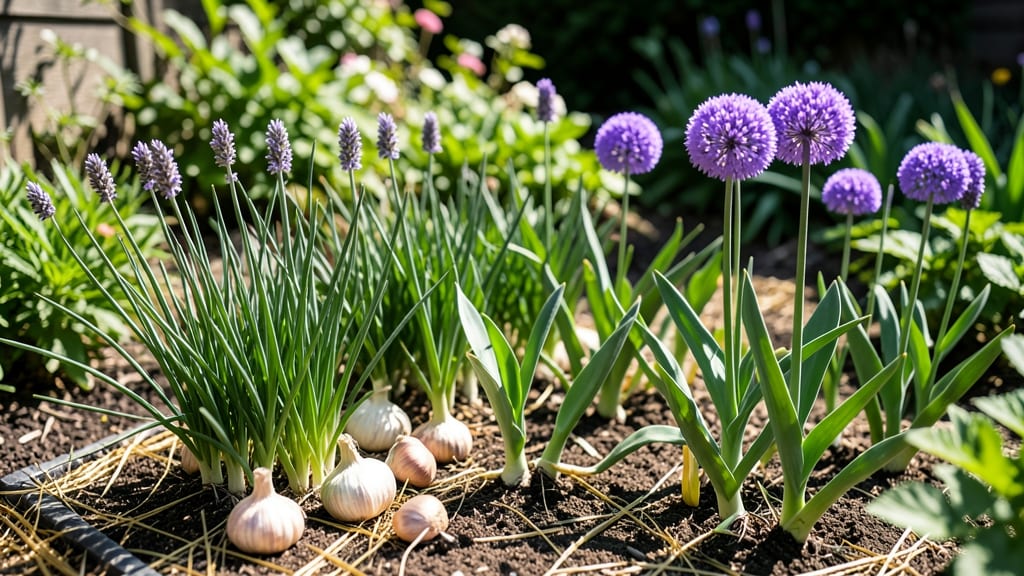
Transform your garden into a vibrant, low-maintenance masterpiece with these 10 layered bulb planting plans. Discover how strategic bulb combinations create year-round interest, from early spring blooms to winter foliage texture.
Spring Awakening Tulip Perennial Border
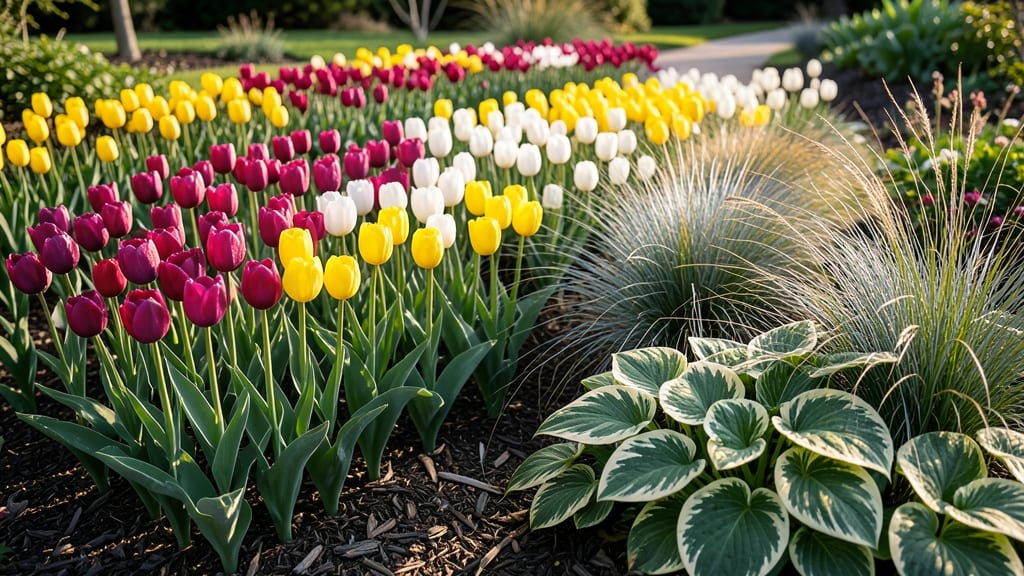
Want a garden that wakes up every spring with vibrant color and stays effortless all season? A tulip perennial border combines bold tulip blooms with ornamental grasses and hostas for a layered, textured look that returns year after year with almost no extra work.
Start by planting tulip bulbs in clusters of 3-5 for dramatic impact, choosing varieties like 'Darwin Hybrid' for height or 'Fosteriana' for early color. Pair them with hostas (like 'Blue Angel' or 'Halcyon') for lush foliage that thrives in shade, and add ornamental grasses such as Miscanthus sinensis or Panicum virgatum for movement and winter interest. This trio creates a low-maintenance border that blooms in spring, provides summer texture, and keeps structure through fall.
Perfect for gardeners who love early-season color but hate high-maintenance beds, this design thrives in full sun to partial shade and requires only basic mulching and occasional division of hostas every few years. The result? A stunning, near-perpetual display that feels like a pro designer did it. 🌷
Woodland Shade Daffodil Underplanting
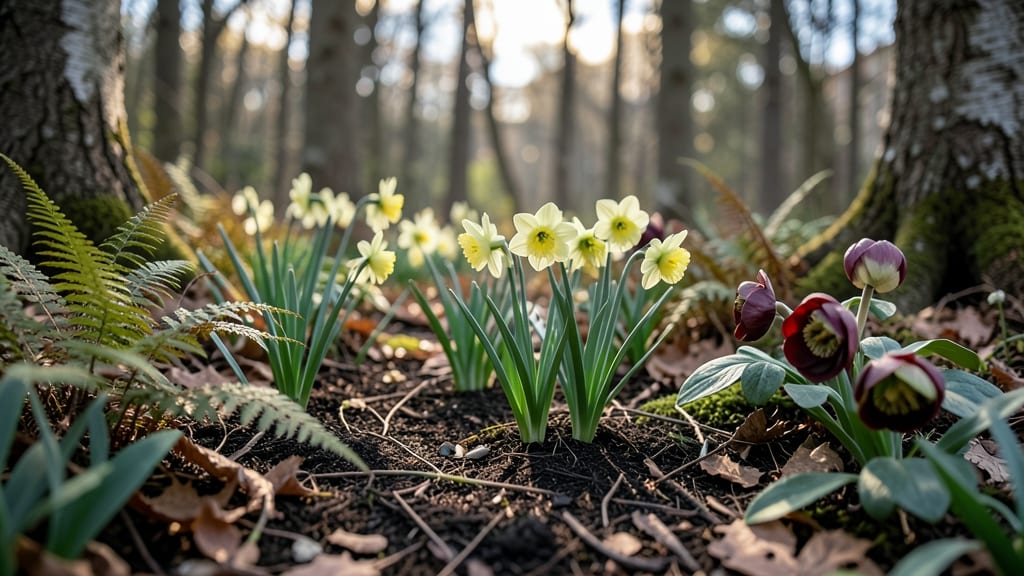
Turn your shady garden corners into a lush woodland escape with a daffodil underplanting scheme that thrives where others fail. This clever combo of woodland daffodils (like Narcissus poeticus) with ferns and hellebores creates a carpet of color that emerges in late winter, long before most perennials wake up.
Plant daffodil bulbs 4-6 inches deep in well-draining soil under deciduous trees, where they'll get dappled shade. Pair them with native ferns like Matteuccia struthiopteris for texture and hellebores (Helleborus niger) for early blooms. The daffodils' cheerful yellows contrast beautifully with the ferns' feathery fronds and hellebores' dark green foliage, creating a natural tapestry that lasts from winter through spring.
This design is perfect for gardeners with shady spots that feel neglected—it transforms them into a low-maintenance woodland garden that requires no extra watering once established. Plus, the deer-resistant daffodils deter pests while providing early nectar for pollinators. 🌱
Summer Long-Blooming Allium Meadow
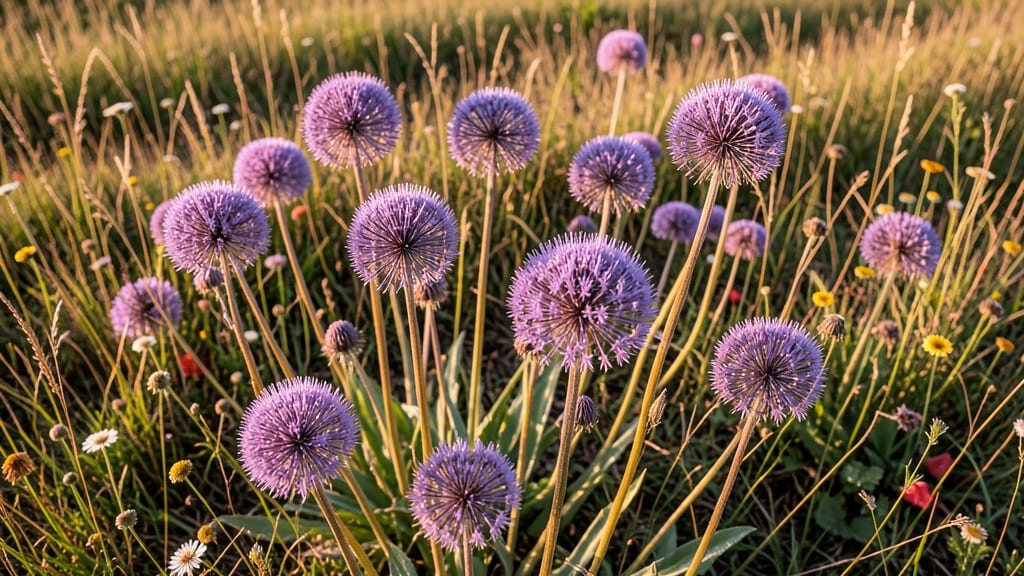
Skip the high-maintenance watering schedule—alliums turn your summer garden into a thriving meadow with almost no effort. These drought-tolerant bulbs thrive on neglect once established, offering bold vertical drama that pollinators adore.
Plant allium varieties like Allium giganteum or Allium schubertii in well-drained soil with full sun, spacing them 12-18 inches apart. Their globe-shaped blooms (ranging from purple to white) rise 2-4 feet tall, creating striking focal points. Pair them with wildflowers or lavender for a cottage-garden feel that requires minimal irrigation after the first year.
Perfect for urban gardeners or rural meadows, alliums bring color and structure without the upkeep. 🌻
Autumn Foliage Fritillary Display
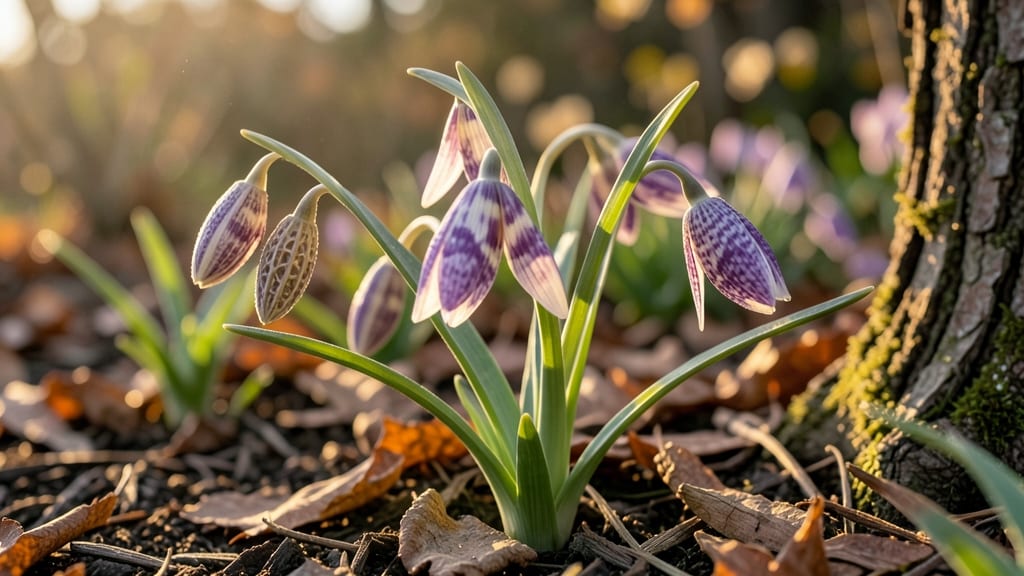
When fall's rich colors start to fade, Fritillaria meleagris steps in as your garden's unexpected star. Known as the "snake's head fritillary," this bulb delivers checkerboard-patterned blooms in late spring, followed by striking seed heads that persist through autumn, offering year-round visual interest.
Plant these bulbs in well-draining soil with full sun to partial shade, making them ideal for formal garden beds or containers. Their unique foliage and seed pods create texture that pairs beautifully with grasses, asters, or ornamental alliums. Unlike many bulbs, they naturalize well over time, creating colonies that multiply each year with minimal care.
Perfect for gardeners seeking seasonal structure, this fritillary thrives in both traditional and modern landscapes. Add it to your bulb collection for a plant that delivers drama when most gardens start to wind down. 🌻
Winter Interest Snowdrop Woodland Edge
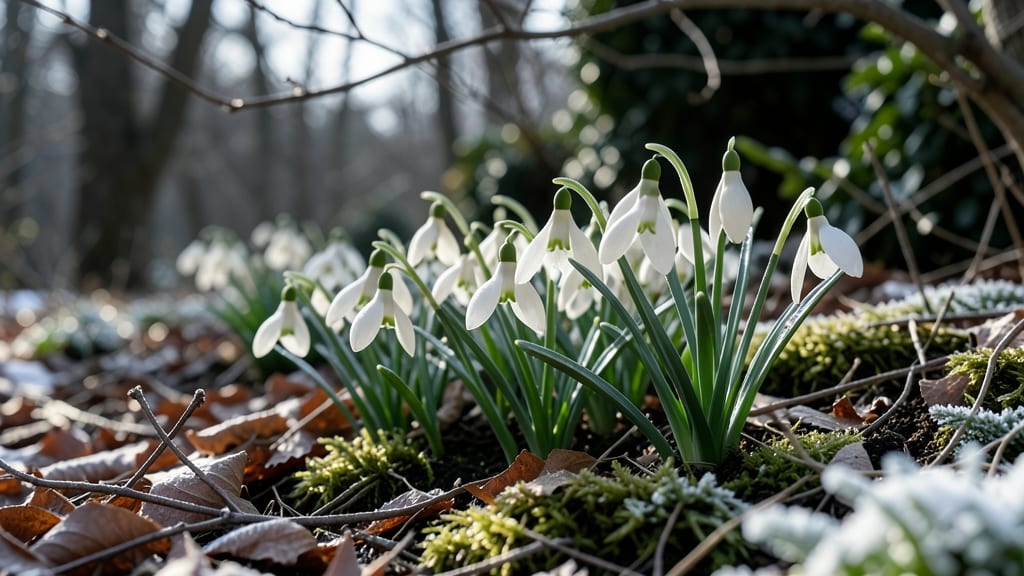
When winter's chill makes other gardens look bare, Galanthus nivalis—commonly called snowdrops—pops with delicate white blooms that defy the cold. These hardy bulbs thrive in USDA zones 3-9, emerging through snow or frost to create a magical woodland edge that feels like a fairy tale.
Plant them in clusters along evergreen shrubs like Ilex or Pinus mugo for year-round structure, or pair with winter berries like Cotoneaster for vibrant contrast. Snowdrops prefer partial to full shade and well-drained soil—perfect for underplanting trees or along fences. Their early bloom time (January–March) also signals spring's arrival while providing vital nectar for bees.
This design is ideal for gardeners seeking low-maintenance winter interest without sacrificing beauty. Even urban gardeners with small spaces can create a woodland edge in containers or along pathways. 🌿
Container Garden Hyacinth Cascade
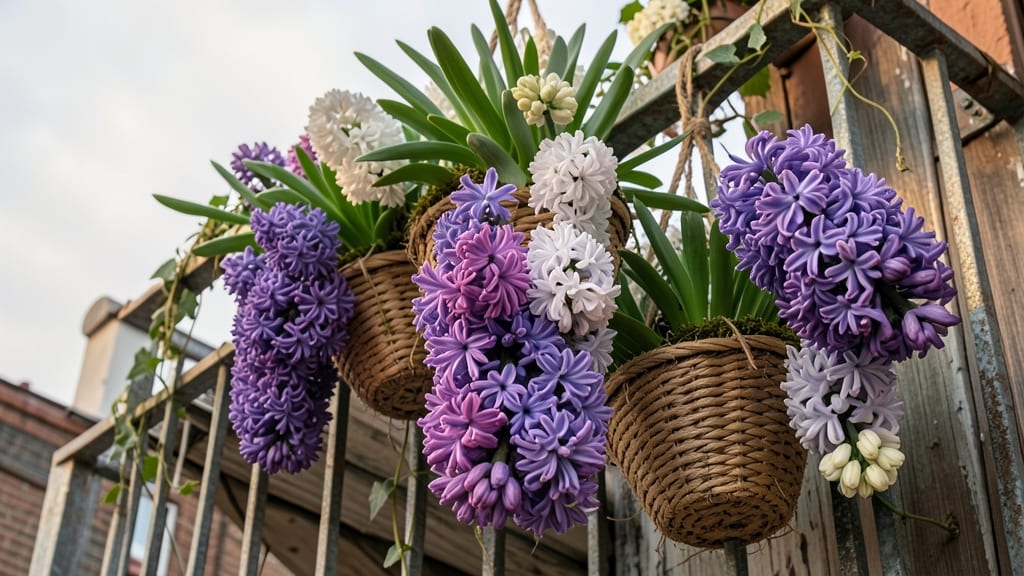
Maximize small spaces with a hyacinth cascade that brings fragrant blooms to patios and balconies where ground space is limited. Hanging baskets filled with hyacinth bulbs create a stunning vertical display that spills over edges, instantly adding color and scent to urban gardens.
Plant three hyacinth bulbs per 10-inch basket for a lush, full look, pairing them with trailing English ivy for soft texture and sedum for drought resistance. The combination thrives in morning sun to partial shade, making it perfect for city balconies or courtyard gardens. Water when the top inch of soil feels dry, and enjoy blooms that last for weeks in spring.
This space-saving solution is ideal for renters or small-space gardeners who want year-round interest without sacrificing beauty. The fragrant blooms will draw you outside while keeping maintenance simple. 🌷
Prairie-Style Crocus Groundcover
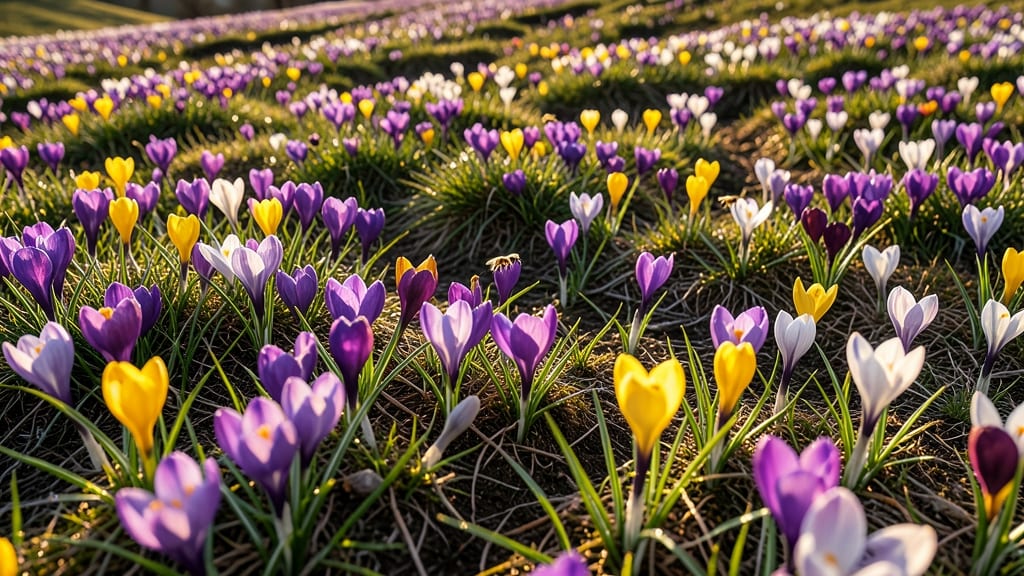
Skip the formal garden beds—prairie-style crocus turns sun-drenched spaces into living carpets that buzz with early-season pollinators. These hardy bulbs naturalize effortlessly, spreading year after year to create a low-maintenance meadow effect that thrives in full sun.
Plant crocus bulbs 3-4 inches deep in fall for February-March blooms, choosing varieties like 'Purple Mountain Majesty' for dramatic purple swaths. Pair them with wildflowers or ornamental grasses to extend the season, or use them as a living mulch between stepping stones to suppress weeds naturally.
Perfect for beginner gardeners and pollinator-friendly landscapes, this approach requires zero fuss—just plant, admire, and repeat. 🌻
Rock Garden Miniature Iris Arrangement
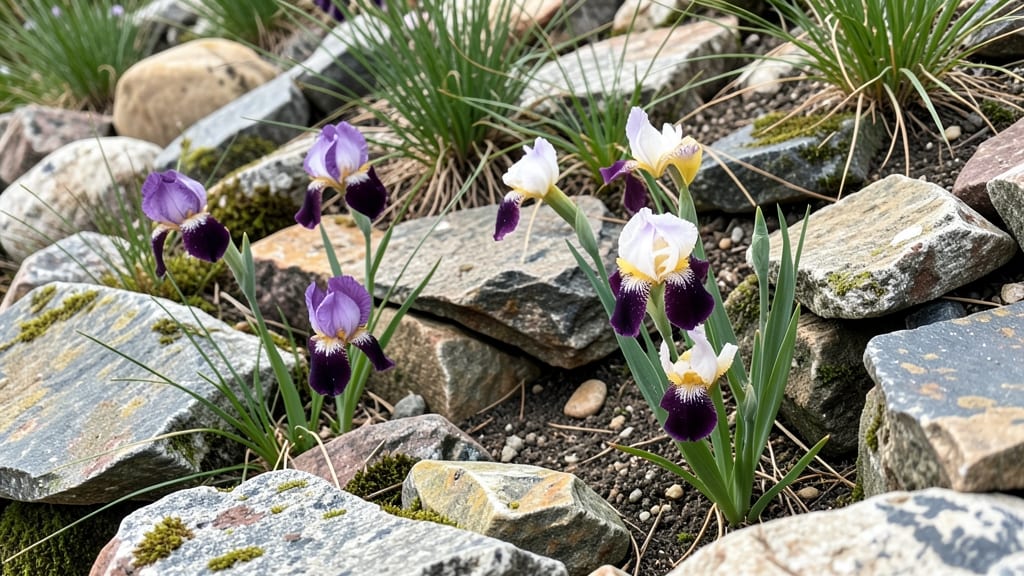
Create a miniature masterpiece with dwarf iris varieties that bring alpine charm to your rock garden. These tiny blooms—often just 2-4 inches tall—deliver the same dramatic presence as their larger cousins but in a fraction of the space, perfect for crevices and slopes.
Plant Iris reticulata or Iris histrioides among saxifrages and sedums for a layered effect that mimics natural alpine meadows. Use sharp gravel or small stones to define planting areas while keeping moisture near the roots. These irises thrive in full sun to partial shade and bloom in early spring, often before other plants wake up.
This design is ideal for small-space gardeners or those who love textural contrast—the velvety irises pair beautifully with the fuzzy leaves of saxifrage and the plump foliage of sedum. A single rock garden can become a year-round focal point. 🌷
Moon Garden White Bulb Moonlight Display
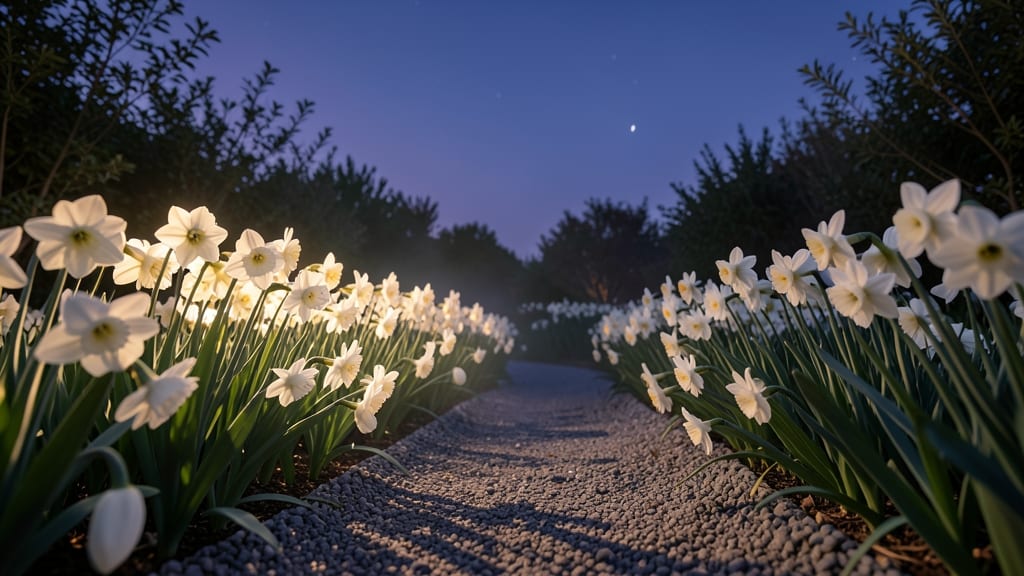
Transform your garden’s evening ambiance with a moon garden featuring all-white bulbs like paperwhite narcissus and moonflower daffodils. These luminous blooms glow under moonlight, turning nighttime strolls into magical experiences—ideal for pathways or entryways where soft light creates drama.
Plant paperwhites in shallow containers along walkways or borders for their fragrant, star-shaped flowers that appear in winter. Pair them with moonflower daffodils (Narcissus 'Moonlight') for early spring blooms, both thriving in well-drained soil. Add white snowdrops for winter interest, ensuring continuous blooms from late fall to spring.
Perfect for urban gardeners or small spaces, this low-maintenance design requires minimal care and delivers maximum visual impact. Let the moon do the work—your garden will shine effortlessly. ✨
Edible Bulb Kitchen Garden Layout

Turn your kitchen garden into a dual-purpose powerhouse with a layout that feeds both your table and your soul. By interplanting chives, garlic, and shallots with their ornamental cousins like alliums, you create a bed that’s as beautiful as it is productive.
Start by dedicating a sunny corner (at least 6 hours of sun) to your edible bulbs, spacing garlic and shallots 6 inches apart in rows 12 inches apart. Tuck chives along the edges or between rows for a pop of purple flowers and easy access. For visual drama, plant ornamental alliums—like the towering Allium giganteum—behind your edibles. These globular blooms attract pollinators while adding height and texture, creating a stunning contrast with the flat leaves of chives or the slender stalks of garlic.
This layout is perfect for urban gardeners with limited space or anyone who wants to reduce food miles. Plus, the alliums’ long blooming season (June through August) ensures your kitchen garden stays visually appealing even when the harvest isn’t ready. 🌻