
Container Gardens
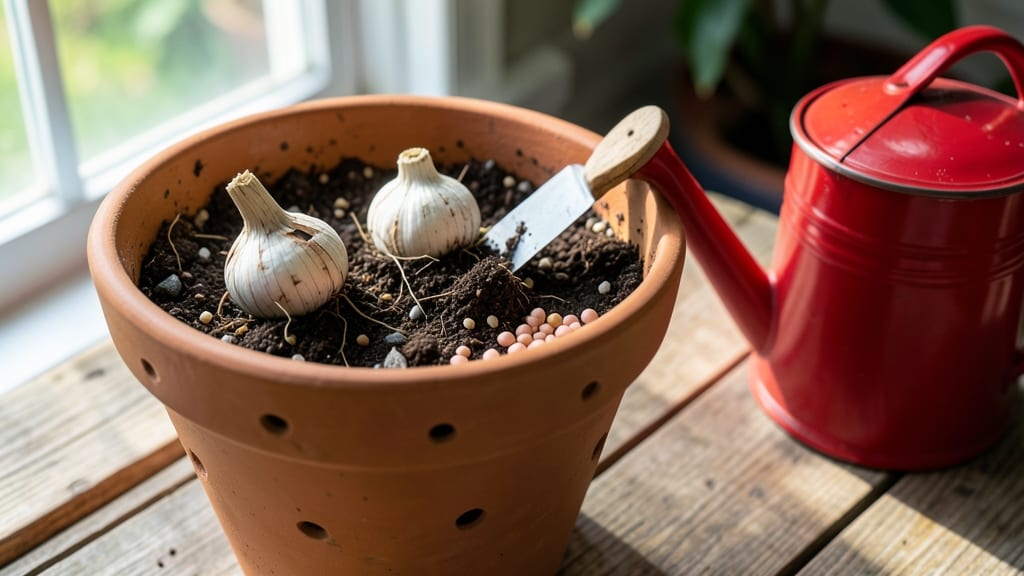
Growing lily bulbs in pots transforms any balcony or patio into a showstopper. 🌸 My first attempt with Asiatic lilies in a 12-inch container produced blooms taller than my waist—proof that bold flowers aren't reserved for yards with acres of space.
The secret lies in matching the right pot, soil, and sunlight to what lilies naturally crave.
Start with a container that has drainage holes and is at least 8 inches deep—deeper for Oriental lilies, which have longer roots. Use a well-draining potting mix with added perlite or sand to prevent soggy soil, their biggest enemy.
Plant bulbs 6 inches deep, spacing them 4-6 inches apart, and choose a spot that gets 6-8 hours of sunlight daily—morning sun and afternoon shade works best in hot climates.
Watering becomes a balancing act: keep soil consistently moist but never waterlogged. After blooms fade, cut back the foliage but leave it until it yellows—this feeds next year’s flowers.
With proper care, your potted lilies will reward you with 3-4 weeks of vibrant blooms and the sweet, heady fragrance that draws hummingbirds to your patio.
Pair them with trailing plants like sweet potato vine or dusty miller to soften the bold stems, or add a pop of color with marigolds. Just avoid planting them with other bulbs—lilies need their own space to thrive.
The key to year-round success? Rotate containers seasonally to match light conditions, and repot every 2-3 years to prevent root-bound issues.
📚 In This Guide
- What you need
- Instructions
- Tips and common mistakes
- Wrapping up and next steps
What you need
- ● Lily bulbs: Choose potted-friendly varieties like Stargazer, Tiger, or Asiatic lilies (3–5 bulbs per 12-inch pot for full blooms).
- ● Containers: Pots with drainage holes (12–16 inches in diameter for 3+ bulbs). Terracotta or ceramic works best.
- ● Potting mix: Well-draining blend (e.g., 50% peat moss + 50% perlite/sand or pre-mixed bulb soil).
- ● Gravel or pebbles: 1–2 inches for the pot’s base (prevents root rot).
- ● Garden trowel (for planting).
- ● Watering can (with a rose nozzle for gentle watering).
- ○ Fertilizer: Balanced 10-10-10 or bulb-specific fertilizer (optional but recommended).
- ● Mulch: Pine bark or straw (to retain moisture).
- ● Stakes or rings: For tall varieties (e.g., Oriental lilies).
- ● A sunny spot (6+ hours of light daily).
- ● Patience! Lilies take 8–12 weeks to bloom post-planting.
- ● Seasonal timing: Plant bulbs in early spring (or fall for cooler climates).
Step-by-Step instructions for growing lily bulbs in pots
Here’s how to bring those dramatic blooms indoors—no yard required.
🪴 Step 1: Choose the Right Containers and Drainage
Lily bulbs need room to grow, so pick pots at least 8-10 inches deep with drainage holes. I like terracotta because it breathes and prevents root rot, but any container with holes works. For 4 bulbs, a 12-inch diameter pot gives them space to spread without crowding.
If your pot lacks holes, drill a few yourself—waterlogged roots will kill your lilies faster than anything. Place a layer of ½-inch gravel or broken pottery at the bottom to improve drainage. This isn’t just about water; it’s about keeping roots happy and preventing soggy soil that invites rot.
🌱 Step 2: Plant Bulbs at the Correct Depth and Spacing
Lily bulbs should sit 2-3 inches deep in the soil, with the pointed end facing up. I like to plant them in a loose circle in the pot—this mimics their natural growth pattern and gives them room to push upward. Space them 4-6 inches apart; closer, and they’ll compete for nutrients.
Use a well-draining potting mix (never garden soil—it compacts and suffocates roots). Fill the pot halfway, place the bulbs gently, then cover them with soil. Press lightly to secure them, but don’t pack it down too hard. The goal is firm but not dense—roots need to breathe.
☀️ Step 3: Position for Light and Water Properly
Lilies crave 6+ hours of direct sunlight daily, but they’ll tolerate partial shade if you’re in a hot climate. A south-facing window or balcony works, but if you’re indoors, supplement with a grow light. You’ll know they’re getting enough light when the leaves stand tall and firm—not floppy or stretching toward the window.
Water deeply after planting, then let the top inch of soil dry out before watering again. Overwatering is the #1 killer of potted lilies—roots rot in soggy soil. In summer, you might water every 5-7 days, but adjust based on your home’s humidity. Stick your finger in the soil: if it’s dry 1 inch down, it’s time to water.
🌿 Step 4: Feed and Care for Strong Growth
Once shoots appear (usually in 4-6 weeks), switch to a balanced liquid fertilizer every 2-3 weeks during the growing season. I use half-strength fertilizer to avoid burning the roots—lilies are heavy feeders, but too much too soon stresses them.
Watch for yellowing leaves—this often means overwatering or poor drainage. If you see brown spots on leaves, it’s usually fungal disease from too much moisture. Remove affected leaves immediately and reduce watering. Mulch the soil surface with a thin layer of orchid bark or compost to retain moisture and keep roots cool.
⏰ Step 5: Prepare for Dormancy and Next Season
When blooming ends, let the foliage die back naturally—don’t cut it! The leaves feed the bulb for next year’s growth. Once they turn brown and crispy, trim them back but leave the pot in a cool, dry place (around 50-60°F) for 8-10 weeks of dormancy.
In late winter, repot if the bulbs are crowded or the soil has broken down. Refresh the potting mix and move them back to bright light. Lilies are tough—they’ll bounce back year after year if you give them this rest period. With patience, you’ll have bold blooms every spring and summer, no matter your space.
Tips & tricks for perfect lily bulbs in pots
Here's what nobody tells you about growing stunning lilies indoors—lessons I learned after watching my first batch struggle.
Container Selection: Terracotta pots are ideal because they wick away moisture, but if you use plastic, drill extra drainage holes—roots rot faster in sealed containers. I've had success with glazed ceramic pots too, just add a layer of gravel at the bottom to prevent water pooling. The 8-10 inch depth requirement is non-negotiable for these hungry roots.
Planting Configuration: That loose circle arrangement in Step 2 isn't just decorative—it creates natural airflow between bulbs. I learned this the hard way when my crowded bulbs developed fungal spots. Space them exactly 4-6 inches apart and avoid packing the soil too firmly; roots need room to expand horizontally too. Think of it like giving each bulb its own personal space in the pot.
Lighting Strategy: Those 6+ hours of direct sunlight? That's a minimum. If your windows aren't getting enough sun, invest in a simple LED grow light—just 4-6 inches above the leaves works wonders. I place mine on a timer for 12 hours daily during winter months. The key visual cue is leaves that stand straight up rather than stretching toward the light like sun-starved plants.
Dormancy Hack: The 8-10 week dormancy period at 50-60°F is crucial, but don't panic if your bulbs don't go completely dormant. Some varieties just slow down. I keep mine in a basement closet with minimal watering—just enough to prevent complete desiccation. This resting period recharges the bulbs for next season's spectacular blooms.
Pro Tips for Lily Bulbs In Pots
- Here's what nobody tells you about growing stunning lilies indoors—lessons I learned after watching my first batch struggle.
- Container Selection: Terracotta pots are ideal because they wick away moisture, but if you use plastic, drill extra drainage holes—roots rot faster in sealed containers.
- Planting Configuration: That loose circle arrangement in Step 2 isn't just decorative—it creates natural airflow between bulbs.
Frequently asked questions
Got questions about growing lily bulbs in pots? You’re not alone! Here are answers to the most common concerns—so you can confidently create stunning container displays without the guesswork.
How deep should I plant lily bulbs in pots?
Plant lily bulbs twice as deep as their height—typically 6–8 inches for most varieties. Use well-draining soil and leave the top third of the bulb exposed to prevent rot. If your pot is shallow, opt for smaller bulbs like Lilium asiaticum or Lilium candidum, which thrive in deeper containers.
When is the best time to plant lily bulbs in pots?
For spring blooms, plant bulbs in early fall (6–8 weeks before frost). If you want summer flowers, plant in late winter or early spring (as soon as soil is workable). Lilies love cool soil—avoid planting in scorching heat, or they may sulk until temperatures drop.
How often should I water potted lilies?
Keep soil consistently moist but not soggy—water when the top inch feels dry. During active growth (spring/summer), water deeply 2–3 times a week. Reduce in fall/winter, but don’t let bulbs dry out completely. Pro tip: Use pots with drainage holes to prevent root rot!
Can I grow lilies in pots year-round?
Yes! Lilies are perennial in pots if you provide winter care. Move containers to a cool, dark spot (40–50°F) and reduce watering. In spring, return them to sunlight and resume regular care. Hardy varieties like Lilium regale handle cold better than tropical types.
Why aren’t my potted lilies blooming?
Common culprits:
- Not enough sunlight—most lilies need 6+ hours of sun daily.
- Overcrowded pots—divide bulbs every 2–3 years if roots fill the container.
- Poor soil—amend with compost and ensure good drainage.
- Lack of nutrients—feed with bulb fertilizer in early spring.
If stems appear but no buds form, check for aphids or thrips—spray with neem oil if pests are present.
Wrapping up and next steps
Growing lily bulbs in pots is a rewarding way to bring bold, fragrant blooms into your space—no sprawling garden required! 🌸 With the right bulbs, containers, and care, you’ll enjoy vibrant flowers year-round, even in small areas.
Whether you’re a seasoned gardener or just starting, these tips make it simple and fun.
Ready to transform your balcony, patio, or windowsill? Pick your favorite lily bulbs, grab a pot, and get planting! Next, explore our seasonal care guide to keep your lilies thriving all year. Happy gardening! 🌱