
Vegetables
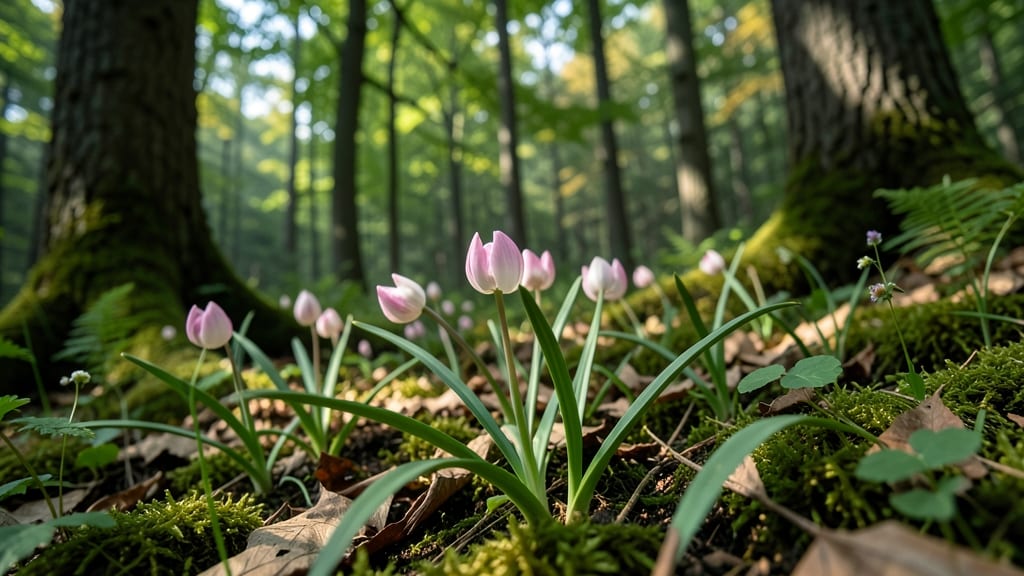
Transform your spring garden into a nonstop floral display with these 10 mixed bulbs that bloom sequentially. Layering techniques create a cascading effect from early crocus to late alliums, ensuring vibrant color from March through June.
Crocus Vernus Early Purple
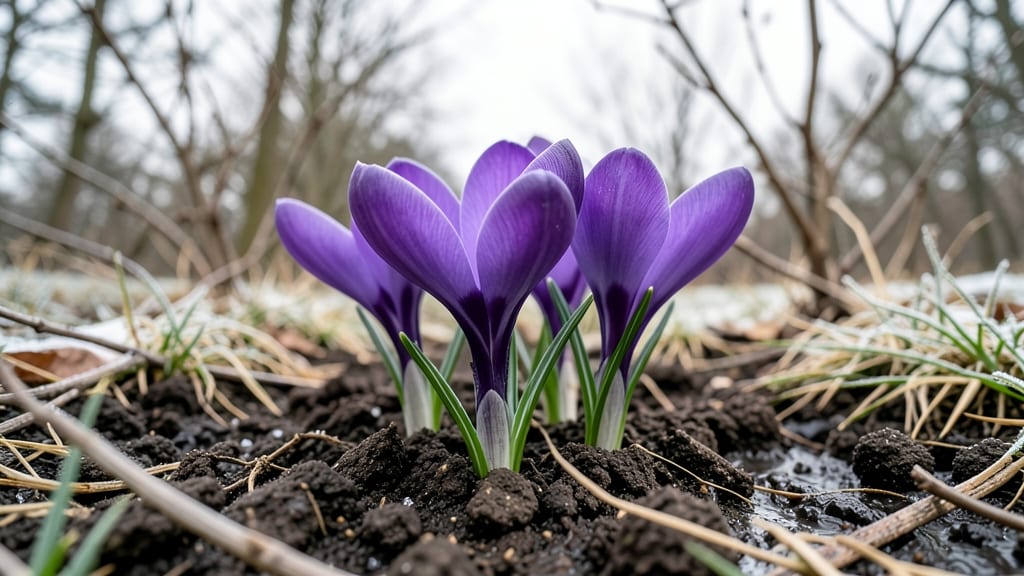
When winter still clings to the landscape, Crocus Vernus Early Purple emerges like a purple promise that spring is coming. These hardy bulbs often bloom as early as February in mild climates, making them the first heralds of color in your garden and perfect for zones 3-8.
Plant them 3-4 inches deep in well-draining soil under deciduous trees or in sunny spots where they'll naturalize beautifully over time. Their drought-tolerant nature means they thrive even in dry shade, making them ideal for spots where other plants struggle. The delicate blooms also attract early pollinators when little else is available.
This is the perfect bulb for gardeners who want instant color with minimal effort—ideal for woodland gardens, urban courtyards, or even between patio stones. Their early bloom creates a stunning contrast against winter-bare branches. 🌱
Snowdrop Galanthus Elwesii
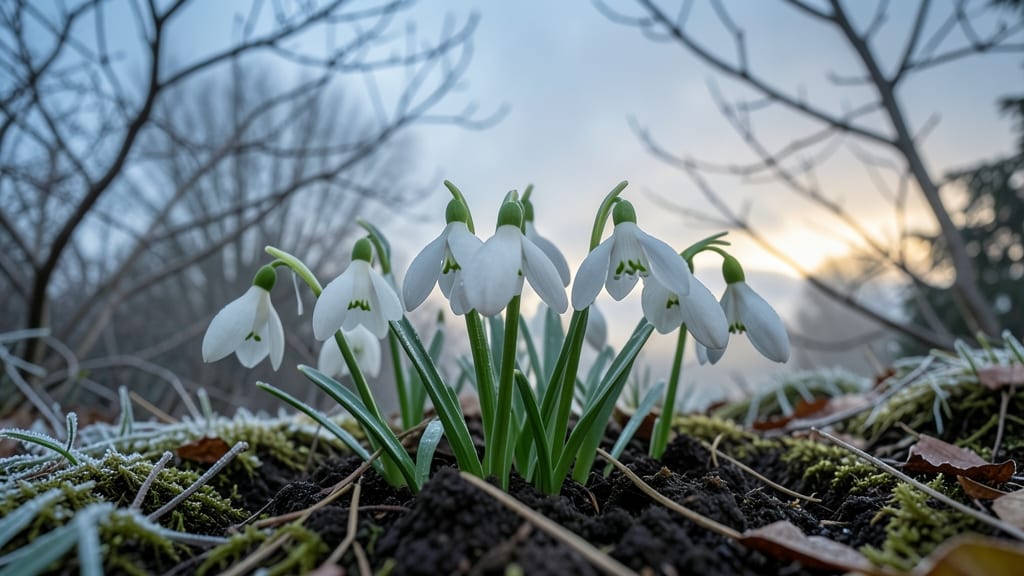
While crocus announces spring’s arrival, snowdrops (Galanthus elwesii) are the unsung heroes of late winter, blooming even when snow still lingers. Their delicate pure white flowers emerge through damp soil as early as January, offering a beacon of hope in the darkest months when most gardens remain dormant.
This hardy perennial thrives in shady woodland gardens or under trees where sunlight is scarce, making it perfect for spots where other bulbs fail. Plant bulbs 3-4 inches deep in well-draining soil, and they’ll naturalize over time, multiplying into lush colonies. Their fragrant blooms also attract early pollinators, giving bees a crucial food source before other flowers appear.
Ideal for beginner gardeners or those with challenging shade spots, snowdrops require almost no maintenance once established. Their year-round interest—even after blooming—comes from their strappy green foliage, which stays attractive until summer. 🌱
Tulipa Darwin Hybrid Red Emperor
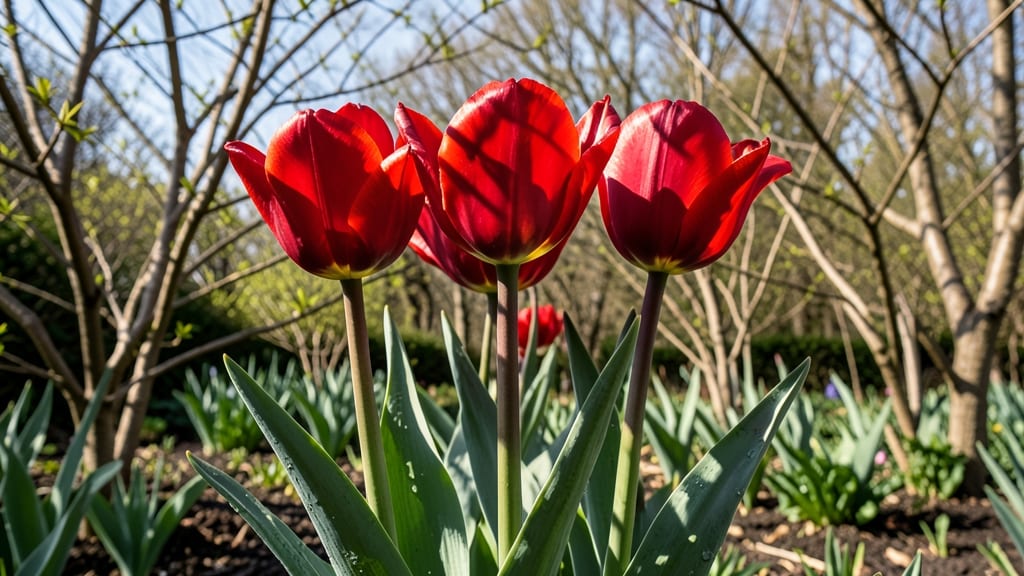
When your spring garden needs a bold statement, the Tulipa Darwin Hybrid 'Red Emperor' delivers with its deep, fiery red blooms that pop against early greenery. Unlike delicate tulips that flop in wind, these sturdy stems stand tall—perfect for cottage-style gardens or fresh-cut arrangements that last weeks indoors.
Plant these mid-season beauties in well-drained soil with full sun to partial shade, and they’ll reward you with 4-6 inch blooms in late April to May. Their wind-resistant stems make them ideal for exposed borders, while their long vase life (up to 10 days) ensures you’ll enjoy their drama both in the garden and on your table.
Gardeners with small spaces or windy climates will love how these tulips bring drama without fuss. Pair them with early bloomers like snowdrops for a sequential spring show that keeps your garden buzzing with color. 🌻
Hyacinthus Orientalis Blue Giant
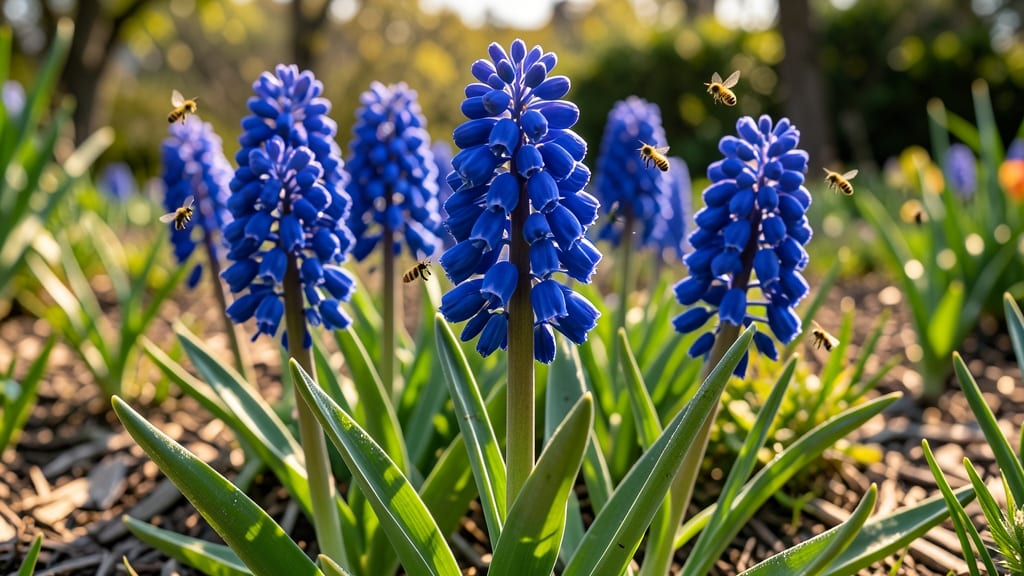
Want to add a fragrant focal point to your spring garden that doubles as a pollinator magnet? The Hyacinthus Orientalis 'Blue Giant' delivers intense blue blooms on sturdy stems that rise dramatically above borders or containers, filling the air with a sweet, intoxicating scent.
Plant these bulbs in well-drained soil with full sun to partial shade, and space them 4-6 inches apart for maximum impact. Their early-to-mid spring blooming (March-April) coincides with the first pollinators emerging, making them a critical food source when little else is available. The scent alone can draw bees and butterflies from across the yard.
Perfect for urban gardeners with limited space, 'Blue Giant' thrives in containers and adds vertical drama without taking up ground room. Pair it with tulips or daffodils for a layered spring display that keeps blooming through May. 🌟
Muscari Armeniacum Grape Hyacinth
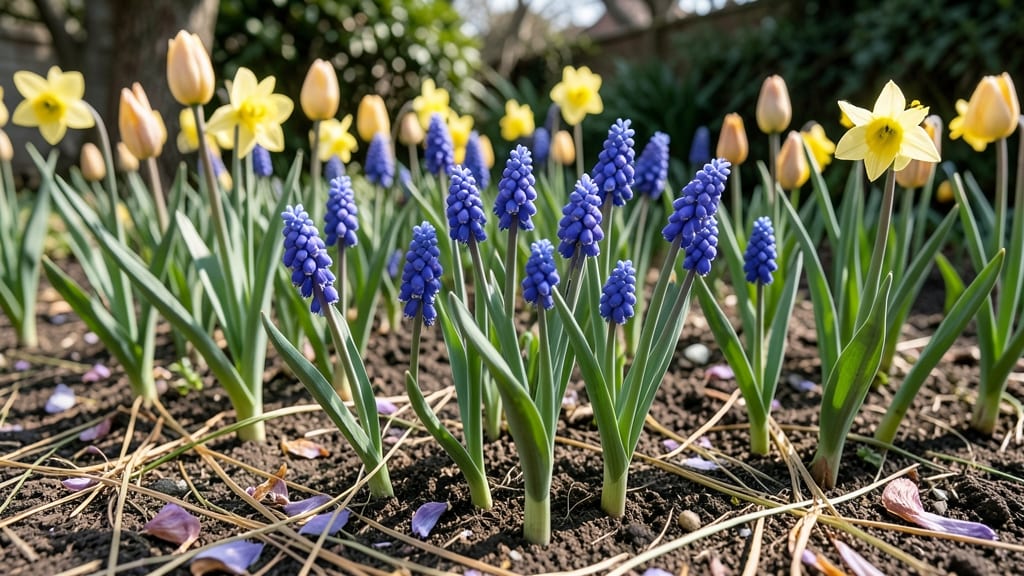
When your tulips and daffodils start to fade, Muscari armeniacum steps in with its striking grape-like blooms. This late-spring performer bridges the gap between early and late bloomers, adding a bold blue-purple contrast that catches the eye.
Plant these drought-tolerant bulbs in clusters among your spring favorites—their slender, arching flower stalks create movement and texture. They thrive in full sun to partial shade and naturalize beautifully over time, making them perfect for borders or meadow-style gardens. The flowers also attract bees and other beneficial insects, giving your garden an early boost of pollinator activity.
Ideal for gardeners who want extended color without extra effort, grape hyacinths are a low-maintenance way to keep your spring display vibrant until summer takes over. 🌻
Allium Purple Sensation
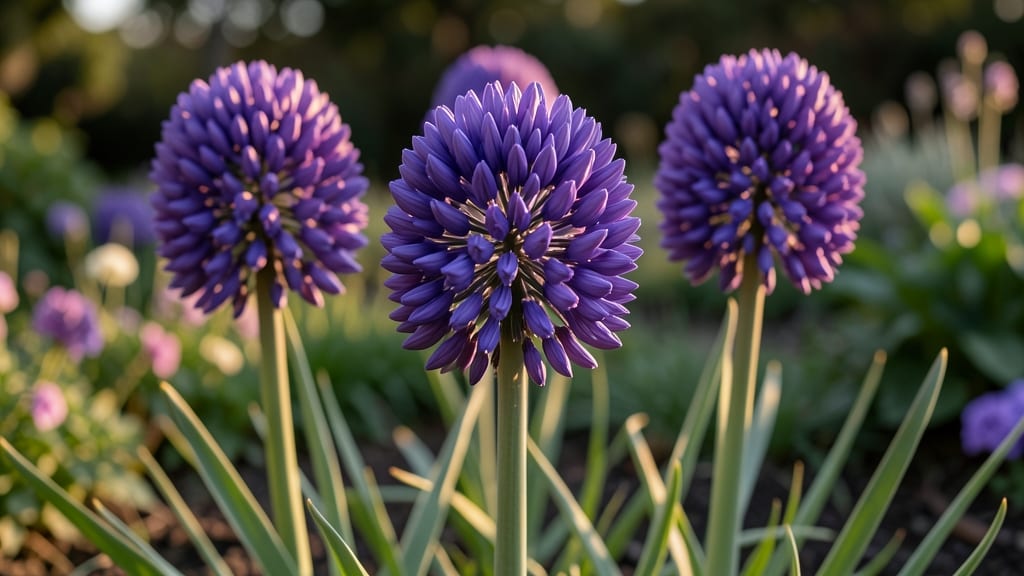
When your spring bulbs start fading but you crave more color, Allium Purple Sensation steps in as your late-season superhero. This dramatic bulb produces globe-shaped purple blooms that rise above the garden like architectural sculptures, turning heads in June when most spring flowers have bowed out.
Plant these bulbs in full sun to partial shade for the boldest blooms, and space them 8-12 inches apart to showcase their 3-4 inch spherical flowers. The real magic happens when you leave the stems intact after blooming—the dried flowers maintain their striking form through winter, perfect for winter arrangements or adding texture to dried flower bouquets.
Urban gardeners with limited space will love how Allium Purple Sensation thrives in containers, while cottage gardeners can use them to anchor mixed borders. Their deer-resistant nature makes them a low-maintenance choice for any garden. 💚
Narcissus Jetfire Orange Daffodil
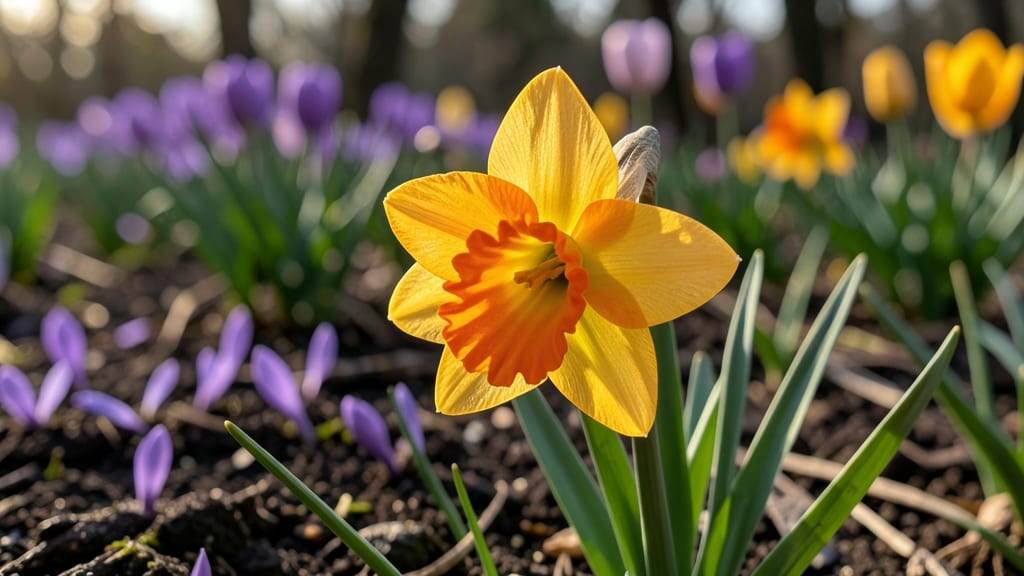
Tired of spring gardens that fade too soon? The Narcissus Jetfire daffodil fills that gap with its vibrant orange trumpet blooms, emerging just as crocus fades and before tulips take center stage. This early-to-mid season stunner thrives in full sun and moist soil, making it the perfect bridge between winter's last blooms and summer's bold displays.
Plant bulbs in fall (6-8 weeks before frost) at 6 inches deep for best results. Their drought-tolerant nature means less fuss once established, while the striking color draws hummingbirds and bees early in the season. The cheerful hue also pairs beautifully with purple alliums or white snowdrops for a high-impact spring border.
Perfect for beginners or busy gardeners, Jetfire daffodils multiply over time, creating naturalized drifts that require minimal care. Their long stems also make them ideal for cutting arrangements. 🌻
Scilla Siberica Blue Starflower
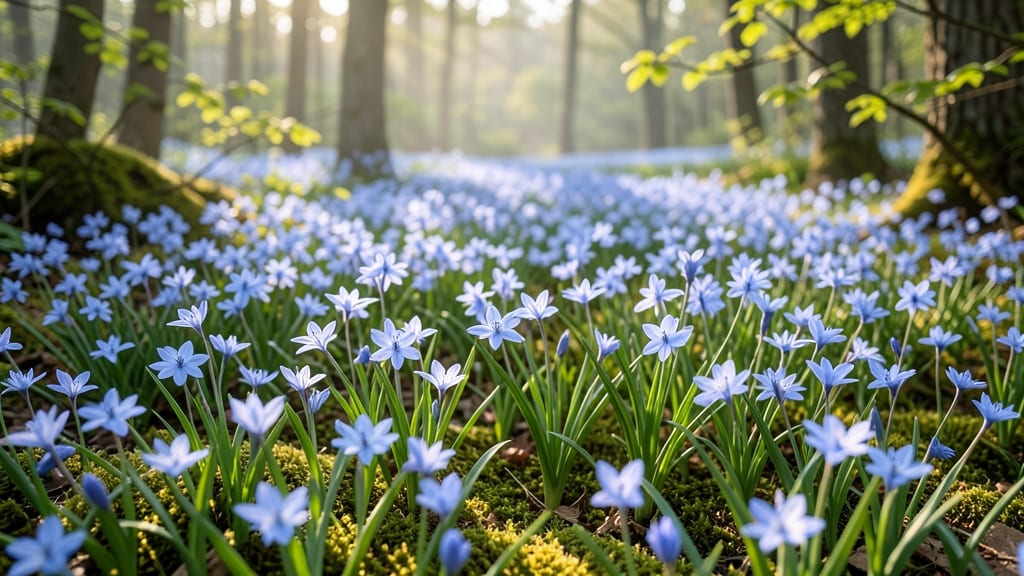
After your hyacinths and grape hyacinths fade, the Scilla Siberica Blue Starflower steps in to extend your spring blue theme with delicate, star-shaped blooms that appear in late spring. These charming bulbs naturalize effortlessly in lawns or woodland gardens, creating a carpet of sky-blue flowers that contrast beautifully with green foliage.
Plant Scilla Siberica in partial to full shade where other bulbs might struggle, and they’ll thrive in almost any soil type. Their 3-4 inch height makes them perfect for underplanting shrubs or mixing with taller perennials. Unlike many spring bulbs, they’re deer-resistant, making them ideal for gardens where wildlife browsing is a concern.
This is the perfect choice for low-maintenance gardeners who want naturalized blue blooms without the fuss. Their late spring emergence (May-June) bridges the gap between early tulips and late alliums, ensuring your garden stays vibrant longer. 🌿
Fritillaria Imperialis Crown Imperial
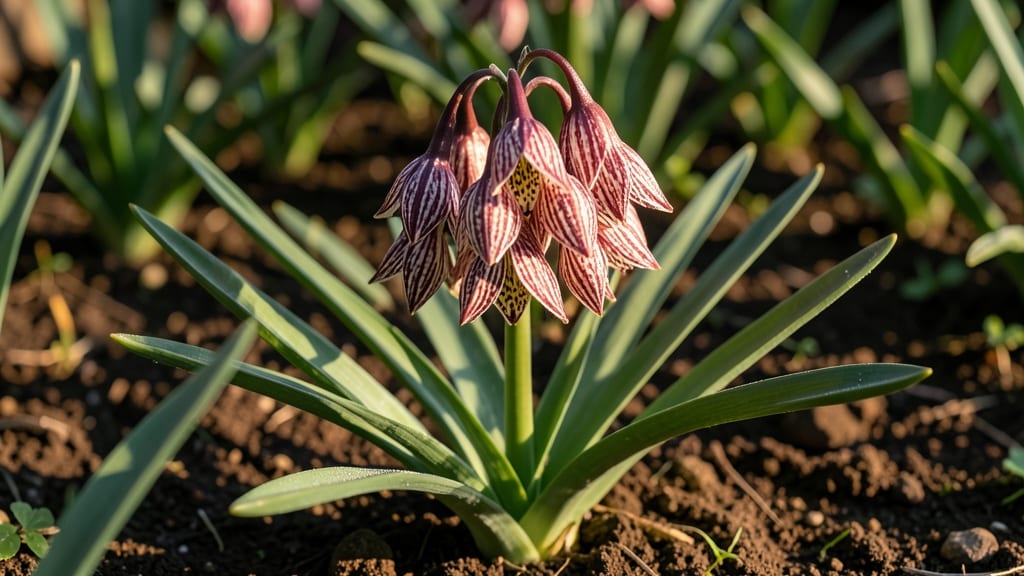
If you're craving a luxurious spring centerpiece that feels like a secret garden treasure, Fritillaria imperialis (Crown Imperial) delivers with its exotic, checkered blooms that resemble a Persian rug. Unlike most spring bulbs, this showstopper thrives in partial shade and well-drained soil, making it perfect for spots where sun-loving plants struggle.
Plant the bulbs 6 inches deep in autumn, spacing them 12-18 inches apart to accommodate their dramatic foliage. The bell-shaped flowers emerge in late spring to early summer (May-June), just as other bulbs begin fading, extending your garden's season. Their fragrant, nodding blooms come in striking red-and-yellow checkered patterns, creating a focal point that feels like a rare find.
This bulb is ideal for gardeners who love dramatic, conversation-starting plants—perfect for cottage gardens, woodland edges, or even container plantings. While it requires slightly more care than other spring bulbs, the payoff is unmatched elegance that elevates any mixed border. ✨
Erythronium Dens-Canis Dog's Tooth Violet

Looking for a spring bulb that feels like a secret woodland treasure? Erythronium dens-canis, or Dog's Tooth Violet, delivers delicate, dog's tooth-shaped blooms in soft pink and white that naturalize effortlessly under trees where sunlight barely reaches. Unlike flashy tulips, these quiet beauties emerge in late winter to early spring, creating a carpet of color before most gardens wake up.
Plant the bulbs 3-4 inches deep in moist, well-draining soil with partial to full shade, and they’ll spread over time, forming lush colonies that suppress weeds naturally. Their late-blooming habit (April-May) extends your spring display long after daffodils fade, while their mottled foliage adds texture even after flowering. This is the perfect bulb for gardeners who love low-maintenance, shade-tolerant plants that thrive where others fail.
Ideal for woodland gardens, native plantings, or understory borders, Dog's Tooth Violet brings a touch of elegance without demanding attention. Pair it with snowdrops or fritillaries for a layered woodland effect that feels wild yet intentional. 🌿