
Planting
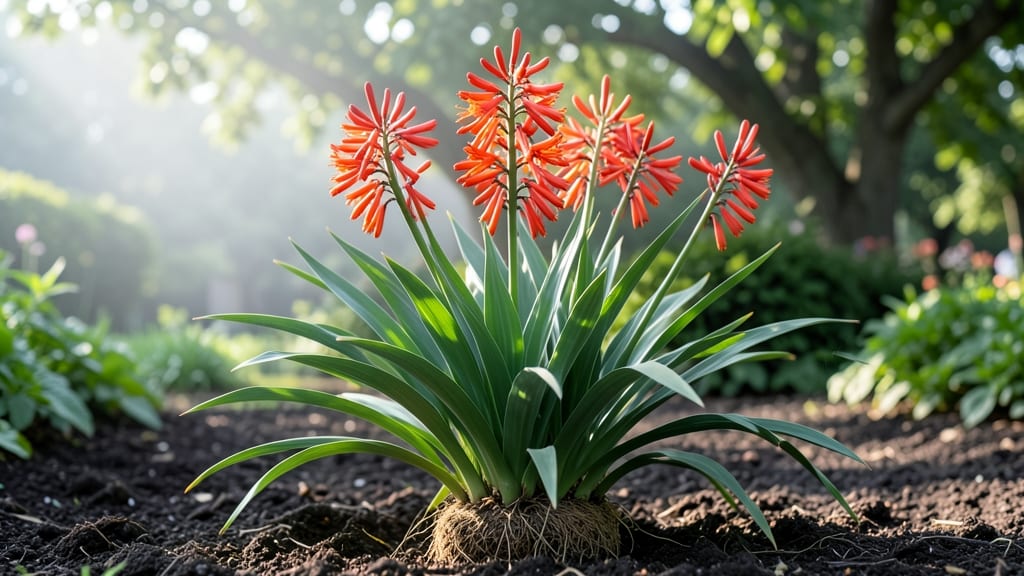
Montbretia Lucifer bulbs bring fiery orange blooms that multiply like wildfire every year. 🌺 I’ve grown them for three seasons now, and they’ve become my go-to for late-summer drama—they spread aggressively but reward you with three-foot-tall spikes of flame-like flowers that hummingbirds adore.
The secret lies in planting them deep enough to survive winter and giving them room to naturalize. These bulbs thrive in full sun to partial shade, making them perfect for borders, cottage gardens, or even container edges.
The soil needs good drainage—amend heavy clay with compost or sand—but otherwise, they’re low-maintenance once established. Water moderately after planting, then let nature take over; they’re drought-tolerant once their roots settle in. By mid-summer, you’ll see those bold orange plumes shooting up, and they’ll keep blooming until frost.
The foliage dies back in winter, but the bulbs stay dormant and return stronger each year. Divide clumps every 3-4 years to control spread and share with neighbors—they’re as generous as they are stunning.
The real magic happens in year two or three, when established plants form dense clusters that suppress weeds and attract pollinators. Just watch for slugs in damp weather and deadhead spent blooms to encourage more flowers. No other plant gives this much drama for so little effort.
📚 In This Guide
- What you need
- Instructions
- Tips and common mistakes
- Wrapping up and next steps
What you need
- ● Montbretia Lucifer bulbs: 3–5 bulbs per planting spot (depending on desired fullness). Choose firm, plump bulbs—avoid any that feel soft or shriveled!
- ● Well-draining soil: Mix in compost or organic matter if your soil is heavy clay. Aim for a pH of 6.0–7.0 for optimal growth.
- ● Garden trowel or bulb planter: A sharp, sturdy tool to dig holes with precision.
- ● Organic mulch (e.g., straw, bark, or wood chips): 2–3 inches to retain moisture and protect bulbs in winter.
- ● Watering can or hose with a gentle spray nozzle: For post-planting hydration without disturbing the soil.
- ● Bulb fertilizer: A slow-release, low-nitrogen formula (e.g., 5-10-10) to boost early growth.
- ● Plant labels: To track varieties if you’re mixing colors or testing new spots.
- ● Garden gloves: To keep hands clean while handling soil and bulbs.
- ● Soil test kit: If you’re unsure about your soil’s pH or nutrient levels.
Step-by-Step guide to planting Montbretia Lucifer bulbs
Here's how to get those fiery orange blooms thriving in your garden—perennial style.
🌱 Step 1: Choose the Perfect Planting Location
Montbretia Lucifer bulbs love full sun—at least 6 hours daily—so pick a spot where they’ll get morning light and afternoon warmth. I always check for at least 6 inches of well-draining soil first, since these bulbs rot easily in soggy conditions. If your soil drains poorly, mix in a 2-inch layer of coarse sand or grit to improve airflow around the roots.
Loosen the soil to 12 inches deep with a garden fork, breaking up any compacted layers. This helps the bulb’s roots spread freely. If you’re planting in clay-heavy soil, consider raising the bed slightly with a mound of amended soil to prevent water pooling.
🌱 Step 2: Plant Bulbs at the Right Depth and Spacing
Dig holes 3 inches deep—about twice the height of the bulb—and space them 6 inches apart in rows. Planting too deep delays blooms, while shallow planting exposes the bulb to temperature swings. Place one bulb per hole with the pointed end facing up (the roots will grow downward naturally).
Cover the bulb with soil and press gently to remove air pockets, but don’t compact it. Water lightly to settle the soil around the bulb. I like to add a 1-inch layer of mulch afterward to retain moisture and regulate soil temperature—just keep it away from the bulb itself to prevent rot.
☀️ Step 3: Water and Fertilize for Strong First Growth
Water the newly planted bulbs deeply right after planting, then keep the soil consistently moist but not soggy until you see new shoots emerge in spring. Overwatering now can cause the bulb to rot before it’s established. Once growth starts, reduce watering slightly—these bulbs are drought-tolerant once rooted.
In early spring, when the first leaves appear, apply a balanced 10-10-10 fertilizer lightly around the base (not directly on the bulb). I use about ½ teaspoon per bulb to encourage strong foliage without burning. Fertilize again after the first flush of blooms fades to promote next year’s flowers.
✂️ Step 4: Deadhead and Mulch for Next Year’s Blooms
After the fiery orange flowers fade, cut back the spent stems to 2 inches above the soil to redirect the plant’s energy into bulb storage for next season. Don’t remove the leaves—they photosynthesize and feed the bulb until they yellow naturally. I always leave them until late fall to ensure the bulb stores enough nutrients.
In late fall, after the first frost blackens the foliage, add a fresh 2-inch layer of mulch around the planting area. This protects the bulbs from freezing temperatures and keeps the soil insulated. In warmer climates, mulch also prevents the soil from drying out too quickly in winter.
⏰ Step 5: Wait and Watch for Year-Round Returns
Montbretia Lucifer bulbs are perennial, meaning they’ll come back bigger and bolder each year with proper care. The first blooms typically appear in late summer to early fall, but they may surprise you with a second round in spring if conditions are right. Watch for new shoots in early spring—that’s your cue to reduce watering and let the plant establish before summer heat arrives.
If you notice fewer blooms over time, divide the clumps every 3-4 years in early spring. Dig up the bulbs, separate the smaller offsets, and replant them in fresh soil. This rejuvenates the plant and keeps the display vibrant. With full sun and good drainage, your Lucifer Montbretia will reward you with those dramatic orange flames for years to come.
Tips & tricks for perfect Montbretia Lucifer plantings
Common pitfalls—and how to sidestep every one—when planting these fiery perennials.
Location is Everything: The 6 hours of daily sun requirement is non-negotiable for those signature orange flames. I've planted mine in morning sun with afternoon shade, and while they survived, the blooms were sparse and pale. For maximum impact, prioritize spots that get intense afternoon sunlight—this is when the bulbs really push out their vibrant color. If your yard lacks full sun, consider container planting where you can move them to sunnier spots during peak hours.
Soil Prep Secret: That 12-inch deep soil loosening in Step 1 isn't just about roots—it's about creating an oxygen-rich environment. I learned this the hard way when my first batch struggled in compacted clay. Use a garden fork to break up the soil vertically, not just horizontally. For heavy clay soils, consider creating raised beds with a mix of native soil and 30% perlite or coarse sand to improve drainage dramatically. The goal is soil that feels like a damp sponge, not mud.
Timing Tip for First Blooms: The late summer to early fall bloom window is when these really shine, but getting them established properly means planning ahead. If you plant in early spring (as recommended), your first blooms might appear the following summer. For immediate color, plant some bulbs in late summer instead—they'll bloom the same season if given proper care. Just be prepared to water more frequently during their first summer to help them establish roots before winter.
Fertilizer Strategy: That ½ teaspoon of 10-10-10 per bulb in Step 3 is perfect for encouraging strong foliage, but timing matters. I've found the best results come from fertilizing right when you see those first spring shoots appear—not before. The bulbs need to wake up naturally before getting a nutrient boost. And here's a pro move: mix your fertilizer with the top inch of soil rather than sprinkling it directly on the bulb to prevent burning.
Pro Tips for Montbretia Lucifer Bulbs
- Common pitfalls—and how to sidestep every one—when planting these fiery perennials.
- Location is Everything: The 6 hours of daily sun requirement is non-negotiable for those signature orange flames.
- Soil Prep Secret: That 12-inch deep soil loosening in Step 1 isn't just about roots—it's about creating an oxygen-rich environment.
Frequently asked questions
Got questions about Montbretia Lucifer bulbs? You’re not alone! Here are answers to the most common ones to help you grow these fiery beauties with confidence.
When is the best time to plant Montbretia Lucifer bulbs?
Plant them in early spring (after the last frost) or fall (6-8 weeks before the first frost). Bulbs thrive in well-draining soil, so avoid soggy spots. In warmer climates, fall planting works best to establish roots before summer heat.
How long does it take for Montbretia Lucifer bulbs to bloom?
With patience, you’ll see vibrant orange flames in late summer to early fall (about 3-4 months after planting). First-year blooms may be modest, but established bulbs reward you with dramatic, repeat performances for years!
Can Montbretia Lucifer survive winter in cold climates?
Yes! These hardy bulbs tolerate USDA Zones 5-10. In colder areas, mulch heavily (3-4 inches) after the ground freezes to protect roots. They’re tough enough to bounce back—just give them a cozy blanket of leaves or straw.
Do Montbretia Lucifer bulbs multiply on their own?
They spread via offsets (baby bulbs) over time. Dig and divide clumps every 3-4 years in early spring to prevent overcrowding. Share extras with fellow gardeners—these bulbs are generous!
Why aren’t my Montbretia Lucifer bulbs blooming?
Check these fixes:
- Too much shade: They need full sun (6+ hours daily). Move to a sunnier spot.
- Poor drainage: Soggy soil suffocates roots. Amend with sand or gravel.
- Young bulbs: First-year blooms may be sparse. Be patient—they’ll shine brighter next season!
Are there drought-tolerant alternatives to Montbretia Lucifer?
If you want low-maintenance, fiery blooms, try:
- Crocosmia (similar care, slightly taller spikes).
- Dietes (hardy, salt-tolerant, and drought-resistant).
- Kniphofia (red-hot pokers—dramatic and long-lasting).
Wrapping up and next steps
Growing Montbretia Lucifer bulbs is like inviting a burst of fiery orange sunshine into your garden—year after year! These hardy, low-maintenance beauties thrive with minimal effort, rewarding you with vibrant blooms that dance in the breeze.
Whether you're a seasoned gardener or just starting out, their resilience and striking color make them a must-have for any sunny spot.
Ready to bring bold color to your landscape? Grab your Lucifer bulbs, pick a sunny patch, and dive in—your garden’s next masterpiece is just a few clicks (or shovel strokes) away! 🌟