
Planting
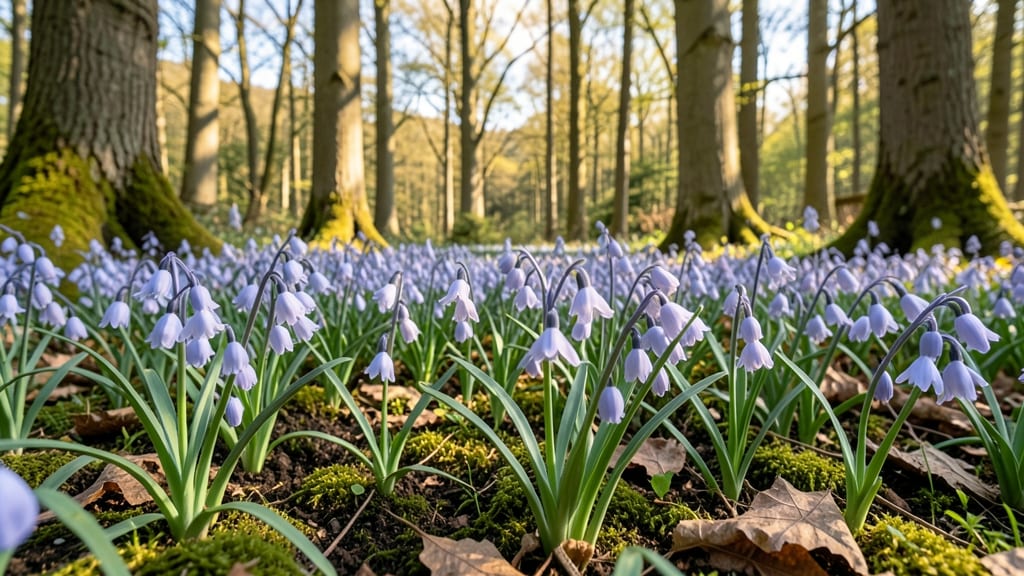
Tired of replanting bulbs every year? These 10 hardy perennials thrive in Zone 6 winters, bloom reliably, and return stronger season after season—no digging required.
Daffodils for Early Spring Color
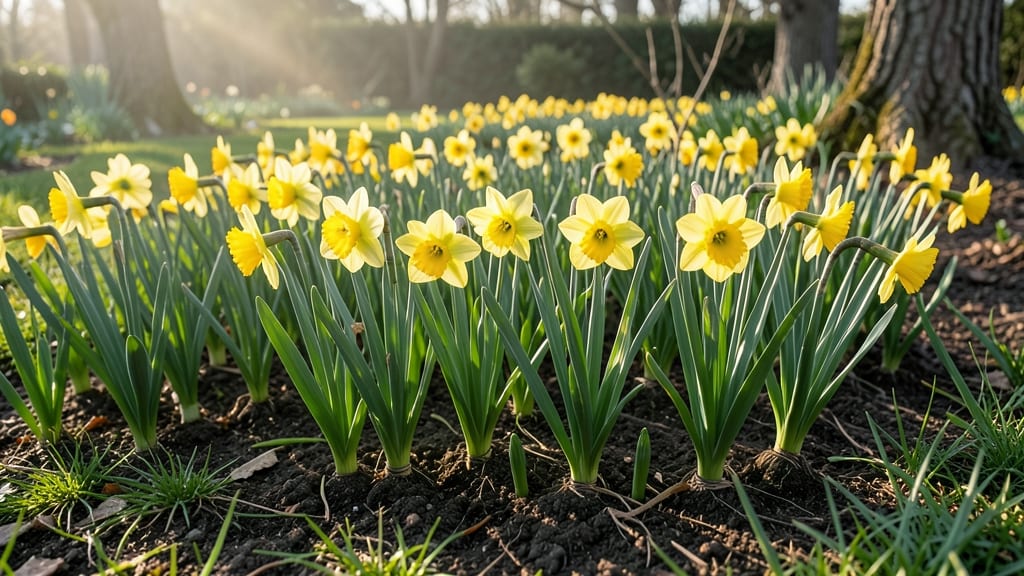
Brighten your Zone 6 garden with daffodils, the ultimate early spring showstoppers that refuse to quit. Unlike many bulbs, these cold-hardy beauties multiply year after year, creating naturalized drifts that spread effortlessly—no replanting required.
Plant them in fall (October-November) at a depth of 6-8 inches in well-draining soil, and they’ll reward you with bold blooms in late winter or early spring. Their deer-resistant nature makes them perfect for rural or suburban gardens, while varieties like 'Tête-à-Tête' and 'Ice Follies' add height and texture. Just leave the foliage until it yellows completely to fuel next year’s growth.
Perfect for beginners and busy gardeners alike, daffodils deliver year-round beauty with almost no effort—just plant, admire, and repeat. 🌱
Tulips That Naturalize Perfectly
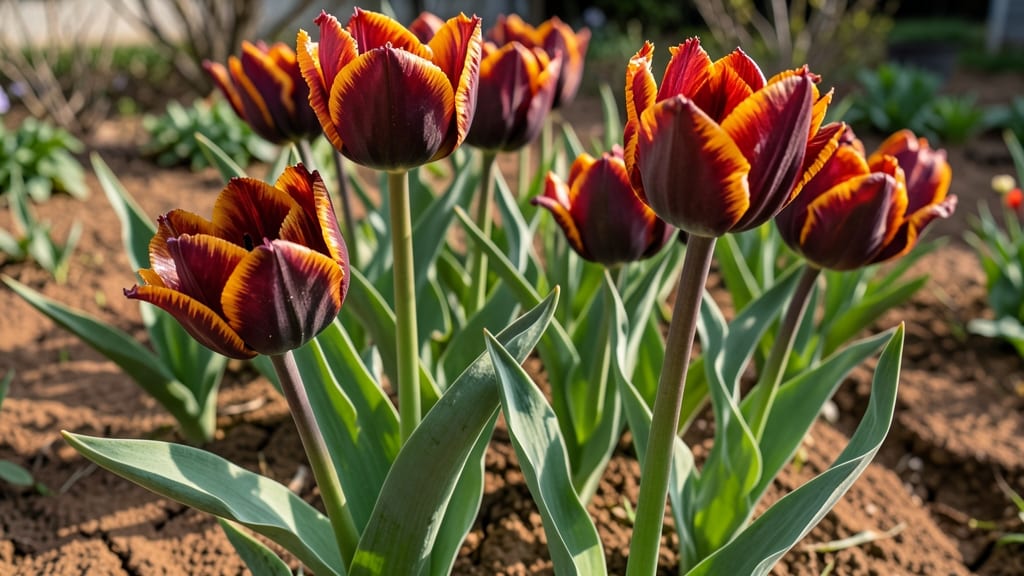
Skip the annual replanting frustration—Darwin Hybrid and Fosteriana tulips multiply reliably in Zone 6, returning year after year with bold blooms that outshine short-lived hybrids. These varieties thrive in full sun and well-drained soil, producing sturdy stems that hold up to late spring winds.
Plant bulbs 6 inches deep in fall, spacing them 4-6 inches apart for optimal naturalization. Their taller stature (20-30 inches) makes them perfect for garden borders or cutting gardens, while their vibrant colors (reds, yellows, and purples) create striking focal points. Unlike their hybrid cousins, these tulips resist deer and squirrels, making them a low-maintenance choice.
Perfect for gardeners who want permanent color without the yearly hassle, these tulips reward patience with expanding clumps that brighten gardens for decades. 🌻
Alliums for Dramatic Height
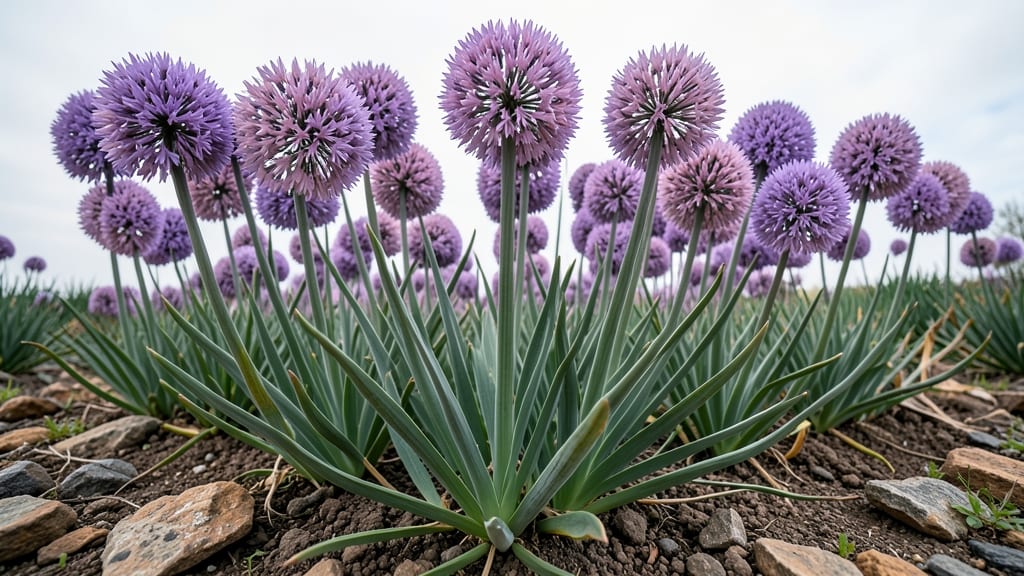
Tired of flat, boring garden beds? Alliums punch through with their globular, globe-shaped blooms that reach heights of 2-4 feet, creating instant vertical drama. These hardy perennials thrive in Zone 6 winters and even tolerate poor, rocky soil where other plants struggle.
Plant bulbs in fall (October-November) at a depth of 6-8 inches in full sun to partial shade. Varieties like 'Globemaster' or 'Purple Sensation' attract bees, butterflies, and hummingbirds while requiring zero special care. Their long stems make them perfect for cutting gardens too.
Perfect for beginners or busy gardeners, alliums add structure to borders with minimal maintenance. 🌟
Crocus for Winter and Spring Interest
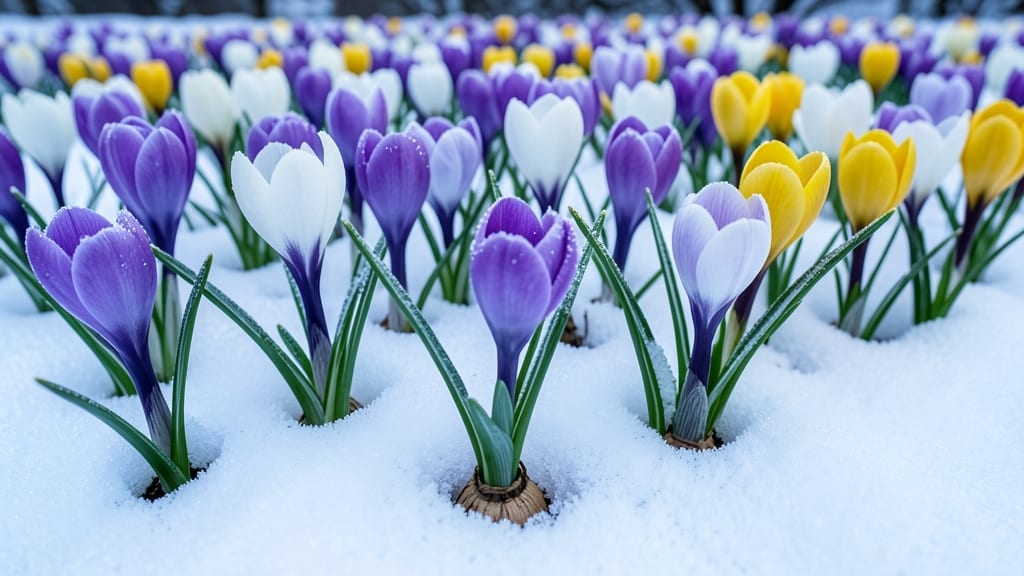
When winter seems endless, crocus bulbs defy the cold by blooming through snow, offering a burst of color that lifts spirits and attracts early pollinators. These hardy perennials thrive in Zone 6 winters and naturalize beautifully, creating vibrant drifts over time.
Plant crocus bulbs 3-4 inches deep in well-draining soil, ideally in fall for winter blooms. Their compact size makes them perfect for rock gardens, under deciduous trees, or along pathways where their cheerful faces can be spotted year after year. Choose varieties like 'Purple Striped' or 'Snow Bunting' for reliable winter and spring color.
Urban gardeners and small-space enthusiasts will love how crocus thrives in containers or tight spots, while pollinator lovers appreciate their role in feeding bees during early spring. 🌱
Hyacinths with Intoxicating Fragrance
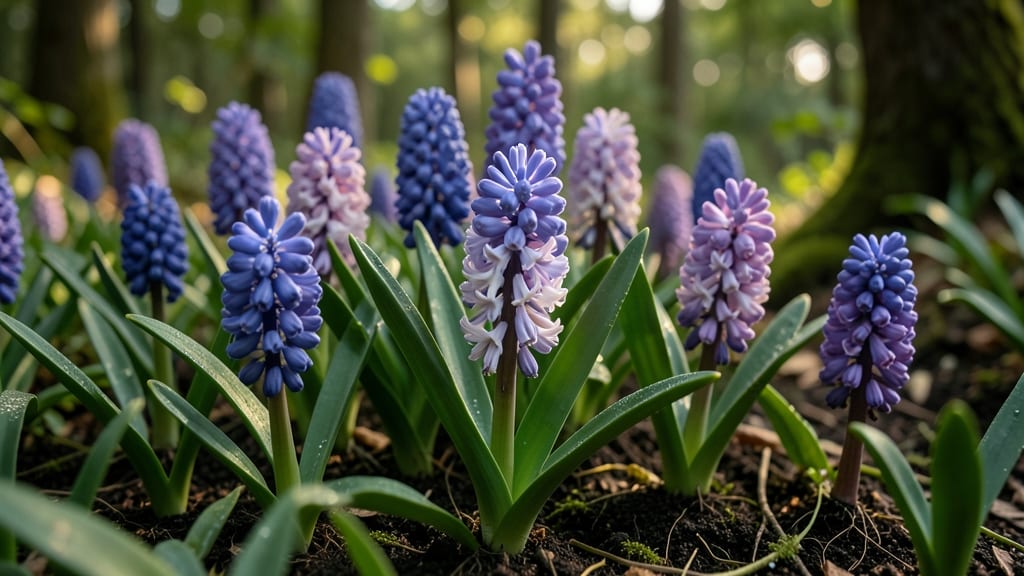
Craving a garden that smells as stunning as it looks? Hyacinths deliver a sensory feast with their intoxicating fragrance—think vanilla, spice, or honeyed sweetness—that lingers in the air for weeks after planting. Unlike sun-loving bulbs, these thrive in partial shade, making them perfect for shady borders, woodland gardens, or even under trees where other flowers struggle.
Plant hyacinth bulbs 6 inches deep in well-draining soil in fall (September-October)** for spring blooms. Their secret weapon? They multiply over time, creating naturalizing clumps that reward patience with bigger, bolder displays each year. For maximum impact, mix varieties like 'Annabel' (deep pink) or 'Blue Jacket' (vibrant blue) for layered color and scent.
Urban gardeners and shade-lovers rejoice—hyacinths bring fragrance and drama with minimal fuss. Just avoid soggy soil, and you’ll enjoy their heady perfume year after year. 🌷
Fritillaria for Unique Checkerboard Blooms
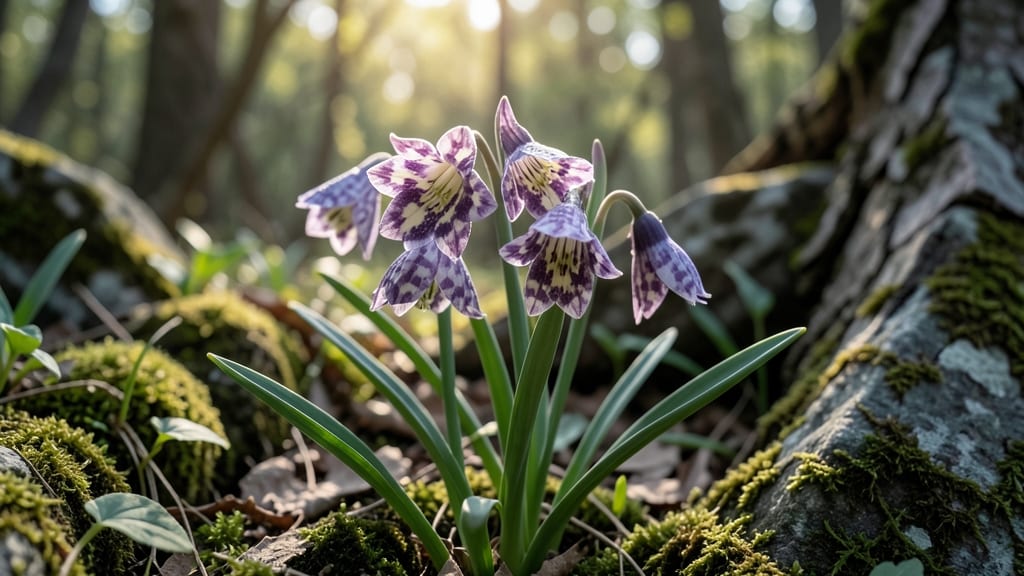
Skip the predictable blooms—snake’s head fritillaria (Fritillaria meleagris) brings a whimsical, checkerboard-patterned twist to woodland gardens. Unlike most bulbs, these delicate bell-shaped flowers emerge in late spring, creating a striking contrast against dappled shade.
Plant them in well-draining soil under deciduous trees or shrubs, where their naturalizing habit thrives. The bulbs are deer-resistant, a rare perk for Zone 6 gardeners, and their unique foliage adds texture even after blooms fade. For best results, tuck them in fall at 4-inch depth—they’ll reward you with years of effortless, conversation-starting blooms.
Perfect for gardeners who love unexpected focal points or want to add drama without high maintenance. 🌟
Muscari for Bee Magnet Clusters
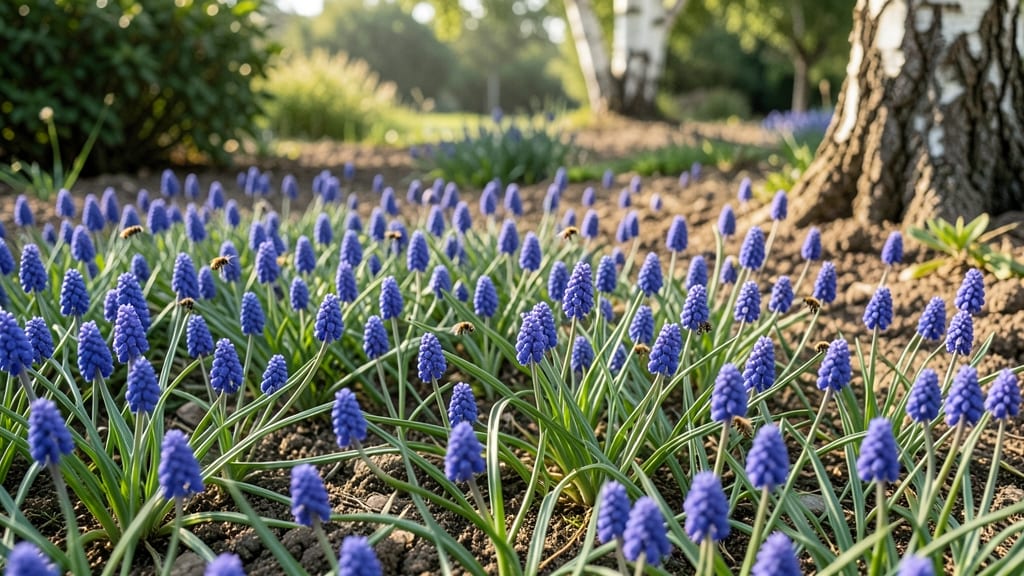
Looking for a pollinator-friendly bulb that spreads like wildfire without the work? Muscari (grape hyacinths) deliver dense, blue-purple clusters that hum with bees while naturalizing effortlessly in just a few years. Unlike finicky bulbs, these thrive in full sun to partial shade and tolerate poor soil—ideal for cottage gardens or containers.
Plant bulbs 6 inches deep in fall, spacing them 4-6 inches apart for maximum effect. Their spring blooms (March–May) fade into grass-like foliage that disappears by summer, leaving no mess. The key to their spread? Minimal care—they self-seed happily where happy, creating low-maintenance drifts over time.
Perfect for beginners or urban gardeners with limited space, muscari turn even small pots into buzzing pollinator hotspots. 🌿
Camassia for Prairie-Style Dramatics
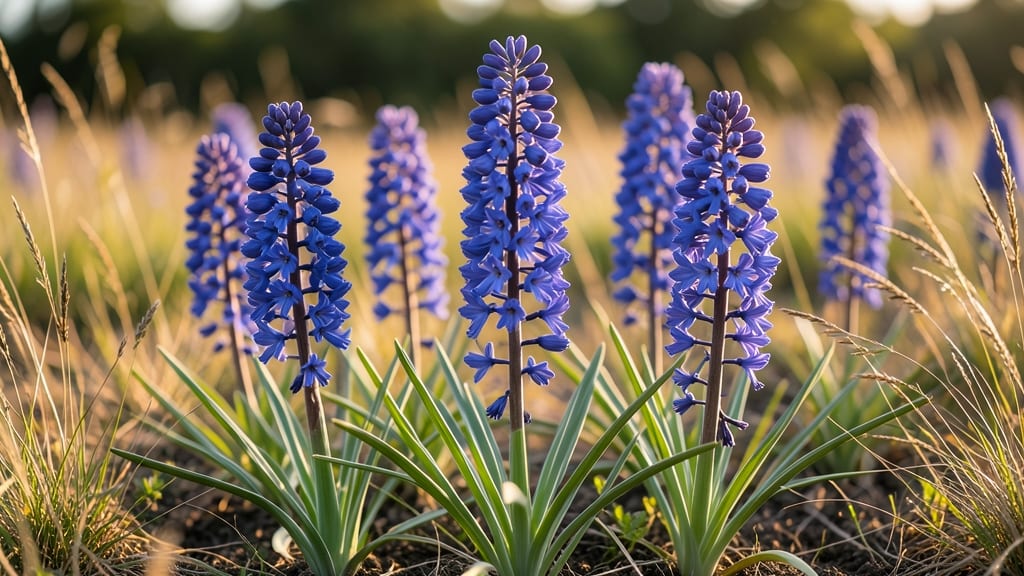
Want to transform your garden into a prairie-style paradise with minimal effort? Camassia (also called wild hyacinth or blue star) delivers dramatic height and bold color while thriving in conditions most bulbs avoid. These towering beauties reach 3-5 feet tall, making them perfect for adding vertical interest to borders or wildflower meadows.
Unlike many bulbs, camassia loves moist soil and even tolerates wet areas, making it ideal for rain gardens or near ponds. Plant bulbs 6 inches deep in fall (Zone 6) for spring blooms in May-June, and enjoy their star-shaped flowers in shades of blue, purple, or white. They’re also deer-resistant, so you won’t have to worry about hungry critters.
Perfect for gardeners who love low-maintenance, high-impact plants, camassia naturalizes over time, creating lush colonies that return year after year. 🌻
Toad Lilies for Late Summer Bloom
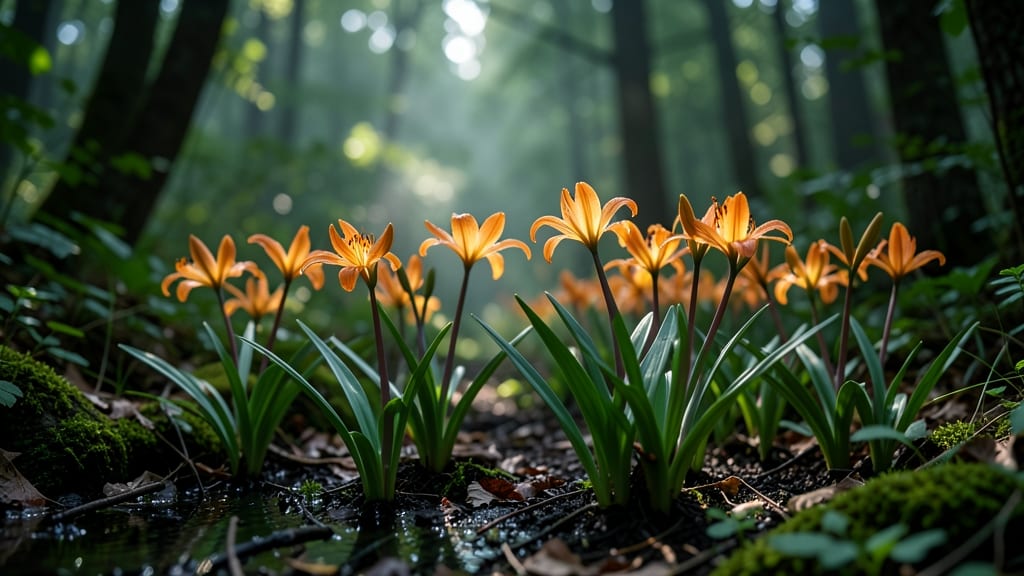
When most spring bulbs fade into summer, toad lilies (Tricyrtis) step in with their bold, late-season drama. These shade-loving gems thrive where others struggle—moist, even boggy soil—and reward you with vibrant orange and yellow blooms that last well into fall.
Plant bulbs in partial to full shade and 6 inches deep, spacing them 6-8 inches apart. Their curved, lily-like flowers attract hummingbirds and add a unique texture to woodland gardens. Unlike many bulbs, toad lilies tolerate Zone 6 winters and naturalize over time, creating a self-sustaining display.
Perfect for gardeners with shady spots or wet soil, these bulbs bring unexpected color when other plants are winding down. 💚
Bluebells for Woodland Charm

If you crave a woodland garden that feels magical without the upkeep, bluebells (Hyacinthoides non-scripta) are your secret weapon. Unlike many bulbs, they thrive in dappled shade and slowly naturalize under trees, creating self-sustaining carpets of blue that bloom in early summer—often before the canopy fully leafs out.
Plant bulbs 3-4 inches deep in well-draining, slightly acidic soil in fall, spacing them 6-8 inches apart for a lush effect. They prefer moist but not soggy conditions, making them ideal for woodland edges or under deciduous trees. Once established, they spread via underground stolons, multiplying over years to form dreamy, low-maintenance drifts that deer and squirrels typically avoid.
Perfect for gardeners who love low-light spaces or want to mimic a wildflower meadow, bluebells pair beautifully with ferns, hellebores, and hostas. Their late spring bloom (May-June) fills gaps left by early spring bulbs like crocus or daffodils. 🌿