
Planting
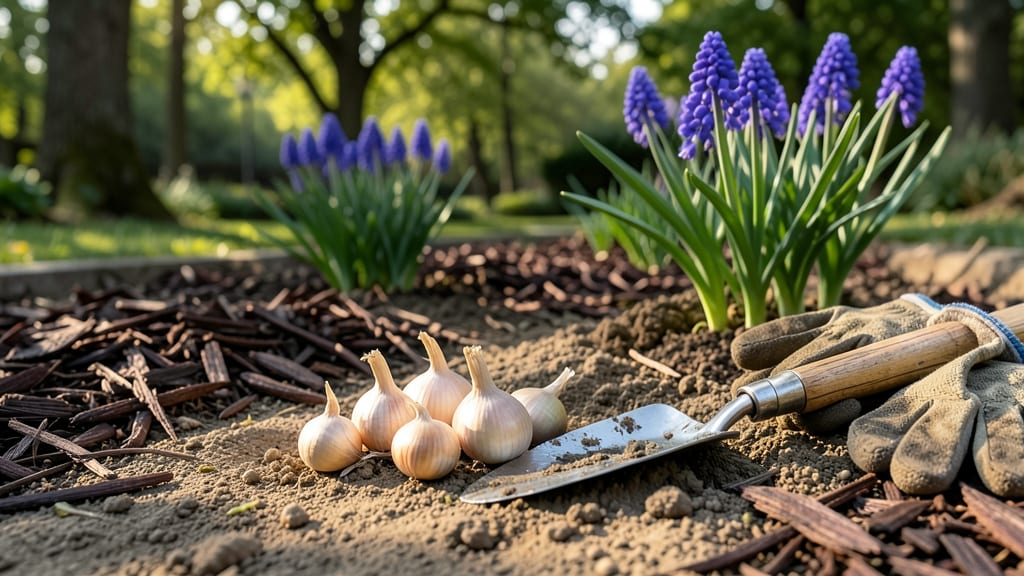
Planting grape hyacinth bulbs 🌸 in fall sets the stage for those cheerful purple blooms next spring — timing matters more than you might think.
Picture this: you plant them too early, and they sprout before winter’s chill sets in, only to rot. Too late, and the bulbs never get enough roots before the ground freezes.
The difference between a vibrant spring display and years of waiting comes down to when you put them in the ground.
Most gardeners in USDA Zone 6a (like me) get it right by planting between September and November, but your exact window depends on your local frost dates and soil temperature.
I’ll walk you through the zone-by-zone breakdown, soil prep tricks, and how to adjust for early or late frosts so your grape hyacinths bloom on schedule.
You’ll also discover the one mistake that keeps bulbs from flowering for two full years — and how to avoid it. Ready to turn your fall planting into next spring’s showstopper?
Best planting months by USDA hardiness zone for grape hyacinth success
Grape hyacinths (Muscari spp.) thrive when planted at the right time, but their ideal window shifts dramatically across USDA hardiness zones 3-9. In colder zones, you'll want to plant 6-8 weeks before ground freezes—typically September-October—while warmer zones can extend planting until November or even December.
The key is ensuring bulbs establish roots before winter dormancy begins.
Soil temperature plays a crucial role: grape hyacinth bulbs need 50-60°F soil to start rooting. In northern climates (zones 3-5), this usually means planting by mid-October to avoid frost damage.
Southern gardeners (zones 7-9) have more flexibility, often planting as late as December, since milder winters allow longer root development periods.
Here’s how your zone determines the perfect planting window, including ideal soil temps and frost-free timing for maximum spring blooms:
| USDA Zone | Best Planting Month | Ideal Soil Temp (°F) | Frost-Free Window | Key Strategy |
|---|---|---|---|---|
| 3-4 | September | 50-55°F | Before Nov 15 | Early planting essential; use mulch |
| 5-6 | September-October | 55-60°F | Before Nov 30 | Avoid late October planting |
| 7-8 | October-November | 60-65°F | Before Dec 15 | Can plant through December |
| 9 | November-December | 65-70°F | Year-round possible | Plant after first frost |
In northern zones (3-5), I recommend planting grape hyacinths in early September to give bulbs time to root before winter. Use 3-4 inches of mulch after planting to protect them from freezing temperatures.
If you wait until October, bulbs may not establish enough roots before the ground freezes, leading to poor spring blooms or no flowers at all.
For mid-range zones (6-8), the sweet spot is late September to early November. This window ensures bulbs get 6-8 weeks of root growth before winter dormancy.
In zone 6, for example, planting in mid-October works well, while zone 8 gardeners can extend planting until early December without risking frost damage.
Southern gardeners in zone 9 have the most flexibility, often planting grape hyacinths as late as December. The key here is soil temperature: aim for 65-70°F to prevent rot. If you plant in late fall, water lightly until rains return in spring to prevent bulb dehydration during dry spells.
One common mistake I see is planting grape hyacinths too early in warm climates. In zones 7-9, bulbs planted in August may sprout prematurely and get damaged by summer heat.
Always wait until soil temperatures drop below 75°F before planting. Conversely, in cold zones, planting too late (after October 15) risks bulbs freezing before rooting.
To maximize spring blooms, I always test soil moisture before planting. Grape hyacinths need well-draining soil—amend heavy clay with compost or sand to prevent rot. After planting, mark their location since their foliage dies back after flowering, making them easy to forget until next year.
How to time grape hyacinth planting for maximum spring blooms
Timing your grape hyacinth planting is the secret to those vibrant purple blooms appearing reliably each spring. These hardy bulbs need time to establish roots before winter, but planting too early or late can delay flowering for 1-2 years.
The key lies in understanding your local microclimate and soil conditions.
Most gardeners plant grape hyacinths in fall (September-November), but the exact timing depends on your USDA hardiness zone and whether your winters are mild or harsh.
In colder zones (3-5), aim for early fall planting—6-8 weeks before the ground freezes. Warmer zones (7-9) can plant until late fall, even into December.
Here’s how to get it right based on your growing conditions:
- 1 Check soil temperature: Plant when soil is 50-60°F—cooler than air but not frozen. Use a soil thermometer for accuracy.
- 2 Adjust for microclimates: Sheltered spots (like south-facing beds) warm up faster—plant 2-3 weeks later than exposed areas.
- 3 Soil prep matters: Amend clay-heavy soil with compost to improve drainage. Grape hyacinths hate soggy roots—test drainage by digging a hole and filling it with water.
- 4 Post-planting care: Water deeply after planting, then mulch with 2-3 inches of straw or leaves to insulate bulbs. Avoid fertilizing until spring growth appears.
Even with perfect timing, grape hyacinths need consistent moisture during their first growing season. After planting, water weekly until frost to encourage root development. In drought-prone areas, mulch helps retain soil moisture and regulates temperature.
If you’re in a warmer zone (8-9), you can also plant grape hyacinths in late winter (February-March) for spring blooms. Just ensure the soil isn’t too hot—wait until temperatures drop below 70°F to prevent bulb stress. This method works well for container gardening too!
With the right timing and care, your grape hyacinths will reward you with dense clusters of flowers in just 3-4 months. The secret? Pay attention to your local cues—soil temperature, frost dates, and microclimates—rather than relying on a one-size-fits-all calendar. 🌸