
Planting
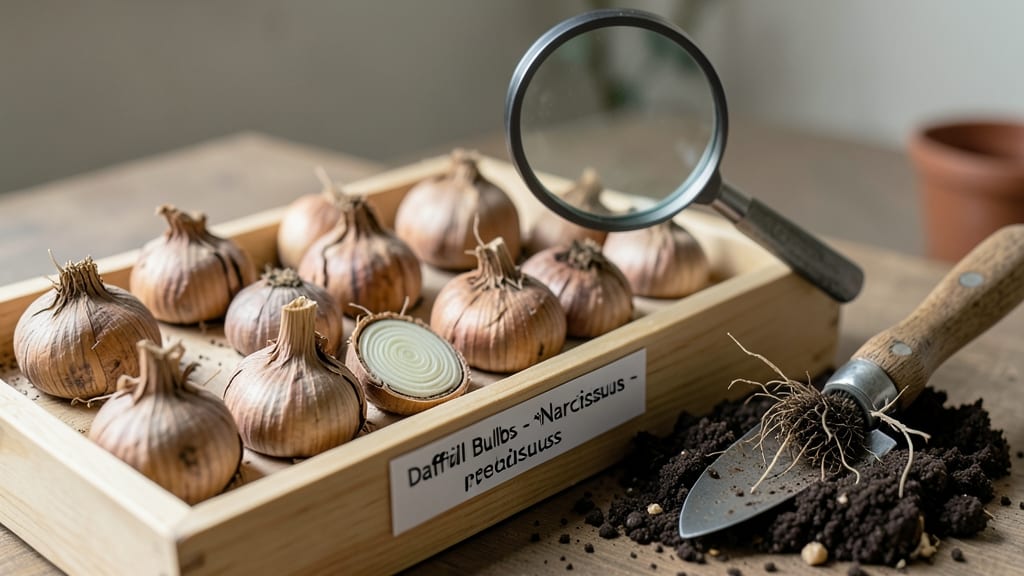
Growing non-flowering bulbs that never bloom means fresh harvests all year—no flowers, no fuss. 🌱 I’ve filled my garden with onions, garlic, and shallots that produce harvest after harvest without ever sending up a single bloom, and the secret is all in the timing and care.
These bulbs thrive in cooler seasons, storing energy underground instead of shooting up into flowers. Plant them in well-draining soil with full sun, and they’ll reward you with bold green tops for cooking or plump bulbs for storage. No fancy tricks—just consistent watering and a little patience.
By late fall, you’ll have enough to freeze, dry, or braid into garlic braids. The foliage stays lush and useful long after flowering bulbs have faded. Perfect for gardeners who want functional plants that keep giving without the showy displays.
Works in containers, raised beds, or in-ground plots—just adapt spacing for your space. Let’s dig in!
Why Your Bulbs Skip Blooms
If you’ve planted bulbs expecting a spectacular spring display but ended up with nothing but green leaves, you’re not alone. Non-flowering bulbs are a common frustration for gardeners, but understanding the root causes can help you fix the problem—and even turn those leafy stalks into productive harvests.
Below, we break down the science behind why bulbs sometimes refuse to bloom, along with actionable solutions to encourage future growth (and maybe even edible rewards!).
Bulbs like tulips, daffodils, and hyacinths rely on a process called vernalization—a cold period followed by bright light—to trigger flowering. If they don’t get enough sunlight (6–8 hours of direct sun daily), they’ll focus energy on leaf growth instead of blooms.
- Why it happens: Many gardeners plant bulbs in shady spots (e.g., under trees or near tall perennials), depriving them of the light needed to signal flowering hormones.
- Actionable fix:
- Move bulbs to sunnier locations before planting (test spots with a light meter if unsure).
- For container growers, place pots in the brightest spot on your patio or balcony.
- Thin out competing plants to reduce shade competition.
- Pro tip: 💡 If your yard is perpetually shady, opt for light-loving bulb varieties like Alliums or Fritillaria, which tolerate partial shade better.
Most spring-blooming bulbs need a cool dormancy period (4–16 weeks below 40°F/4°C) to break dormancy. Without adequate chilling, they’ll sprout leaves but skip flowering—like a hibernating bear waking up too early without proper rest.
- Why it happens:
- Mild winters or early planting in warm climates (e.g., Zone 8+).
- Storing bulbs in a garage or basement that’s too warm (ideal: 35–45°F/2–7°C).
- Forcing bulbs indoors without pre-chilling (e.g., paperwhite narcissus in a vase).
- Actionable fix:
- Plant bulbs in fall (6–8 weeks before first frost) to ensure natural chilling.
- For warm climates, pre-chill bulbs in a fridge (uncooked) for 8–12 weeks before planting.
- Use vernalization trays or a cold frame to mimic winter conditions.
- Pro tip: ✨ Snowdrops (Galanthus) and crocuses are exceptions—they bloom early and tolerate minimal chilling, making them great for mild-winter zones.
Bulbs store energy in their scaly tunics, and excess moisture can cause rot or dilute nutrients, stunting bloom production. Meanwhile, soggy soil suffocates roots, preventing the bulb from sending up flowers.
- Why it happens:
- Planting in clay-heavy or compacted soil without amendments.
- Overzealous watering (bulbs need moderate moisture, not soggy conditions).
- Using containers without drainage holes (e.g., decorative pots).
- Actionable fix:
- Amend soil with compost or perlite to improve drainage.
- Water deeply but infrequently—aim for 1 inch per week (less in winter).
- Plant bulbs in raised beds or containers with drainage holes.
- Pro tip: 🌡️ Test your soil’s drainage: Dig a 12-inch hole, fill it with water, and time how long it takes to drain. If it’s slower than 4 hours, amend the soil.
Bulbs are self-sufficient and don’t need heavy feeding, but too much nitrogen (or the wrong nutrients) can lead to lush foliage at the expense of blooms. Think of it like a bodybuilder who skips leg day—all chest, no balance!
- Why it happens:
- Using high-nitrogen fertilizers (e.g., lawn fertilizers) post-bloom.
- Over-fertilizing after leaves yellow (bulbs need to photosynthesize to store energy for next year).
- Soil deficiencies in phosphorus or potassium, which support flowering.
- Actionable fix:
- Avoid fertilizing after mid-summer—let foliage die back naturally.
- Use a balanced bulb fertilizer (5-10-10 or 10-10-10) only at planting time.
- Add bone meal or compost to the soil before planting for phosphorus.
- Pro tip: 🎯 For edible bulbs like garlic or onions, a light application of potassium-rich fertilizer (e.g., greensand) can boost bulb size and flowering.
Bulb-specific pests like squirrels, voles, or bulb mites can chew through tunics, while fungal diseases (e.g., Botrytis) rot bulbs before they bloom. Even aphids on leaves can sap energy needed for flowers.
- Why it happens:
- Planting bulbs in high-traffic areas where animals dig them up.
- Storing bulbs in damp conditions (encouraging mold).
- Ignoring leaf-eating pests (e.g., slugs, deer).
- Actionable fix:
- Protect bulbs with chicken wire cages or plant in raised beds to deter digging.
- Store bulbs in a cool, dry, well-ventilated place (e.g., mesh bags in a shed).
- Apply neem oil or diatomaceous earth to deter pests on foliage.
- Pro tip: 🔥 Plant bulb companions like alliums or marigolds to repel pests naturally.
Timing is everything for bulbs. Plant too early, and they’ll sprout and freeze. Plant too late, and they won’t establish
Revitalize Your Non-Blooming Bulbs
If your bulbs aren’t flowering, don’t toss them just yet! With the right adjustments, you can coax them back to life—and even enjoy their foliage or edible harvests instead. Below, we’ll tackle the most common reasons behind non-flowering bulbs and provide practical, step-by-step solutions to get them thriving again.
Prevention tips are included to keep future seasons blooming (or at least productive!).
Bulbs need well-draining, nutrient-rich soil to store energy for flowering. If the soil is compacted, depleted, or lacks organic matter, your bulbs may skip blooms entirely.
🔥 Fix It:
- 🍳 Test Your Soil
- Grab a soil test kit (or send a sample to your local extension office) to check pH and nutrient levels. Most bulbs prefer a neutral to slightly acidic soil (pH 6.0–7.0).
- Quick fix: If pH is off, amend with sulfur (to lower pH) or lime (to raise it).
- 👨🍳 Boost Organic Matter
- Mix in 3–4 inches of compost or well-rotted manure into the top 12 inches of soil before planting.
- For heavy clay soils, add perlite or coarse sand to improve drainage.
- 🥘 Fertilize Strategically
- Use a balanced, slow-release fertilizer (like 10-10-10) at planting time.
- For flowering bulbs, switch to a phosphorus-heavy formula (e.g., 5-10-5) in early spring to encourage blooms.
- Pro tip: Avoid high-nitrogen fertilizers (like lawn food) after planting—this promotes foliage over flowers!
💡 Prevention Tips:
- Mulch annually with 2–3 inches of organic mulch (straw, shredded leaves) to retain moisture and nutrients.
- Rotate crops if growing edible bulbs (like garlic or onions) to prevent soil depletion.
- Avoid over-fertilizing—too much nitrogen can lead to lush leaves but no flowers.
Many bulbs (especially daffodils, tulips, and alliums) need full sun (6+ hours daily) to trigger flowering. Shady spots can leave them dormant or foliage-only.
🔥 Fix It:
- 🍳 Assess Light Conditions
- Observe your garden: Are bulbs planted under trees, near fences, or in low-light areas?
- Quick fix: Move potted bulbs to sunnier spots or transplant them in spring.
- 👨🍳 Choose Shade-Tolerant Varieties
- Swap sun-loving bulbs for shade-friendly options like:
- Snowdrops (Galanthus)
- Crocuses (early spring bloomers)
- True lilies (some varieties tolerate partial shade)
- Swap sun-loving bulbs for shade-friendly options like:
- 🥘 Use Reflective Surfaces
- Place mirror panels, white gravel, or light-colored mulch near shaded bulbs to bounce extra sunlight their way.
💡 Prevention Tips:
- Plant bulbs in the sunniest spot available, even if it means relocating them in fall.
- Prune overhanging branches to increase light exposure.
- Consider raised beds for better drainage and sunlight penetration.
Bulbs rot if they sit in soggy soil. Overwatering or clay-heavy soil can suffocate roots, preventing energy storage for flowers.
🔥 Fix It:
- 🍳 Check Drainage
- Dig a hole where your bulbs are planted, fill it with water, and time how long it takes to drain. If it’s still wet after 4–6 hours, drainage is poor.
- Quick fix: Amend soil with compost + perlite or plant bulbs in raised beds.
- 👨🍳 Adjust Watering Habits
- Water deeply but infrequently—bulbs need moisture but hate "wet feet."
- Reduce watering as blooming season approaches (overhead water can cause fungal issues).
- Use drip irrigation to deliver water directly to roots without wetting foliage.
- 🥘 Improve Soil Structure
- For clay soil, mix in coarse sand or grit to create air pockets.
- Add vermiculite or coconut coir to retain moisture without suffocating roots.
💡 Prevention Tips:
- Plant bulbs at the correct depth—typically 2–3 times their height (e.g., a 2-inch bulb goes 4–6 inches deep).
- Avoid planting in low spots where water pools after rain.
- Use containers with drainage holes for bulbs like hyacinths or paperwhites.
Bulbs need chilling periods (cold stratification) to bloom. Planting too early or too late can disrupt their natural cycle.
🔥 Fix It:
- 🍳 Know Your Bulb’s Timeline
- Fall-planted bulbs (tulips, daffodils, crocuses) need 6–8 weeks of cool weather before the ground freezes.
- Spring-planted bulbs (like rain lilies) should go in after the last frost when soil is warm.
- 👨🍳 Adjust Planting Schedule
- If you missed the fall window, store bulbs in the fridge (35–40°F) in a paper bag until you can plant in early winter.
- For spring bulbs, plant as soon as soil is workable (usually March–April in most climates).
- 🥘 Simulate Chilling Indoors
- Place potted bulbs in a garage or unheated basement for 8–10 weeks before moving them outside in spring.
💡 Prevention Tips:
- Mark your calendar for fall planting (typically 6–8 weeks before first frost).
- Use a bulb chiller if your climate doesn’t provide enough natural cold.
- Group bulbs by type—some (like snowdrops) bloom early, while others (like tulips) need a longer chill.
Squirrels, deer, slugs, and fungal diseases can weaken bulbs, preventing them from storing enough energy to flower.
🔥 Fix It:
- 🍳 Identify the Culprit
- Missing bulbs? → Squirrels, chipmunks, or voles.
- Chewed leaves? → Deer or rabbits.
- Mushy, discolored bulbs? → Fungal rot (like Fusarium or Botrytis).
- 👨🍳 Apply Targeted Solutions
- For rodents: Use chicken wire cages over bulbs or apply hot pepper spray as a deterrent.
- For slugs/snails: Set up beer traps or use iron phosphate bait.
- For deer: Install fencing (8+ feet tall) or plant deer-resistant bulbs like daffodils (toxic to deer).
- 🥘 Treat Fungal Issues
- Remove infected bulbs and foliage immediately.
- Apply copper fungicide or neem oil preventatively in early spring.
💡 Prevention Tips:
- Plant bulbs deeply (12+ inches) to deter digging pests.
- Choose pest-resistant varieties (e.g., Tulipa clusiana for squirrel-proof tulips).
- Rotate planting locations every few years to break disease cycles.
With these fixes, your "non-flowering" bulbs can still deliver lush foliage, edible harvests, or even surprise blooms next season. Start with one or two adjustments this fall, and watch your garden transform! 🌿✨
Frequently asked questions
What are the best non-flowering bulbs for beginners?
Start with garlic, onions, and shallots—they're the easiest non-flowering bulbs to grow! These hardy varieties thrive in most climates, require minimal care, and produce edible harvests year after year. Plant them in well-draining soil with full sun, and they'll reward you with plump bulbs for cooking.
Can I grow non-flowering bulbs in containers?
Many non-flowering bulbs like spring onions, chives, and garlic grow beautifully in containers. Use pots at least 6 inches deep with drainage holes, and place them in a sunny spot. Just ensure they get enough water—containers dry out faster than garden beds.
How do I harvest non-flowering bulbs without damaging future growth?
Wait until the foliage turns yellow and starts to wither—this signals the bulb has stored enough energy. Gently loosen the soil around the bulb, then lift it carefully. For garlic and onions, leave the roots attached to prevent regrowth. Cure harvested bulbs in a dry, shaded spot for 1-2 weeks before storing.
Why do my non-flowering bulbs keep producing small harvests?
Small harvests often mean the bulbs aren't getting enough nutrients or sunlight. Boost growth by amending the soil with compost and ensuring they receive 6+ hours of direct sun daily. Also, avoid overcrowding—space bulbs 4-6 inches apart for better development.
Are there ornamental non-flowering bulbs for decorative foliage?
Yes! Try Dahlia tubers or Elephant ear tubers for striking, non-flowering foliage. These produce bold, decorative leaves perfect for containers or garden borders. Plant them in well-draining soil with partial shade, and enjoy their dramatic appearance all season long.