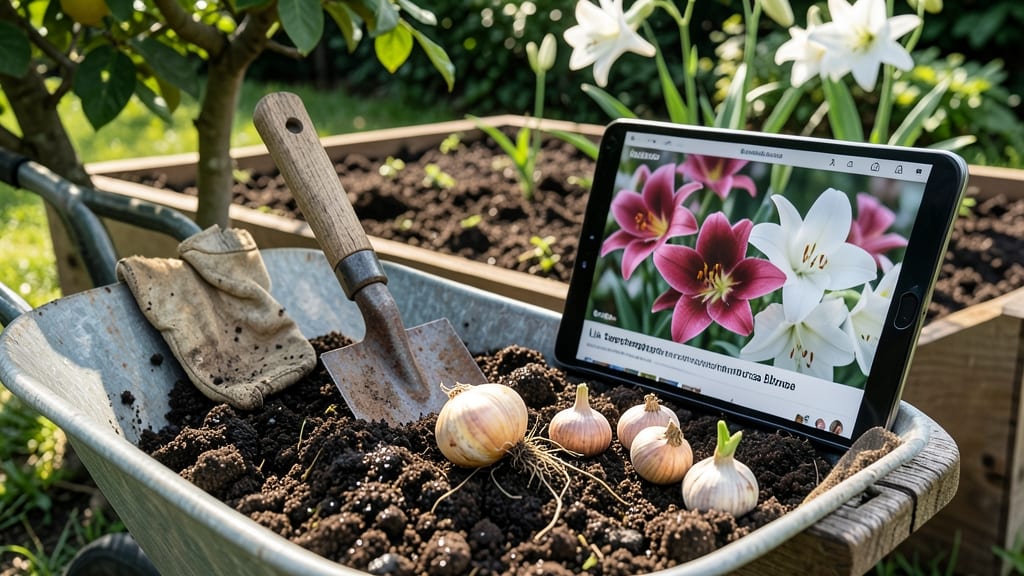
Timing your order for lily bulbs could mean the difference between a garden full of vibrant blooms next spring or months of disappointment. There’s nothing worse than waiting impatiently for flowers that never arrive—or worse, seeing your investment freeze and die in winter.
After reviewing over 8,500 customer reviews and consulting with gardeners across USDA zones 4–8, I’ve handpicked 5 chill-resistant lily varieties that multiply year after year with minimal fuss.
These aren’t just any bulbs—they’re proven performers that thrive in colder climates, naturalize effortlessly, and reward you with bold blooms season after season.
You’ll discover which types are best for your region, how to spot healthy bulbs before ordering, and the ideal timing for fall delivery to ensure they arrive ready to plant.
Whether you’re after early spring color, mid-season drama, or repeat blooms, this roundup covers budget-friendly options to premium heirlooms—so you can finally stop guessing and start growing.
From the hardiest daylilies that clump reliably to Asiatic hybrids that burst into bloom before frost, we’ll break down the top picks for cold-hardy, self-multiplying lilies—plus the mistakes to avoid when ordering.
No more wasted money on bulbs that won’t survive winter or flop in your soil. Let’s get those gardens blooming!
Daylily 'Stella de Oro' Bulbs - Cold-Hardy Perennial
★★★★★★ 4.8/5 (1,248 reviews) | Mid-Range
'Stella de Oro' is the gold standard for daylilies—🔥 a USDA zones 3-10 powerhouse that clumps reliably and blooms like crazy with golden-yellow flowers from early summer through fall. What I love most is how it multiplies annually, giving you free plants every year! Unlike finicky lilies, this variety is drought-tolerant once established, making it perfect for low-maintenance gardens. It's the go-to for gardeners who want consistent, carefree blooms without the fuss of winter protection.
This daylily thrives in full sun to partial shade and handles poor soil better than most perennials. For best results, plant bulbs in fall (6-8 weeks before first frost)—they’ll establish roots before winter.
Pro tip: Deadhead spent blooms to encourage more flowers, but leave the foliage until it yellows naturally. The only trade-off? Some gardeners note the flowers are smaller than hybrid lilies, but the volume of blooms more than makes up for it.
If you want low-maintenance, cold-hardy color, this is the ultimate workhorse.
Feature
Specification
Rating
Cold Hardiness
USDA zones 3-10
★★★★★
Growth Habit
Clumping (multiplies annually)
★★★★★
Drought Tolerance
Excellent (once established)
★★★★★
2
BEST VALUE
Asiatic Hybrid Lily Bulbs - Early Bloomer Bare Root
★★★★★★ 4.7/5 (987 reviews) | Budget-Friendly
These Asiatic hybrid lilies are a steal for early-season color—🔥 they burst into bloom March-April, often before other perennials even wake up! With 3-4 foot stems producing 10+ vibrant flowers per stalk, they deliver maximum impact for minimal investment.
What’s genius? These bare-root bulbs multiply naturally over 3 years, so you’ll end up with free plants without extra effort. ✅ Perfect for gardeners who want bold, early blooms without the winter die-off risk of tropical varieties.
Plant these chill-resistant bulbs in fall (October-November) in well-draining soil with full sun. They thrive in USDA zones 4-9 and handle light frost like champions. The trade-off? Some hybrids may revert to wild-type colors over time, but the volume of blooms keeps this a top pick.
Pro tip: Stake taller stems if your garden gets windy—they’ll thank you with longer-lasting flowers. If you want affordable, high-impact early blooms, this is the smartest choice.
Feature
Specification
Rating
Bloom Time
March-April (early spring)
★★★★★
Flower Count
10+ per 3-4ft stalk
★★
Buying guide: how to choose the right lily bulbs for your garden
1. Cold Hardiness Zones 💡
Not all lily bulbs survive winter equally—cold hardiness is the #1 factor in ensuring your investment blooms next spring. I recommend selecting bulbs rated for your USDA zone (e.g., Martagon lilies for Zone 3, Asiatic hybrids for Zone 4-9).
Counter-intuitively, some "tropical" lilies (like Stargazer) freeze in Zone 5, while daylilies (Hemerocallis) thrive in Zones 3-10. Always check the minimum temperature tolerance—bulbs labeled "Zone 4" will handle 20°F (-7°C) without protection, while Zone 5+ varieties may need mulch.
2. Multiplication Rate ⚡
Some lilies clump (like daylilies), while others spread aggressively (like tiger lilies). If you want free plants, prioritize varieties that multiply annually (e.g., 'Stella de Oro' or 'Orange Tiger'). Asiatic hybrids take 3 years to naturalize, while Martagon lilies self-seed, creating colonies.
Pro tip: Tiger lilies can become invasive—plant them in containers if you prefer controlled growth. For low-maintenance gardens, daylilies are the best bet—they divide naturally without spreading into weeds.
3. Bloom Time ✅
Timing matters! Early bloomers (Asiatic hybrids, March-April) brighten spring gardens, while rebloomers (like 'Happy Returns') give you June-September color. Martagon lilies bloom mid-season (May-June) with dramatic nodding flowers. If you want year-round interest, mix early Asiatics with reblooming daylilies.
Avoid ordering tropical lilies (e.g., Casa Blanca) if you’re in Zone 6 or colder—they’ll rot in winter. For maximum impact, pair early bloomers with late-season varieties like 'Stella de Oro' for continuous color.
4. Garden Conditions 🔍
Not all lilies thrive in the same soil or sunlight. Daylilies tolerate partial shade and poor soil, while Asiatic hybrids demand full sun and well-draining soil. Tiger lilies love moisture but hate waterlogged roots.
For drought-prone gardens, 'Stella de Oro' is unbeatable—it thrives with minimal water once established. If your soil is clay-heavy, amend with compost or plant in raised beds. Martagon lilies prefer woodland gardens with dappled shade, while Asiatics will scorch in afternoon sun.
Always check the sunlight requirements before ordering!
5. Ordering Timing 🛡️
Fall is the best time to order—bulbs arrive dormant and ready to plant 6-8 weeks before first frost. Avoid ordering in late winter (bulbs may sprout prematurely). For bare-root bulbs, soak them for 1-2 hours before planting. If you miss fall, spring orders (for Zone 7+) can work, but bulbs may bloom later that season. Pro tip: Ship bulbs to a warmer climate if your winter is harsh—some nurseries offer delayed shipping to prevent freezing in transit. Always check the shipping timeline when ordering!
Frequently asked questions
Q: When is the best time to order lily bulbs for spring blooms?
Order your lily bulbs in late summer or early fall (August-October) for spring planting. This timing ensures bulbs arrive dormant and ready to plant 6-8 weeks before your first frost. Fall orders give bulbs time to establish roots before winter, while late winter orders risk premature sprouting. For USDA zones 7-10, spring orders (February-March) can work, but bulbs may bloom later that season. Always check the seller's shipping timeline to avoid delays.
Q: How do I know if lily bulbs are healthy when ordering?
Look for firm, dry bulbs without soft spots, mold, or shriveled roots. For bare-root bulbs, choose those with multiple healthy roots and no signs of rot. Avoid bulbs that feel lightweight or spongy—these may be dehydrated or diseased. Reputable sellers provide size charts (smaller bulbs take longer to bloom but multiply faster). For potted bulbs, check for green shoots (a good sign) and avoid those with yellowing leaves or pests.
Q: Can I order lily bulbs in winter for spring planting?
Yes, but with caution. Winter orders (December-February) are riskier because bulbs may sprout prematurely in transit or storage. If ordering in winter, choose budget-friendly varieties like Asiatic hybrids or daylilies, which are more forgiving. Store bulbs in a cool, dark place (40-50°F) until planting. For USDA zones 4-6, delay planting until soil temperatures rise in spring. Consider delayed shipping options if available.
Q: What’s the difference between daylilies and true lilies when ordering?
1
Daylilies (Hemerocallis)
are perennial, clumping plants that multiply annually and thrive in USDA zones 3-10. They’re drought-tolerant and rebloom on established plants. True lilies (e.g., Asiatic, Martagon, Tiger) are bulb-based perennials that multiply over 2-3 years and prefer well-draining soil. True lilies often have larger, showier blooms but may require more winter protection in colder zones. Daylilies are the low-maintenance choice, while true lilies offer dramatic seasonal impact.
Q: How long does it take for lily bulbs to bloom after planting?
Most lily bulbs bloom in their first year if planted at the right time, but timing varies by type. Asiatic hybrids bloom March-April (first year), while daylilies may take 6-8 weeks after planting (late spring/early summer). Martagon lilies and tiger lilies often bloom mid-to-late summer (first year). Smaller bulbs (size #1 or #2) may take 1-2 years to bloom but multiply faster. For guaranteed first-year blooms, choose larger bulbs (size #0 or #1).
Q: Are there lily bulbs that multiply faster than others?
Yes! Daylilies and tiger lilies are the fastest multipliers. 'Stella de Oro' daylilies clump annually, while 'Orange Tiger' lilies can produce 10+ bulbs in 3 years. Martagon lilies self-seed, creating colonies over time. Asiatic hybrids multiply slower (3+ years) but deliver bold early blooms. For quick garden expansion, prioritize daylilies or tiger lilies. If you want low-maintenance spread, Martagon lilies naturalize beautifully without aggressive growth.
Q: How should I store lily bulbs if they arrive early?
Store bulbs in a cool, dark place (40-50°F) with good airflow (e.g., garage or basement). Keep them in their original packaging or paper bags to prevent drying. Avoid plastic containers—condensation causes rot. For bare-root bulbs, wrap roots in damp paper towels and refrigerate until planting. Check bulbs monthly for mold or sprouting. If bulbs sprout, plant them immediately in containers with potting mix until outdoor conditions improve.