
Planting
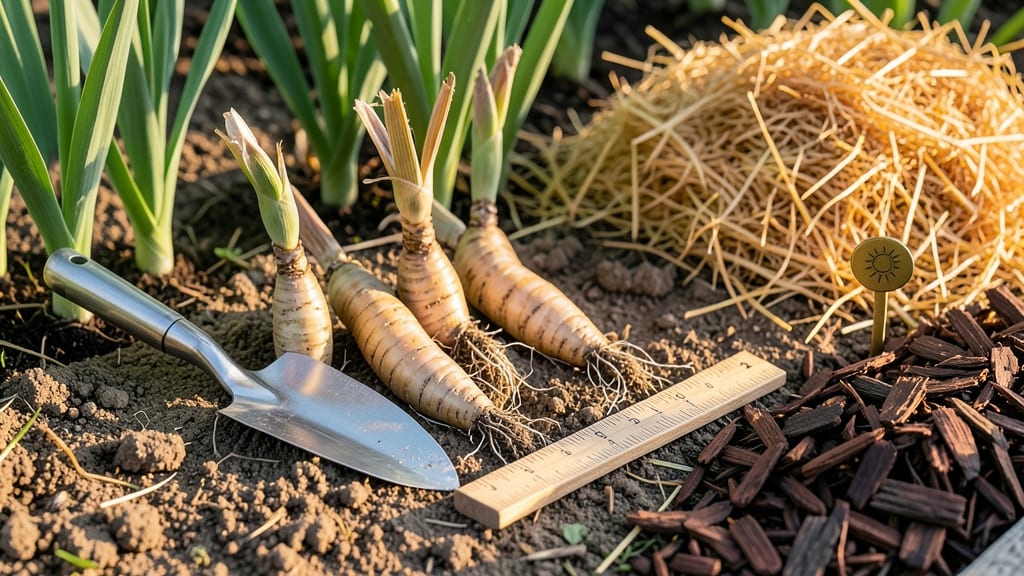
Planting iris bulbs in fall is the key to vibrant spring blooms — but one wrong move can leave you with bare soil next year.
You’ve picked the perfect 🌸 iris variety, but timing is everything. Plant too early, and the roots won’t anchor before winter. Too late, and the bulbs won’t establish before the ground freezes.
For Zone 6a (like most of the Midwest), the 6-week window between late September and early November is your golden opportunity.
Why does fall work so well? Iris rhizomes need cool soil to root before dormancy, and planting now means they’ll wake up stronger in spring. But not all regions are created equal — Pacific Northwest gardeners can start earlier, while Southerners should wait until October.
Below, I break down the exact months by zone, soil prep secrets to avoid rot, and how to tell if you’ve planted them just right for next year’s showstopping blooms.
Best fall planting months for iris bulbs by USDA zone (with exact dates)
Planting iris bulbs in fall ensures they establish strong roots before winter dormancy, leading to vibrant spring blooms. However, the ideal timing varies dramatically by USDA zone—planting too early risks rot, while late planting may leave roots vulnerable to frost.
Let’s break down the exact months for Zones 3 through 10, with regional adjustments for Pacific Northwest and Deep South climates.
Iris rhizomes (not true bulbs) thrive when soil temperatures hover between 45°F and 60°F. This window allows roots to grow but prevents premature sprouting. In colder zones, aim for 6-8 weeks before first frost, while warmer zones can extend planting into early November.
Let’s dive into the specifics for each zone.
Key rule: Never plant when soil is frozen or waterlogged. Test soil moisture by squeezing a handful—it should crumble, not stick. Adjust planting dates if your region experiences early freezes or unusually warm falls.
| USDA Zone | Ideal Planting Window | Soil Temp Range (°F) | Regional Adjustments | Avoid Planting After |
|---|---|---|---|---|
| Zones 3-4 | Mid-September to early October | 45°F - 55°F | Wait for soil to cool below 70°F; mulch heavily in late fall | October 15 (risk of early frost) |
| Zones 5-6 | Late September to mid-October | 50°F - 60°F | Pacific Northwest: extend to November if mild | November 1 (frost risk) |
| Zones 7-8 | October to early November | 55°F - 65°F | Deep South: plant in October; avoid November heatwaves | November 15 (soil warming) |
| Zones 9-10 | November (early November only) | 60°F - 68°F | Desert regions: plant in late October to avoid winter rains | December 1 (no winter dormancy needed) |
In Zones 3-4, where winters are harsh, prioritize planting by mid-October to allow roots to establish before ground freezes. Use 3-4 inches of mulch after planting to insulate rhizomes. For Pacific Northwest gardeners in Zones 5-6, extend planting to November if your fall stays mild—soil rarely freezes before December.
Gardeners in Zones 7-8 have the most flexibility, with October being ideal. However, in the Deep South, avoid planting in November—soil temperatures can spike, causing rhizomes to rot.
Instead, focus on early October when daytime highs drop below 80°F. In Zones 9-10, November is your only window, but act quickly—soil can warm again by December.
Timing matters because iris rhizomes need 6-8 weeks of root growth before winter dormancy. Planting too late leaves them vulnerable to frost heave (when freezing/thawing cycles push rhizomes out of soil). Conversely, early planting in warm zones can trigger premature sprouting, which weakens rhizomes before winter.
Pro tip: If your region experiences unpredictable weather, like sudden cold snaps in Zone 7 or early freezes in Zone 5, err on the earlier side of the planting window.
Use a soil thermometer to confirm temperatures are in the ideal range before planting. This small investment prevents costly mistakes.
For Pacific Northwest gardeners, consider planting in late October if your fall is unusually warm. The region’s mild winters often allow rhizomes to establish even later.
In contrast, Deep South gardeners should avoid November entirely—opt for early October and protect plants with a light shade cloth if temperatures rise above 75°F after planting.
Remember: Iris rhizomes are not true bulbs—they grow horizontally and need partial exposure (top half above soil). Planting at the right time ensures they establish roots while avoiding winter stress. With these zone-specific dates, your irises will reward you with bold, healthy blooms next spring.
🌸
Critical fall planting tips to prevent common iris bulb failures
Planting iris bulbs in fall sets the stage for stunning spring blooms, but missteps in soil prep or placement can lead to rot, frost heave, or weak growth. I’ve learned the hard way that depth, drainage, and spacing are non-negotiable—especially in my USDA Zone 6a garden where winters fluctuate wildly.
First, always plant iris rhizomes (not true bulbs) with the top half exposed—this prevents rot from sitting water. I use a shovel to create trenches about 4-6 inches deep, which gives roots room to anchor before winter. Too shallow, and they’ll freeze; too deep, and they’ll suffocate.
⚠️ WARNING: Heavy clay soil is a silent killer for irises. If your soil compacts easily when wet, amend it with 50% perlite or coarse sand before planting.
I mix in 2 inches of compost too—this improves drainage while feeding those hungry rhizomes. Without this step, bulbs rot over winter, and you’ll waste your effort.
⚠️ Heavy Clay Soil = Iris Graveyard
Clay soil holds too much moisture, causing rhizomes to rot. Test your soil: if it forms a tight ball when squeezed, amend with perlite or sand (50% mix). Never plant in unamended clay—even "dry" clay stays soggy underground.
Spacing is another game-changer. I space my iris rhizomes 12-24 inches apart, depending on the variety. Dwarf Siberian irises can crowd at 12 inches, while tall bearded types need 24 inches to avoid competition. Overcrowding leads to smaller blooms and weaker stems—trust me, I’ve seen both.
For drainage, I always plant on a slight slope or mound. If your yard is flat, create a raised bed with gravel at the bottom. I’ve had irises thrive in containers with drainage holes and a gravel layer—this mimics their natural rocky habitats.
Mulch lightly with 2 inches of straw after planting to insulate roots, but avoid piling mulch against the rhizomes.
Finally, watch for frost heave—when soil freezes and expands, pushing bulbs up. To prevent this, I cover planted beds with 2-3 inches of leaves after the first frost.
This acts like a natural blanket, keeping rhizomes stable. In colder zones (USDA 3-5), add extra mulch or a protective cloth until spring.
With these tips, my irises bloom like clockwork every spring—vibrant and healthy. The key is preparation now to avoid winter stress. Start with well-draining soil, proper depth, and smart spacing, and you’ll skip the common pitfalls that turn fall planting into a gamble.