
Plants
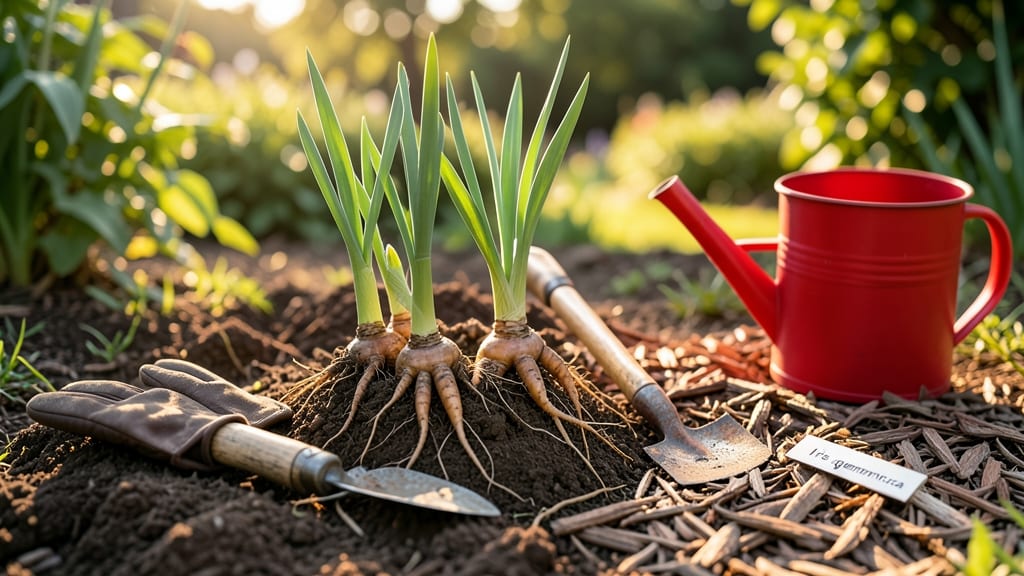
Planting iris bulbs in Colorado requires precise timing to beat the region’s unpredictable frosts and rocky soil—aim for late summer to early fall when the ground cools but stays workable.
You’ve probably heard that irises thrive in Colorado’s USDA Zones 5-7, but the real challenge is knowing when to dig in. One wrong move, and your rhizomes might rot before winter or sprout too early and get fried by late-season heat.
Below, I’ll break down the exact frost-free windows for your zone, how to prep soil for Colorado’s dry, alkaline conditions, and the best iris varieties for high-altitude gardens.
By the end, you’ll know not just when to plant, but how to give your irises the perfect start—so they reward you with bold blooms next spring.
Colorado’s frost-free dates for planting iris bulbs by hardiness Zone
Colorado’s diverse elevation zones and microclimates create unique challenges for planting iris bulbs. Unlike many plants, irises thrive when planted in late summer to early fall, but timing varies dramatically between Denver’s Front Range and the Western Slope’s lower elevations.
Understanding your USDA hardiness zone and local frost patterns is key to avoiding failed blooms next spring.
Iris rhizomes need 6-8 weeks of warm soil before winter dormancy sets in. In Zone 4 (high-altitude areas like Steamboat Springs), this means planting by mid-August, while Zone 7 (Albuquerque-adjacent areas) can extend planting until early October.
The critical factor isn’t just calendar dates but soil temperature—aim for 60-70°F at planting depth (3-4 inches).
Here’s how Colorado’s regional frost patterns affect your iris planting schedule:
Spring planting is risky in Colorado due to late frosts, but if you miss fall, aim for April after last frost—just be prepared to protect young plants with row covers if nighttime temps dip below 40°F.
The Western Slope’s Zone 7 often sees earlier springs, so monitor local Almanac frost dates closely. For Denver/Boulder gardeners, early September is ideal, but don’t wait past mid-October unless you’re in a sheltered microclimate.
High-altitude areas like Eagle County or Summit County experience earlier frosts than their USDA zone suggests. I’ve seen Zone 5 gardens in 10,000+ ft elevations need to plant by mid-July to avoid winter kill.
Test your soil with a soil thermometer—if temps drop below 55°F at 4-inch depth, your rhizomes won’t establish roots before dormancy.
Pro tip: Adjust for your specific elevation. A Zone 5 gardener in Denver (5,280 ft) has a longer window than one in Evergreen (7,500 ft). Use the Colorado State University Extension’s frost calculator to refine your dates.
For container-grown irises, you can push planting into early October since pots warm faster in fall.
Remember, irises hate soggy soil. Colorado’s Front Range can experience sudden rain followed by freeze—amend heavy clay with sand or grit to prevent rot. In dry Western Slope zones, mulch with gravel instead of organic matter to retain moisture without suffocating rhizomes.
The goal is well-draining soil that stays warm but not wet.
If you’re in Zone 4-5 and miss the fall window, don’t despair—
Signs your Colorado soil is ready for iris bulbs (and when to wait)
Planting iris bulbs in Colorado requires careful timing—especially when dealing with our variable soil temperatures and rocky terrain. The key is waiting until the soil has cooled enough to prevent heat stress on the rhizomes while still allowing enough time for root establishment before winter.
Here’s how to know when your soil is just right.
First, check the soil temperature at a depth of 4-6 inches. Ideal planting conditions occur when soil temps drop to 60-65°F consistently for 5-7 days. Use a soil thermometer for accuracy—Colorado’s high-altitude regions like Denver can fluctuate wildly between day and night.
Next, assess moisture levels. Irises thrive in well-draining soil, but they also need enough moisture to encourage root growth. Press your finger into the soil—if it feels damp but not soggy, it’s ready.
Rocky Colorado soil often drains too quickly, so amend with organic compost or sand to improve texture.
⚠️ callout-warning
Colorado’s late-summer heat can scorch iris rhizomes if planted before soil cools. Conversely, waiting until mid-October risks insufficient root growth before frost. Aim for late August to early September—this window balances cool soil temps and adequate growing time.
For high-elevation areas (7,000+ ft), delay until early September to avoid early frosts. Test soil readiness by placing a bare bulb in the ground for 24 hours—if it doesn’t feel warm to the touch, it’s safe to plant.
Listen to your local microclimate. Urban areas like Boulder or Fort Collins may cool faster than rural Western Slope regions. Observe nearby gardens—if daylilies or coneflowers are already blooming, your soil is likely ready. These plants share similar cool-season preferences.
If your soil is too rocky, don’t skip planting! Irises tolerate some rockiness, but improve drainage by creating raised beds or mixing in perlite. Rocky soil also warms faster—plant in shadier spots or use mulch to regulate temperature.
A 2-inch layer of straw or pine needles helps retain moisture while preventing overheating.
Finally, watch for foliage emergence in early spring. If your irises sprout vigorous green leaves by March or April, they’ve established roots successfully. Delayed or weak growth signals poor soil conditions—amend with compost and adjust planting timing next year.