
Plants
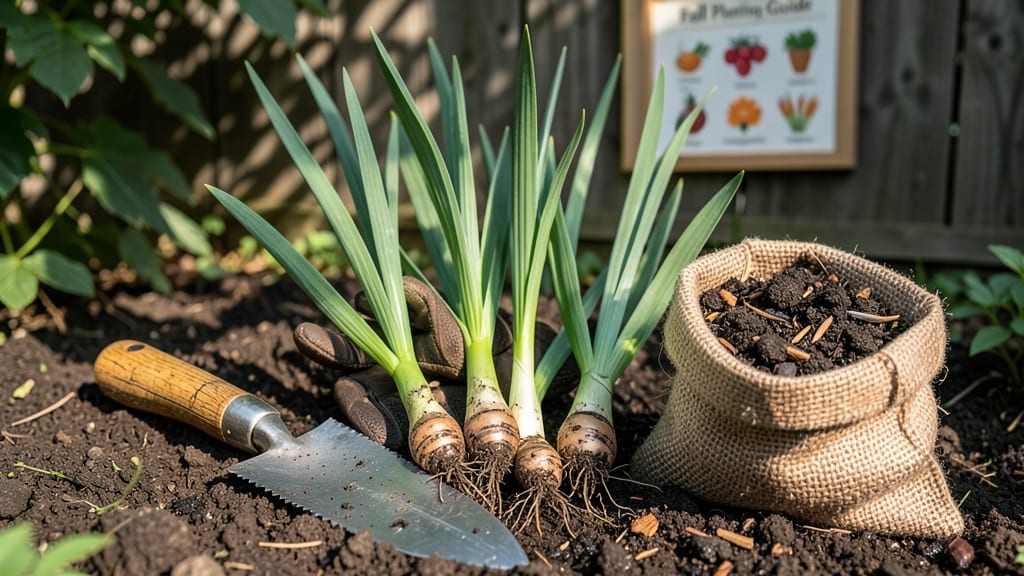
Planting iris bulbs in late summer to early fall ensures they establish strong roots before winter 🌸 — the key to vibrant blooms next spring.
Timing is everything when planting iris bulbs—get it wrong, and you could miss the stunning blooms these perennials are famous for. The right planting window depends on your climate zone, but knowing these key details ensures vibrant flowers year after year.
In USDA Zone 6a (like mine), aim for August to October when soil is still warm but frost isn’t lurking. Too early, and the bulbs may sprout before winter; too late, and they won’t root deeply enough for spring’s showstopper blooms.
Below, I break down the best months by region, soil prep secrets, and how to tell if your bulbs are ready to go in the ground—so you can skip the guesswork and enjoy those iconic purple standards without fail.
Best months to plant iris bulbs by USDA climate zone
Planting iris bulbs—or more accurately, their rhizomes—at the right time ensures strong root growth before winter and vibrant spring blooms. Since irises thrive in cool climates, timing varies drastically between USDA zones 3-10.
In colder zones, early fall planting gives rhizomes time to establish roots before freezing, while warmer zones benefit from late winter planting to avoid summer heat stress.
For gardeners in zones 3-5, the ideal window is late August through September, allowing 6-8 weeks of root growth before frost. In zones 6-8, you can extend planting into October, while zones 9-10 offer flexibility for late winter planting (January-February) to align with natural rainfall cycles.
Why timing matters: Planting too early (e.g., June) risks rhizomes rotting from excess moisture, while late planting (November+) leaves them vulnerable to winter freeze-thaw cycles. The goal is 6-8 weeks of root establishment before dormancy sets in.
Here’s a clear breakdown of the best planting months by zone, including soil prep tips and post-planting care:
In zones 3-5, focus on early fall planting to capitalize on cool soil temperatures (50–60°F). This mimics the iris’s natural dormancy cycle, preventing rot while encouraging root growth. For example, in zone 4, planting by September 15 ensures rhizomes establish before first frost (typically late October).
Gardeners in zones 6-8 have more flexibility, but September is critical. Planting in October works if your last frost isn’t until November 15, but avoid late planting—rhizomes need 4–6 weeks of root growth before winter. Pro tip: Test soil moisture before planting; irises hate soggy conditions.
For zones 9-10, late winter planting (January–February) aligns with natural rainfall, reducing irrigation needs. Unlike northern zones, these areas avoid summer heat stress by establishing rhizomes when temperatures are 65–75°F. For instance, in zone 10, planting in February lets rhizomes bloom by March–April.
Regardless of zone, plant rhizomes shallowly: 2–4 inches deep, with the top half exposed. This prevents rot and mimics their natural habitat. After planting, water lightly to settle soil, then reduce watering—irises are drought-tolerant once established.
In zones 3-6, add 2–3 inches of mulch after planting to insulate roots.
Timing isn’t just about months—it’s about soil conditions. Use a soil thermometer to confirm temps are below 70°F before planting in warm zones. In zone 8, for example, September soil temps often drop to 68°F, perfect for rhizome establishment.
Missed the fall window? Don’t panic. In zones 6-10, late winter planting (January–February) still works, but prioritize well-draining soil to prevent rot. For zone 7, aim for January planting—rhizomes will bloom by April with minimal care.
Remember: Iris rhizomes need 6–8 weeks to root before dormancy. Plan accordingly, and your spring blooms will be the envy of the neighborhood! 🌸
Signs your iris bulbs are ready for planting (and what to avoid)
Iris bulbs—technically called rhizomes—have specific signals that tell you they're primed for planting. The most critical sign is dormancy, where the foliage turns completely brown and crispy by late summer. This natural process means the rhizome has stored enough energy to survive winter and bloom next spring.
Another key indicator is the firmness of the rhizome itself. Press gently—if it feels solid and plump (not soft or shriveled), it's ready. Soft rhizomes often mean they're still actively growing or have dried out too much, both of which delay successful planting.
Timing matters because planting too early—like in spring—can trigger premature growth that gets damaged by frost. Conversely, waiting until winter risks the rhizome not establishing roots before the ground freezes. The ideal window is when your region's soil temperature drops below 70°F (21°C) but before the first frost.
⚠️ callout-warning
If you plant iris rhizomes after October 15th in most US zones, they may not develop strong roots before winter. In Zone 7+, aim for September 1st—any later risks poor establishment. Check your last frost date and plant 6-8 weeks before it arrives.
Pro Tip: Use a soil thermometer to confirm temps are consistently below 70°F—this is your green light!
One common mistake is ignoring the rhizome's upward-pointing growth tip. Always plant with the pointy end facing up—this ensures proper growth direction.
Burying them too deep (more than 4 inches) can suffocate the rhizome, while planting too shallow (less than 2 inches) exposes them to frost damage.
Finally, avoid planting rhizomes that still have green shoots in spring. These are not dormant and will struggle to adapt. Instead, wait until the foliage has fully browned and died back, signaling the rhizome is truly ready for its next cycle.
By watching for these dormancy cues and avoiding these pitfalls, your iris rhizomes will establish roots quickly and reward you with bold blooms next spring. Just remember: firm, brown, and pointed-up is the perfect trio for success!