
Plants
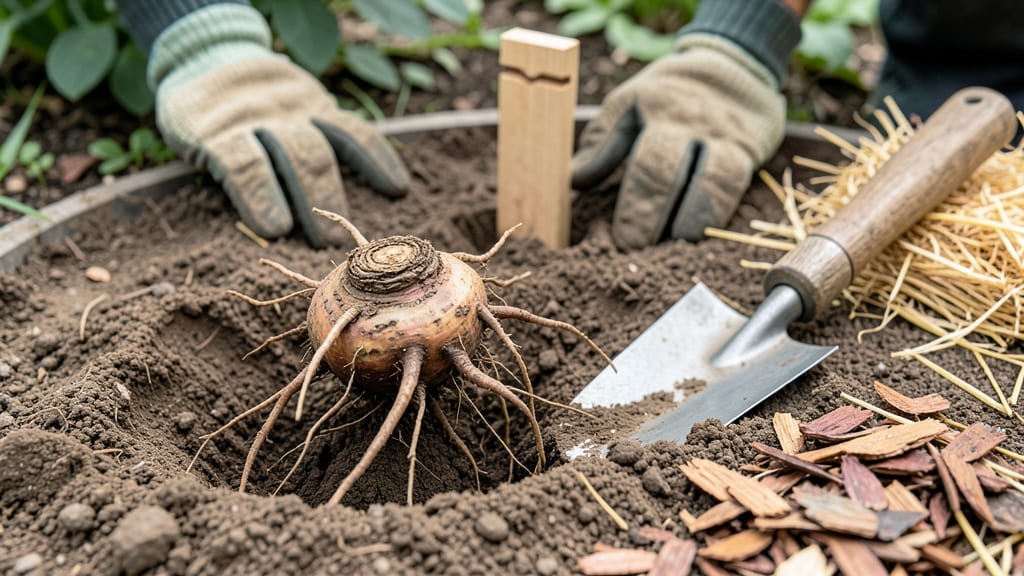
Planting peony bulbs in Colorado requires timing them perfectly between late summer and early fall to avoid winter damage and ensure strong roots.
Colorado gardeners know timing is everything—plant peony bulbs too early, and harsh winters may damage them; too late, and you’ll miss the frost-free window for strong root establishment. Get the perfect schedule to ensure vibrant spring blooms that last for years.
The ideal window for planting peonies in Colorado’s USDA zones 5-7 is between July and October, with the sweet spot being August to early September. This timing aligns with soil temperatures cooling but staying frost-free, giving bulbs time to establish roots before winter dormancy.
In this guide, I’ll break down the exact frost-free timeline for Denver, Colorado Springs, and high-altitude areas, plus soil prep tips and spacing tricks to guarantee your peonies 🌸 thrive for decades.
Colorado’s frost-free timeline for planting peony bulbs: month-by-month breakdown
Peony bulbs thrive in Colorado’s USDA zones 5-7, but timing is critical to avoid winter damage or missed root growth. The frost-free window typically spans from mid-June to mid-October, with high-altitude areas like Colorado Springs and Denver having shorter windows than lower elevations.
Planting too early exposes bulbs to premature frost, while late planting risks weak root establishment before winter.
For peak spring blooms, aim to plant peony bulbs during Colorado’s ideal frost-free months: July through September. This schedule ensures bulbs establish roots before the first hard freeze, which usually arrives in mid-October for most regions.
High-altitude areas (above 7,000 feet) may need adjustments, as frost can arrive 2-3 weeks earlier.
Below is a month-by-month breakdown tailored to Colorado’s microclimates, including early, ideal, and late planting windows with frost risk analysis. Use this guide to align your planting schedule with your specific location’s last frost dates and soil temperature trends.
For Denver gardeners (Zone 5), July and August are the sweet spot for planting peony bulbs. Soil temperatures typically stay above 60°F during these months, ideal for root growth. If you plant in early June, monitor weather forecasts for unexpected late frosts, which can delay root establishment.
Conversely, planting in late September risks exposing bulbs to early frost before roots fully develop.
In Colorado Springs (Zone 5), the window is slightly narrower due to higher elevation. Prioritize planting in July or early August to avoid premature frost. High-altitude areas (above 8,000 feet) should plant in late July at the earliest, as frost can arrive as early as mid-September.
Use row covers or mulch heavily if planting in early September to extend the frost-free period.
Peony bulbs planted in July have 6-8 weeks of warm soil before winter, giving roots enough time to establish. If you miss this window, consider container planting to move bulbs indoors during extreme cold snaps.
For high-altitude regions, opt for earlier-blooming varieties like ‘Sarah Bernhardt’ or ‘Bowl of Beauty,’ which tolerate shorter growing seasons better.
After planting, mulch with 2-3 inches of straw or shredded leaves to insulate bulbs and retain moisture. This is especially critical in Denver’s dry climate, where soil can dry out quickly.
Avoid mulching too early, as warm soil is essential for root growth. Water deeply once a week until the ground freezes, ensuring bulbs stay hydrated without becoming waterlogged.
If you’re unsure about your local frost dates, check the Color
Signs your Colorado soil is ready for peony bulbs (and how to fix common mistakes)
Peonies thrive in Colorado’s cool climates and well-draining soils, but many gardeners overlook subtle signs that their soil isn’t quite right. Before planting, check for these key indicators: soil temperature between 50-65°F, minimal standing water after rain, and a slightly acidic to neutral pH (6.0-7.0).
Colorado’s clay-heavy soils or alkaline pH can stunt growth, so testing is essential.
One of the biggest mistakes I see is planting peony bulbs in wet, compacted soil. Colorado’s high-altitude regions often struggle with poor drainage, leading to root rot.
If your soil feels gummy when squeezed or puddles form after rain, it’s not ready—even if the calendar says it’s fall planting season. Let’s fix that first.
⚠️ callout-warning ⚠️
- Clay Soil? Add 3-4 inches of compost or sand to improve drainage.
- Alkaline pH (above 7.0)? Mix in sulfur or peat moss to lower pH gradually.
- Rocky Terrain? Use raised beds with amended soil for better root development.
- Waterlogged Areas? Plant on mounds or install French drains first.
Peonies hate soggy feet—amend soil 4-6 weeks before planting to avoid stress.
Start by testing your soil’s drainage capacity. Dig a hole 12 inches deep and fill it with water. If it drains in 2 hours, your soil is ready. If not, mix in organic matter like composted leaves or coconut coir.
For Colorado’s dry climates, aim for soil that retains moisture but doesn’t stay soggy—think of a well-wrung sponge.
Peonies also need nutrient-rich soil to support their lush foliage and heavy blooms. Work in 2-3 inches of compost or well-rotted manure into the top 12 inches of soil.
Avoid fresh manure, which can burn roots. Colorado’s low-organic soils often lack phosphorus, crucial for peony root growth—add a bone meal supplement if your test results show deficiencies.
Don’t forget about sunlight exposure, even if it’s soil-focused. Peonies need 6+ hours of direct sun daily, but Colorado’s intense afternoon sun can dry out soil quickly.
If your planting spot gets hot afternoon sun, mulch with straw or wood chips to retain moisture and regulate soil temperature. This is especially critical in Front Range areas like Denver and Colorado Springs.
Finally, time your planting to align with soil conditions. In Colorado, aim to plant peony bulbs 4-6 weeks before the first frost (typically late August to early October), but only after soil temps drop below 70°F.
Use a soil thermometer to monitor—bulbs need cool soil to establish roots before winter. If your soil is still warm, wait or use shade cloth to cool it down.