
Planting
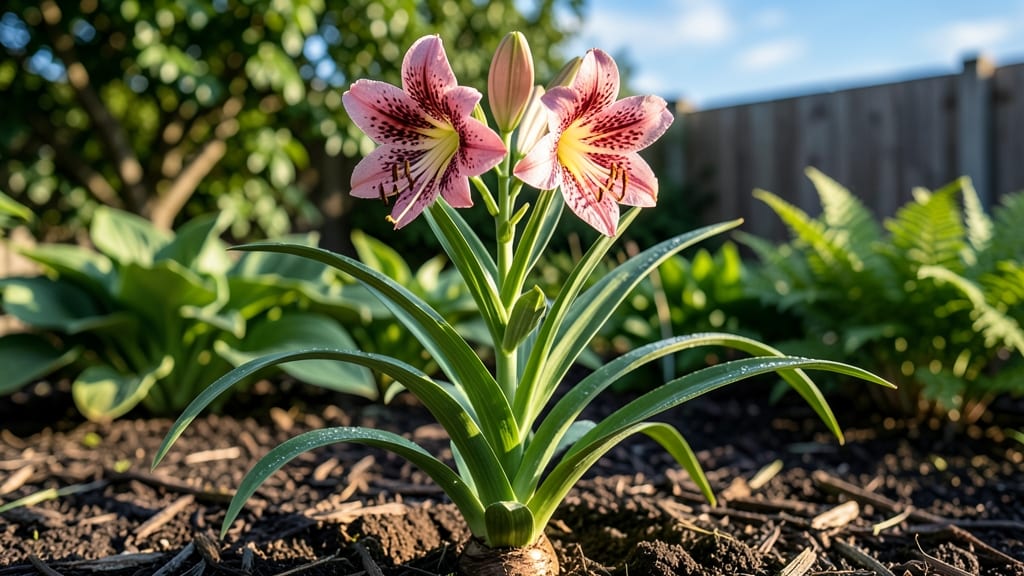
Planting oriental hybrid lily bulbs means fragrant, repeat-blooming magic that lasts for years—if you do it right. 🌸 These zone-tested perennials reward patience with towering blooms in rich colors, but their success depends on timing, soil, and a few key tricks most gardeners miss.
The secret starts with well-draining soil mixed with compost—no soggy roots here. Plant bulbs 6-8 inches deep in early fall (or late winter in warmer zones), spacing them 12 inches apart for those dramatic stems. Too shallow? They’ll flop.
Too deep? They’ll struggle to push through. By midsummer, you’ll be rewarded with 18-inch-tall blooms that perfume the garden at dusk. Water consistently but avoid overhead spraying (fungal diseases hate this rule too). A balanced fertilizer in spring keeps them strong for repeat blooms.
Common mistakes? Overcrowding (they need elbow room) and skipping mulch (protects roots in winter). With the right care, these lilies multiply yearly—turning your garden into a fragrant, long-stemmed showstopper.
📚 In This Guide
- What you need
- Instructions
- Tips and common mistakes
- Wrapping up and next steps
What you need
- ● Oriental hybrid lily bulbs: Choose high-quality, certified disease-free bulbs (e.g., 'Stargazer,' 'Casa Blanca,' or 'Black Out'). Quantity: 3–5 bulbs per plant (or more for dramatic displays).
- ● Well-draining potting mix or garden soil: Amend garden soil with compost (20–30%) and perlite/sand (10–20%) for aeration. For containers, use a lightweight, peat-based mix.
- ● Fertilizer: Balanced granular fertilizer (10-10-10 or 20-20-20): 1–2 tbsp per planting hole.
- ○ Slow-release bulb fertilizer (optional but recommended): Mix 1 cup into the soil at planting.
- ● Mulch: Organic mulch (2–3 inches) like shredded bark or straw to retain moisture and regulate temperature.
- ● Garden tools: Trowel or bulb planter
- ● Garden gloves (to protect from soil-borne pathogens)
- ● Watering can or hose with a gentle spray nozzle
- ● Epsom salt: 1 tbsp dissolved in water (applied mid-season) for richer blooms.
- ● Stakes or tomato cages: For tall varieties (e.g., 'Black Beauty') to prevent flopping.
- ● Soil test kit: To check pH (ideal range: 6.1–7.5; amend with lime or sulfur if needed).
- ● Drip irrigation system: For consistent moisture (especially in hot climates).
- ● Fungicide (preventative): Copper-based spray if your area has lily borer or fungal risks.
Step-by-step guide to planting oriental hybrid lily bulbs
Here's the foolproof method I've used for years to get these showstopper lilies thriving in my garden.
🌱 Step 1: Choose the Perfect Planting Site
Oriental hybrid lilies demand full sun—at least 6-8 hours daily. I always pick the sunniest spot in my yard, even if it means moving them from a shadier location after a year or two. These beauties won't tolerate competition, so plant them 12-18 inches apart in well-draining soil. The key is avoiding soggy roots, which leads to bulb rot.
Test your soil by squeezing a handful—if it stays clumped, amend with compost or sand to improve drainage. These lilies reward patience with their dramatic blooms, but they won't forgive poor drainage. I dig a hole twice as wide as the bulb and just as deep, creating a loose, airy bed for the roots to spread.
🪴 Step 2: Plant Bulbs at the Right Depth and Orientation
Position the bulb with the pointed end facing upward—this ensures proper growth direction. The top of the bulb should sit 2-4 inches below soil level, depending on your climate. In colder zones, plant deeper (4 inches) for winter protection, while warmer regions can go shallower (2 inches). I always add a handful of bone meal fertilizer to the planting hole for a phosphorus boost, which encourages strong root development.
Backfill with native soil, pressing gently to eliminate air pockets. Water thoroughly right after planting to settle the soil and hydrate the bulb. The first flush of water helps wash away any residual fertilizer that might burn tender roots. I like to mulch lightly with 2-3 inches of organic mulch to retain moisture and regulate soil temperature.
☀️ Step 3: Provide Consistent Care for Stunning Blooms
Water newly planted bulbs 1-2 times weekly until they establish roots, which typically takes 4-6 weeks. You'll know they're settled when the leaves emerge and begin growing steadily. Once established, reduce watering to once weekly, but always water deeply—1 inch per week—to encourage strong root growth. Oriental hybrids are drought-tolerant once established, but they'll reward you with bigger blooms if you keep them consistently moist.
Fertilize in early spring with a balanced, slow-release fertilizer (10-10-10 ratio) to support foliage growth. I avoid high-nitrogen fertilizers, as they promote leafy growth at the expense of flowers. After blooming, side-dress with a low-nitrogen, high-phosphorus fertilizer to build next year's blooms. Deadhead spent flowers, but leave the foliage until it yellows naturally—this process feeds the bulb for next season's performance.
✂️ Step 4: Prepare for Winter and Encourage Repeat Blooming
In fall, reduce watering as temperatures drop, but don't let the soil dry out completely. Oriental hybrids are hardy to USDA Zone 3, but their tops may die back in colder climates. I cut back the foliage to 6 inches once it turns brown, but I never remove it until spring—this protects the bulb from temperature fluctuations. In warmer zones, mulch heavily (4-6 inches) to insulate the bulbs through winter.
Here's the magic for repeat blooming: After the first flush of flowers, I fertilize with a high-potassium formula to encourage a second bloom cycle. Water consistently throughout the summer, and you'll often see a second round of blooms in late summer or early fall. This is what sets Oriental hybrids apart—they're the only lilies that reliably rebloom with proper care.
⏰ Step 5: Divide and Multiply Every 3-4 Years
Oriental hybrid lilies multiply quickly, so I divide them every 3-4 years to maintain vigor. Dig up the clumps in early fall or late winter when the foliage is dormant. Gently separate the bulbs, ensuring each has at least one healthy shoot. Discard any soft, mushy, or shriveled bulbs—they won't regrow. Replant the healthy bulbs immediately or store them in a cool, dry place until planting time.
This is also the time to refresh the planting site. I rotate the location to prevent disease buildup and improve soil fertility. Oriental hybrids respond well to being moved, so don't hesitate to give them a new home if their current spot isn't performing. With proper division and care, you'll end up with more bulbs than you started—and that means more of those intoxicatingly fragrant blooms year after year.
Tips & tricks for perfect oriental hybrid lily planting
These game-changing insights will help you avoid common pitfalls and maximize those fragrant blooms year after year.
Sunlight Strategy: I can't stress enough how critical those 6-8 hours of full sun are—these lilies are sun worshippers! If your yard has partial shade, consider using a reflective surface like a white wall or patio to bounce extra light onto the plants. In hot climates, afternoon shade can prevent leaf scorch while still giving them plenty of morning sun. I've seen dramatic differences in bloom size when plants get their full sun requirement.
Soil Preparation Secret: Before planting, I always mix a 50/50 blend of native soil and compost in the planting hole—this gives the roots a nutrient boost right from the start. For heavy clay soils, add a handful of coarse sand to improve drainage. The goal is to create a loose, airy environment that mimics the well-draining conditions these bulbs thrive in. This simple step can mean the difference between healthy growth and bulb rot.
Winter Protection Hack: In colder zones where temperatures dip below freezing, I've found that adding a 3-inch layer of straw mulch over the 4-6 inches of organic mulch provides extra insulation. This creates a protective barrier that helps maintain consistent soil temperatures, which is crucial for bulb survival. I also avoid cutting back foliage until spring—those dead leaves act as natural insulation.
Fertilizer Timing Tip: When applying that 10-10-10 balanced fertilizer in early spring, I like to split the dose into two applications—half when shoots emerge and half after blooming. This staggered approach prevents nutrient burn while ensuring steady growth throughout the season. For the high-potassium fertilizer after blooming, I mix it directly into the soil surface rather than applying it on top, which helps prevent it from washing away during watering.
Pro Tips for Oriental Hybrid Lily Bulbs
- These game-changing insights will help you avoid common pitfalls and maximize those fragrant blooms year after year.
- Sunlight Strategy: I can't stress enough how critical those 6-8 hours of full sun are—these lilies are sun worshippers!
- Soil Preparation Secret: Before planting, I always mix a 50/50 blend of native soil and compost in the planting hole—this gives the roots a nutrient boost right from the start.
Frequently asked questions
Got questions about growing oriental hybrid lily bulbs? You’re not alone! These stunning perennials are beloved for their fragrance and repeat blooms, but they do require some care. Below, we’ve answered the most common questions to help you grow them like a pro.
When is the best time to plant oriental hybrid lily bulbs?
Plant your bulbs in early fall (4–6 weeks before the ground freezes) for spring blooms. If you’re in a mild climate (Zone 7+), you can plant in late winter or early spring instead. Just ensure the soil is cool but workable—not frozen or soggy!
How deep should I plant oriental hybrid lily bulbs?
Dig a hole 6–8 inches deep and place the bulb with its nose (root end) facing downward. Space bulbs 12–24 inches apart to allow room for their lush foliage. Overplanting can lead to crowding, disease, or fewer blooms. Pro tip: Add a 1-inch layer of compost at the bottom for extra nutrients!
Are oriental hybrid lilies cold-hardy? What zones do they thrive in?
These beauties are zone-hardy from 3–9, but they need winter protection in colder areas. In Zones 3–5, mulch heavily (4–6 inches) with straw or leaves after the ground freezes. In Zones 6–9, they’re low-maintenance perennials—just ensure good drainage to prevent rot.
Why aren’t my oriental hybrid lilies blooming?
No blooms? Don’t panic! Common culprits include:
- Too much shade: They need full sun (6+ hours/day).
- Over-fertilizing with nitrogen: This boosts leaves but stunts flowers. Use a balanced 10-10-10 or bloom-specific fertilizer instead.
- Improper planting depth: If bulbs are too shallow, they may not establish roots properly.
- Lack of patience: Oriental hybrids often take 2–3 years to reach peak blooming!
Can I grow oriental hybrid lilies in containers?
Use a large pot (at least 12 inches deep) with drainage holes and a well-draining potting mix. Plant 1–2 bulbs per container and place in full sun. In winter, move pots to a garage or insulated area in colder zones. Just remember: Containers dry out faster, so water consistently during the growing season.
Wrapping up and next steps
Oriental hybrid lily bulbs bring bold beauty and effortless charm to any garden, offering fragrant blooms that return year after year with minimal fuss. Whether you’re a seasoned gardener or just starting out, these zone-tested perennials are a rewarding addition that’ll turn heads—and fill your space with intoxicating scent. 🌸
Ready to transform your garden? Start by selecting your favorite varieties, then plant with confidence—your future blooms will thank you! Check out our planting tips to get started today.