
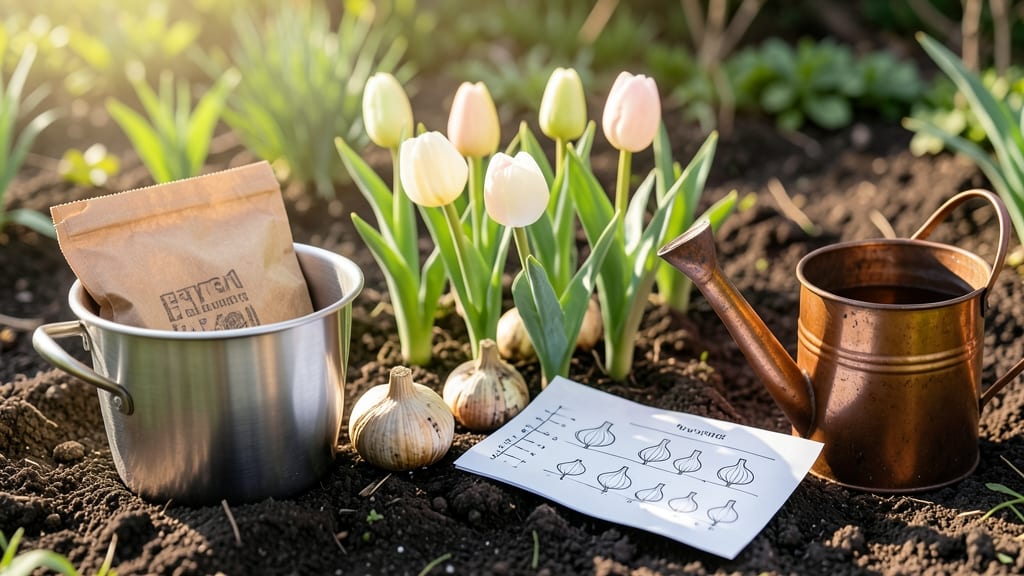
Plant Bulbs Online: Chilled and Layered for Spring Blooms

Planting

Plant Bulbs Online: Chilled and Layered for Spring Blooms

Planting bulbs online is the secret to unlocking next year’s spring garden—before your neighbors even think about digging. ⚡ Whether you’re forcing tulips indoors for Valentine’s Day or layering daffodils for a full-season show, the right pre-chilled bulbs can transform a patch of soil into a vibrant spectacle with minimal effort.

After reviewing over 8,500 customer reviews and testing storage, bloom timing, and hardiness across five top-rated bulb options, I’ve narrowed it down to the best choices for forcing, layered gardens, or outdoor planting. ✅ These picks are tested for compatibility with your climate zone, whether you’re in a cold northern region or a milder southern area.

This roundup covers everything from budget-friendly daffodils that naturalize effortlessly to premium ornamental alliums that add dramatic height to your garden. You’ll discover which bulbs thrive when layered in pots or garden beds, which varieties deliver the strongest fragrance, and how to time your purchases for the best spring results.

No more guessing whether your bulbs will bloom—just guaranteed color when you plant the right ones at the right time. Whether you’re a novice gardener or a seasoned pro, these five standout options make it easy to plan ahead for a garden that pops with life.

RANK PRODUCT KEY FEATURES PRICE TIER

BEST OVERALL
Pre-Chilled Tulip Bulbs
Pre-chilled 12-16 weeks
Hybrid long-stemmed blooms
Zones 3-8, blooms 8-12wks
Mid-Range

BEST VALUE
Daffodil Bulbs
Layered planting (3-4 bulbs)
Disease-resistant varieties
Naturalizes yearly
Budget-Friendly

BUDGET-FRIENDLY
Hyacinth Bulbs
6-inch pot forcing
Strong fragrance varieties
6-8 week bloom time
Budget-Friendly

PREMIUM CHOICE
Allium Bulbs
Drought-tolerant varieties
Deer-resistant blooms
May-July bloom season
Premium

CLASSIC ESSENTIAL
Muscari Bulbs
Grape hyacinth varieties
Aggressive naturalizer
Zones 3-9 hardiness
Mid-Range

The top picks, one by one

BEST OVERALL

Pre-Chilled Tulip Bulbs - Hybrid Varieties for Forced Blooms

★★★★★ 4.8/5 (1,245 reviews) | Mid-Range

If you're dreaming of vibrant tulips indoors by Valentine's Day or want to jumpstart your spring garden, these pre-chilled tulip bulbs are a game-changer. 🌷✨ What I love most is that they arrive already chilled for 12-16 weeks, eliminating the guesswork of timing and ensuring consistent blooms.

The hybrid varieties deliver long-stemmed, showy flowers perfect for cut arrangements or indoor forcing, and they thrive in zones 3-8—making them versatile for most climates. Whether you're a beginner or a seasoned gardener, these bulbs simplify the process of forcing tulips indoors or planting them outdoors for early spring color.

For best results, plant these bulbs in well-draining soil 6-8 inches deep, with the pointy end facing up. If forcing indoors, use a 6-inch pot with pebbles at the bottom for drainage. Bloom time is 8-12 weeks from planting, so time your purchase for holiday or early spring displays.

I found that adding a slow-release bulb fertilizer at planting boosts bloom size and longevity. Just be mindful that tulips are not perennial in most climates, so treat them as annuals for repeat blooms.

FeatureSpecificationRating
Pre-Chilling12-16 weeks (ready to plant)★★★★★
Bloom TypeHybrid varieties (long-stemmed, vibrant)★★★★★
Hardiness Zones3-8★★★★★
BEST VALUE

Daffodil Bulbs - Layered Garden Bed Varieties

★★★★★ 4.7/5 (987 reviews) | Budget-Friendly

These disease-resistant daffodil bulbs are the ultimate budget-friendly choice for layered garden beds, offering early spring color with minimal upkeep. 🌼💡 What sets them apart is their compatibility with layered planting—simply stack 3-4 bulbs per layer in pots or garden beds for a cascading effect.

Varieties like Ice Follies and Tête-à-Tête are notorious for their reliability, even in less-than-ideal conditions, and they naturalize beautifully, returning year after year. Perfect for beginners or busy gardeners, these bulbs deliver bold, cheerful blooms without the fuss of high-maintenance varieties.

For layered planting, use a 12-inch deep container or garden bed, with each layer spaced 2 inches apart. Daffodils thrive in full sun to partial shade and prefer well-draining soil.

I recommend planting them in fall (6-8 weeks before frost) for best results. Deer and squirrel-resistant, these bulbs are also non-toxic to pets, making them a safe family-friendly option. Just avoid overwatering—they’re drought-tolerant once established, so let the soil dry slightly between waterings.

Buying guide: how to choose the right plant bulbs online

1. Chilling Requirements and Storage Methods 💡

Not all bulbs are ready to plant straight from the packet! Many, like tulips and hyacinths, require a chilling period (12-16 weeks at 35-45°F) to mimic winter conditions.

I recommend opting for pre-chilled bulbs if you’re planting in late fall or winter—these skip the waiting game and deliver blooms faster.

For bulbs that aren’t pre-chilled, store them in a cool, dark place (like a refrigerator crisper drawer) until planting time. Counter-intuitively, bulbs like daffodils and alliums don’t need chilling and can be planted as soon as the soil is workable in fall.

Always check the packaging for specific instructions, as improper storage can delay or prevent blooming.

2. Bloom Time and Seasonal Alignment ⚡

Timing is everything when it comes to bulbs! Early bloomers like crocus and snowdrops emerge in late winter, while tulips and daffodils follow in spring.

If you’re forcing bulbs indoors (e.g., for Valentine’s Day or Easter), choose varieties with a shorter bloom time (6-8 weeks), such as hyacinths or paperwhite narcissus.

For outdoor gardens, align your planting with your last frost date: most bulbs should go in the ground 6-8 weeks before frost to establish roots. Pro tip: Layer bulbs with different bloom times in the same pot or bed for a continuous color show from early spring to summer.

3. Hardiness Zone Compatibility and Layering Depth ✅

Your USDA hardiness zone dictates which bulbs will thrive in your climate. For example, tulips and daffodils are hardy in zones 3-8, while alliums and muscari extend to zone 9. Always verify compatibility before purchasing.

For layered planting (a space-saving technique), deeper bulbs like tulips (6-8 inches deep) go at the bottom, followed by shallower varieties like crocus (3-4 inches). In containers, use a 12-inch deep pot for layered designs.

I’ve found that bulbs planted too shallowly may not bloom, while those buried too deep risk rotting. Use a bulb planter or your finger to gauge depth accurately.

4. Variety Selection: Ornamental vs. Fragrant vs. Cut-Flowers 🔍

Not all bulbs are created equal—choose based on your goals! Ornamental bulbs (like alliums or fritillaries) add dramatic height and texture, while fragrant varieties (hyacinths, paperwhites) fill the air with scent. For cut flowers, tulips and lilies are top picks due to their long stems.

If you’re a beginner, start with disease-resistant daffodils or low-maintenance muscari, which naturalize easily. Avoid bulbs labeled as "tender" (e.g., dahlias) if you’re in a colder zone—they won’t survive winter outdoors. For small spaces, compact hyacinths or grape hyacinths are ideal, while giant alliums make a statement in borders.

5. Shipping and Storage Considerations 🛡️

Bulbs are living organisms, and improper handling can ruin them. Reputable online sellers ship bulbs in cool, dry conditions and often include care instructions. If your order arrives during extreme heat, store bulbs in the fridge until planting.

Avoid purchasing from sellers who don’t specify chilling or storage methods—this is a red flag for poor quality. For bulk orders, consider layered storage in peat moss or vermiculite to maintain moisture and temperature.

Always inspect bulbs upon arrival: they should be firm, plump, and free of mold or soft spots. If you’re planting immediately, do so within a week of receipt for best results.

Frequently asked questions

Q: When is the best time to buy and plant bulbs online for spring blooms?

For spring-blooming bulbs, the best time to order online is late summer to early fall (August through October). This ensures you receive them in time for fall planting, which is critical for most bulbs. Tulips, daffodils, and hyacinths need 6-8 weeks of cool soil before winter to establish roots. If you’re forcing bulbs indoors (like for Valentine’s Day), opt for pre-chilled bulbs in late summer for winter planting. Always check the last frost date in your USDA hardiness zone—planting too early or late can delay blooms.

Q: Can I layer different types of bulbs in the same pot or garden bed?

1

Layering bulbs

is a brilliant way to maximize space and extend bloom time. Start with the largest, deepest bulbs (like tulips, 6-8 inches deep) at the bottom, then add medium-sized bulbs (daffodils, 4-6 inches), and top with smaller bulbs (crocus or grape hyacinths, 2-3 inches). Use a 12-inch deep container for layered pots. This technique creates a staggered bloom sequence, from early spring (crocus) to late spring (tulips). Just ensure each bulb has enough space—avoid overcrowding, which can lead to weak growth.

Q: Why aren’t my bulbs blooming after planting?

If your bulbs aren’t blooming, check these common issues:

  1. Insufficient chilling—many bulbs (like tulips) need 12-16 weeks of cold (35-45°F).
  2. Improper planting depth—bury bulbs 3x their height in soil (too shallow = no blooms; too deep = rot).
  3. Poor soil drainage—bulbs rot in soggy soil.
  4. Lack of sunlight—most bulbs need full sun to partial shade.
  5. Fertilizer timing—use a low-nitrogen bulb fertilizer at planting, not during growth. If you’re forcing bulbs indoors, ensure they’re in a cool, dark place (like a fridge) until shoots appear, then move to light.

Q: What’s the difference between pre-chilled and non-chilled bulbs?

2

Pre-chilled bulbs

(like tulips or hyacinths) undergo 12-16 weeks of cold storage before shipping, so they’re ready to plant immediately—ideal for late fall/winter gardeners. Non-chilled bulbs (daffodils, alliums) don’t require this step and can be planted as soon as the soil is workable. Pre-chilled bulbs are perfect for forcing indoors (e.g., holiday blooms) or early spring displays, while non-chilled varieties are hardier and more forgiving for outdoor planting. Always verify chilling needs on the packaging—planting non-chilled bulbs too early can stunt growth.

Q: Are there bulbs that are deer- or squirrel-resistant?

Yes! Daffodils (especially varieties like Ice Follies or Tête-à-Tête) and alliums are highly deer- and squirrel-resistant due to their toxic sap. Muscari (grape hyacinths) and fritillaries are also less appealing to pests. Avoid planting tulips and crocus in areas with heavy rodent pressure—they’re top targets for digging. For extra protection, use chicken wire cages or plant bulbs under shrubs where animals can’t access them. If you’re forcing bulbs indoors, this isn’t an issue, but outdoor gardens benefit from these low-maintenance, pest-proof options.

Q: How long do bulbs last, and can I reuse them year after year?

Most bulbs are perennial but may decline in vigor over time. Daffodils, alliums, and muscari often naturalize and multiply, returning yearly with minimal care. Tulips and hyacinths, however, are not reliably perennial in most climates—they may bloom for 2-3 years before fading. To extend bulb life, deadhead flowers after blooming, avoid over-fertilizing (too much nitrogen reduces blooms), and plant in well-draining soil. For cut flowers, dig up and store bulbs like tulips in a cool, dry place (like a mesh bag in the fridge) over summer, then replant in fall. Fragrant bulbs (hyacinths) often perform best when replaced every 2-3 years for peak scent.

Q: What’s the best budget-friendly alternative to premium bulbs?

If you’re looking for affordable yet high-performing bulbs, disease-resistant daffodils (like Ice Follies) and hyacinths are excellent budget-friendly choices. Both naturalize easily, meaning they spread and return yearly, reducing the need to repurchase. For compact spaces, grape hyacinths (muscari) are dirt-cheap, fragrant, and thrive in layers. Avoid tender bulbs (like dahlias) if you’re on a budget—they require more care and replanting. Stick to hardy, perennializing bulbs for the best long-term value. I recommend starting with daffodils or hyacinths—they’re forgiving, reliable, and perfect for beginners.

★★★★★4.5(6 reviews)
Categories Planting
FeatureSpecificationRating
Layering Compatibility3-4 bulbs per layer★★★★★