
Flowers
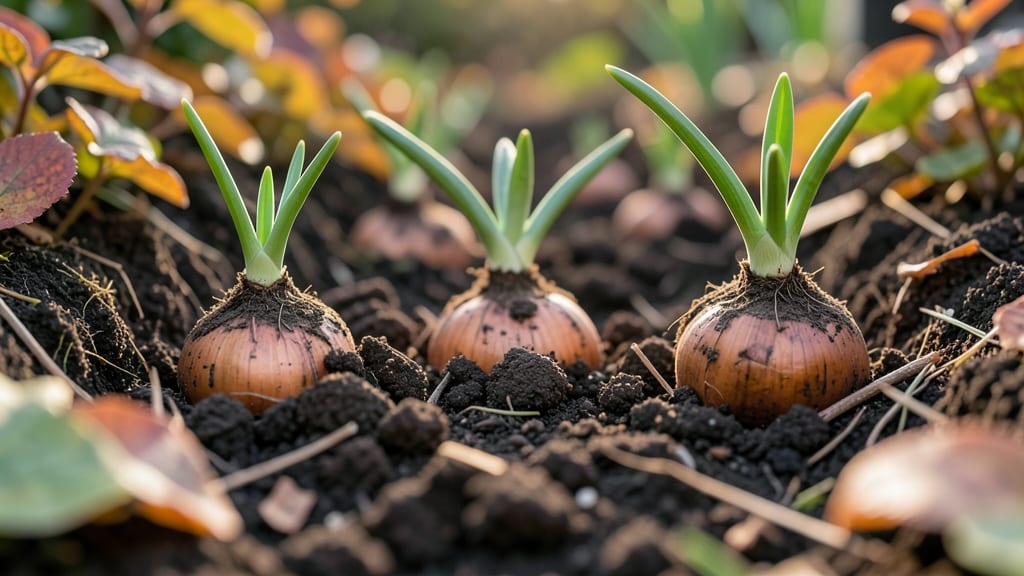
Discover how to plant sprouted lily bulbs without sacrificing next spring’s stunning blooms. These expert techniques ensure your bulbs thrive while preserving their growth potential for future seasons.
Planting Sprouted Lilies Immediately After Purchase
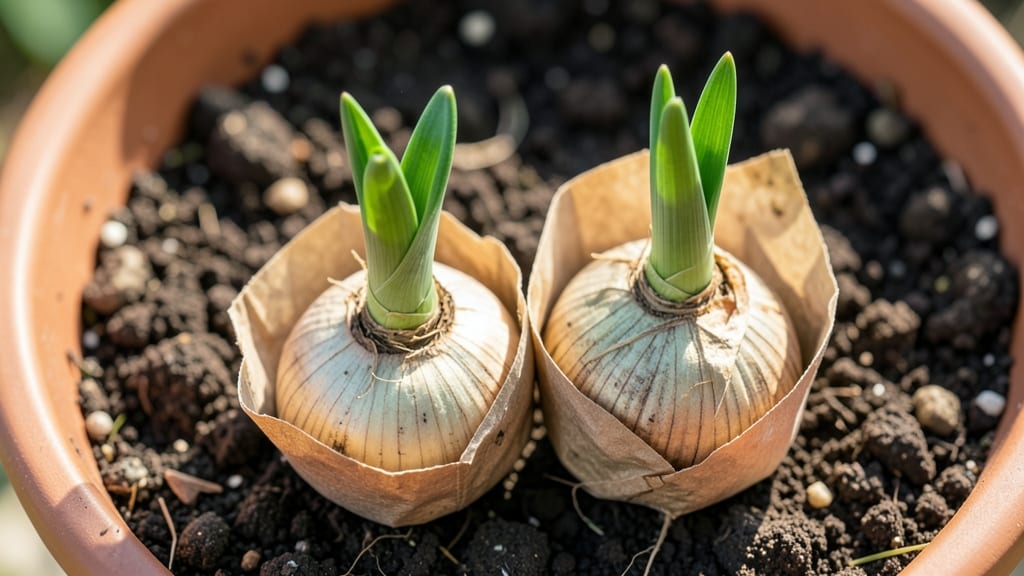
If your lily bulbs arrive with green shoots before you’re ready to plant, don’t wait! Planting them immediately encourages root growth before the bulb enters dormancy, setting the stage for stronger blooms next spring. This method works best for gardeners in mild climates where frost isn’t a concern.
Dig a hole twice as deep as the bulb’s height and place it with the sprouts facing upward. Gently backfill with soil, leaving just the top exposed to prevent rot. Water lightly to settle the soil, then mulch with straw or leaves to protect the delicate shoots from temperature swings. This approach gives roots a head start while keeping the bulb stable.
This strategy is perfect for early spring shoppers or those in warmer regions. By planting right away, you avoid transplant shock and ensure your lilies establish before summer heat arrives. 🌱
Temporary Pot Planting for Sprouted Bulbs
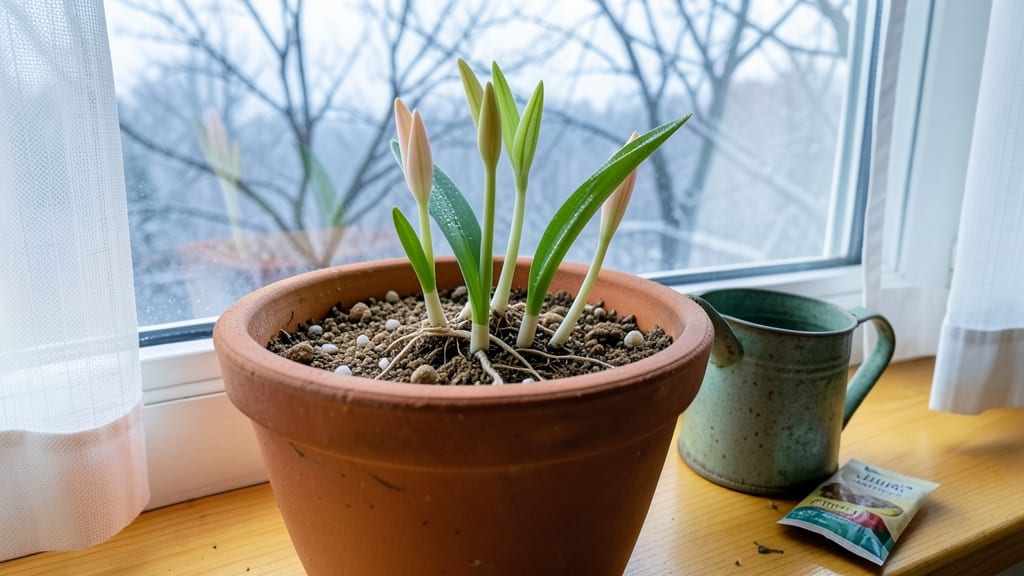
If frost is nipping at your heels but your lily bulbs have already sprouted, don’t panic—pots are your secret weapon. This temporary solution lets you nurture delicate shoots indoors or in a garage until spring, ensuring they arrive in your garden ready to bloom.
Fill a pot with well-draining soil and plant the bulb at its usual depth, leaving the sprout exposed. Place the pot in a bright, cool location (like a sunny windowsill or under grow lights) and water lightly when the top inch of soil dries. Once frost risk passes, transplant the entire pot into the garden and gently remove it, keeping the root ball intact to minimize shock.
This method is a lifesaver for urban gardeners or anyone with limited outdoor space—it buys time while protecting your investment. Your lilies will thank you with bigger, earlier blooms next season. 🌱
Layering Sprouted Bulbs for Spring Planting
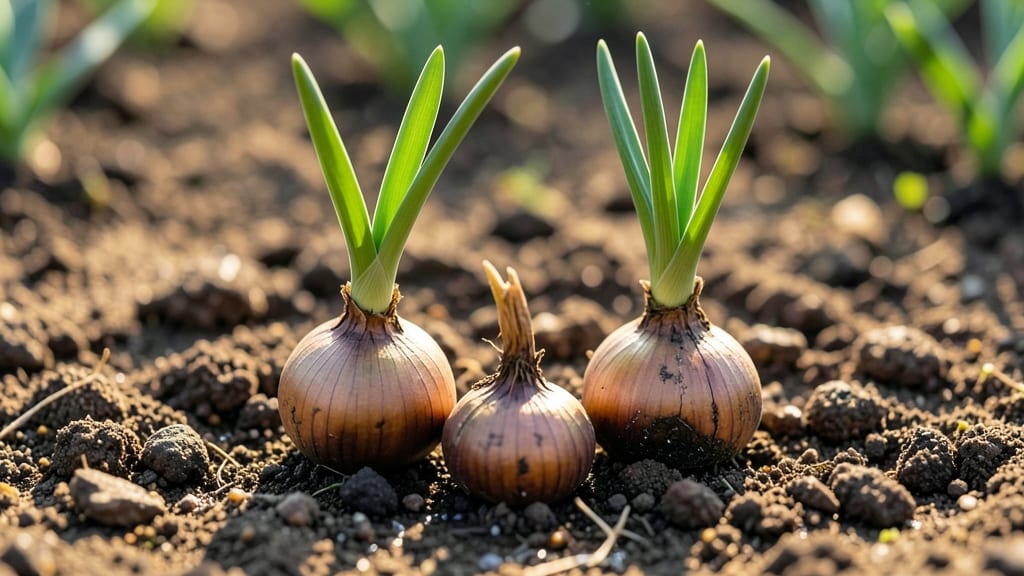
If you've got sprouted lily bulbs but aren't ready to plant them fully, this layering technique is your secret weapon. Instead of risking shock from full exposure, plant them partially now—covering just the bulb while leaving the sprout above soil—and finish burying them in fall when temperatures drop.
This method works by letting the sprout continue growing while the bulb gradually adjusts to dormancy. Use a loose, well-draining soil mix and mark the spot so you don’t forget. By autumn, simply add more soil to fully cover the bulb, protecting it from frost without disrupting established roots. It’s perfect for gardeners who want to avoid transplant shock while keeping their lilies on track for next season’s blooms.
This approach is ideal for cool-climate gardeners or those with unpredictable weather. By the time spring arrives, your lilies will be rooted and ready to burst into growth without a hitch. 🌱
Chilling Sprouted Bulbs to Mimic Winter
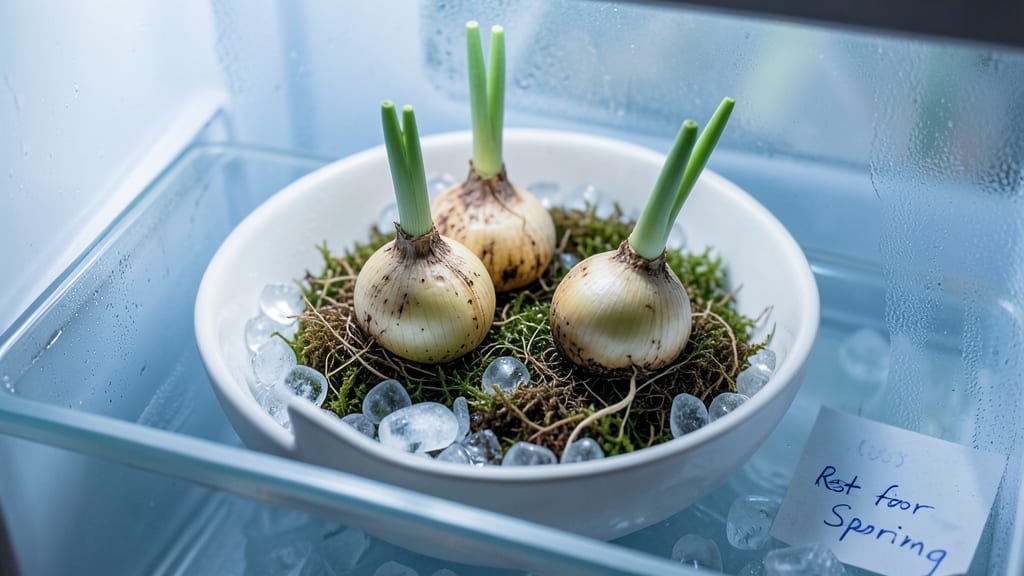
When your lily bulbs start sprouting months before planting season, don’t panic—simulate winter dormancy to reset their growth cycle. This simple cold storage trick tricks bulbs into thinking they’ve experienced a natural dormant period, preventing premature exhaustion and ensuring vibrant blooms next spring.
Wrap the sprouted bulb in a damp paper towel, place it in a sealed plastic bag, and store it in your refrigerator’s crisp drawer (around 34-40°F) for 6-8 weeks. Check periodically to ensure the towel stays moist but not soggy. This mimics the chilling period bulbs need to break dormancy naturally, preventing weak or stunted growth when you finally plant them.
This method is ideal for gardeners in warm climates or those who receive bulbs early in the season. It’s a lifesaver for tender lily varieties that struggle with early sprouting, giving you control over their growth timeline. 💡
Direct Soil Planting with Root Protection
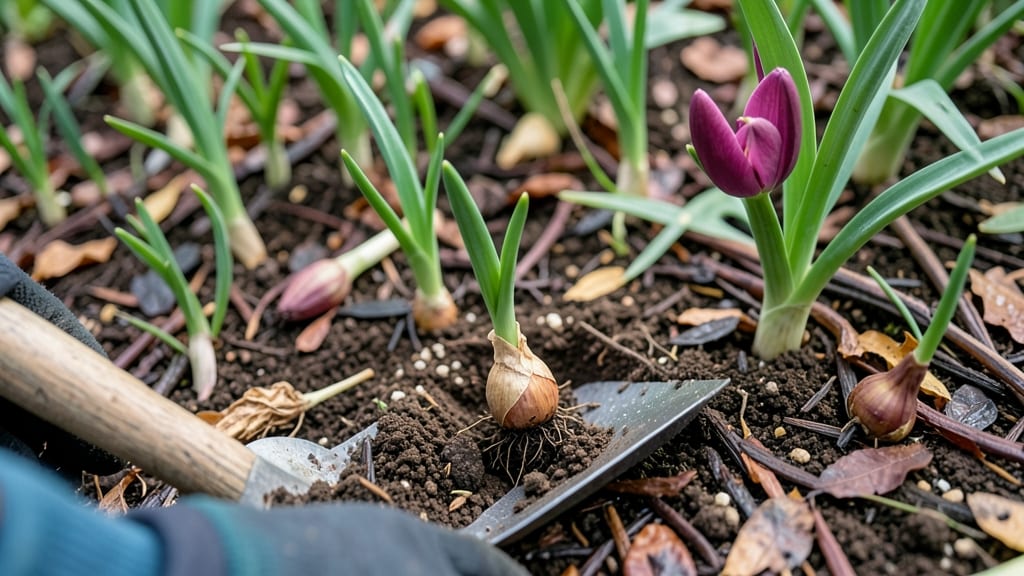
If your established garden already has sprouted lily bulbs peeking through the soil, you can skip the temporary fixes and plant them directly—with a twist. The key is burying them deeper than dormant bulbs (6–8 inches) to protect delicate roots from late-season temperature swings and frost.
After planting, apply a 3–4 inch layer of mulch (straw or shredded leaves work best) to insulate the soil and retain moisture. This method works especially well for hardy lilies like Asiatic or Oriental varieties, which can handle the extra depth. Just avoid over-mulching, as too much can suffocate the bulb.
This approach is ideal for gardeners with mature garden beds who want to minimize transplant shock while still ensuring next spring’s blooms. The extra depth and mulch act like a cozy blanket, shielding roots from winter’s worst fluctuations. 💚
Transplanting Sprouted Bulbs from Containers
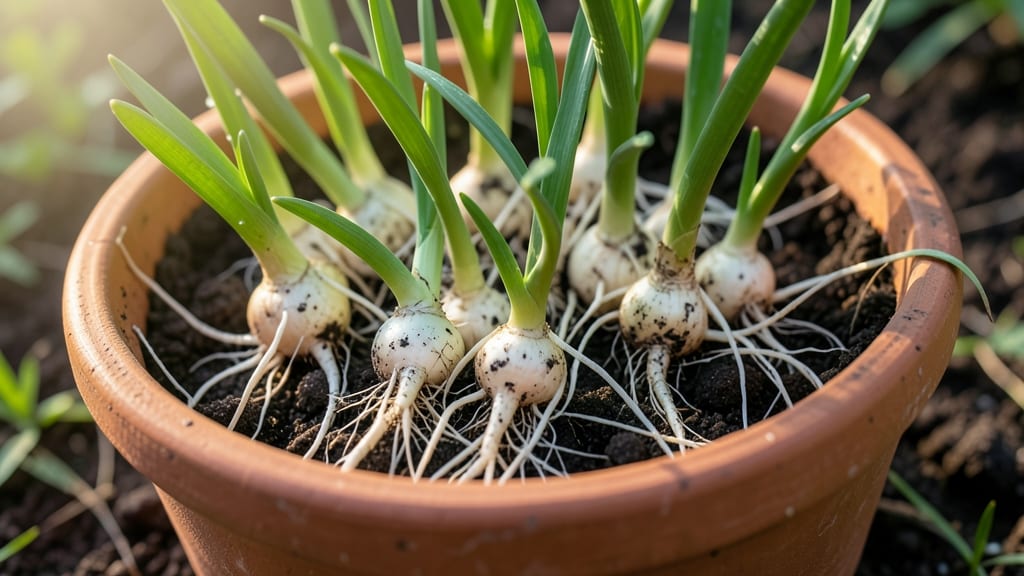
When your lily bulbs outgrow their pots, it’s time to move them outdoors—but rushing can shock their delicate roots. The key is timing: transplant once roots fully fill the container, signaling they’re ready to thrive in garden soil.
Start by watering the pot thoroughly the day before to loosen the root ball. Gently squeeze the sides to release the bulb, then place it in a pre-dug hole at the same depth it sat in the pot. Backfill with native soil and water deeply to settle roots. This method minimizes stress, ensuring your sprouted bulbs continue growing without setbacks.
Urban gardeners and container growers will love this approach—it’s perfect for small spaces where bulbs start indoors before moving to garden beds. Just avoid transplanting during heatwaves or frost. 🌱
Fertilizing Sprouted Bulbs for Strong Growth
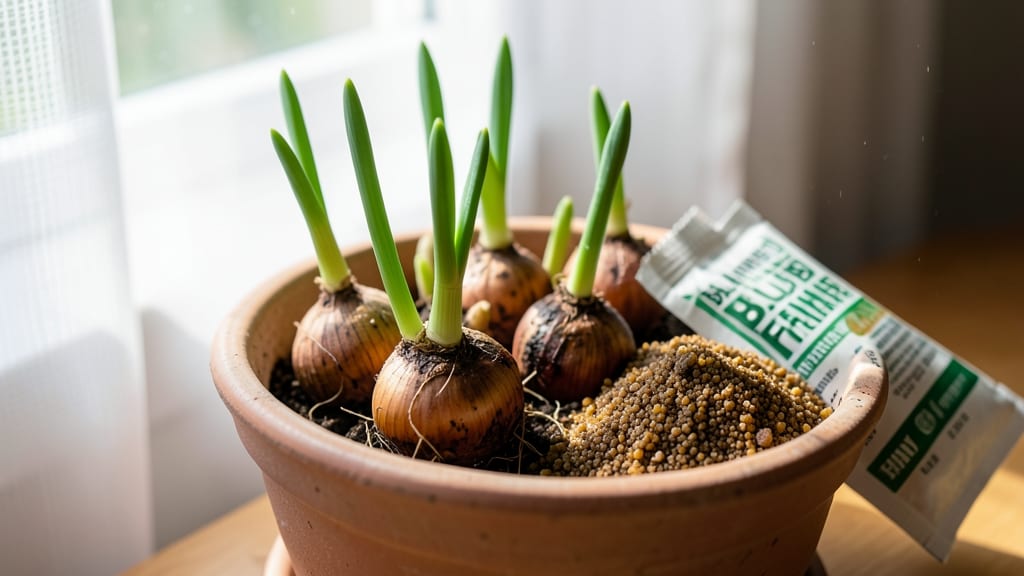
When your lily bulbs sprout before you're ready to plant them, a quick dose of fertilizer can make all the difference in their survival and future blooms. Unlike dormant bulbs, these early sprouts need nutrients to support their rapid growth, especially if they're planted outside their ideal fall or early spring window.
Use a balanced, water-soluble fertilizer (like 10-10-10) at half-strength to avoid burning delicate sprouts. Apply it directly to the soil around the bulb, keeping it at least 2 inches away from the sprout itself. Repeat every 4-6 weeks during the growing season to maintain steady energy for root and foliage development. This approach is particularly helpful for gardeners in warmer climates where bulbs may sprout prematurely.
This method ensures your bulbs build strength before dormancy, leading to vibrant blooms next season. It’s especially valuable for those who missed the traditional planting window but still want to salvage their investment. 💚