
Plants
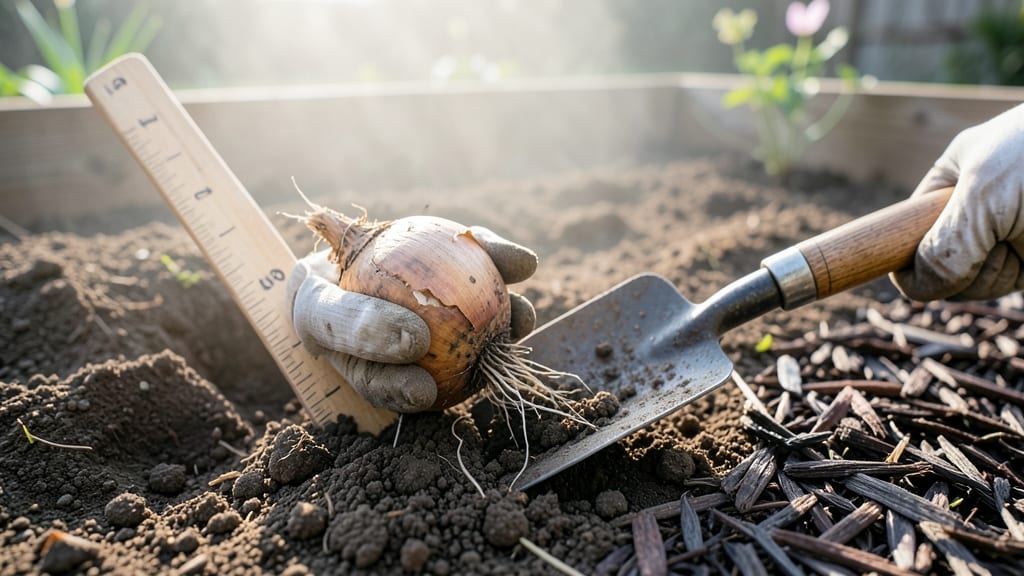
Plant Asiatic Lily bulbs in spring after the last frost date, when soil temperatures hit 60°F or warmer—this timing unlocks their bold summer blooms with minimal fuss.
Too early, and the bulbs rot in cold soil; too late, and you miss the 4-6 week window before summer heat sets in. I’ve seen stunted lilies from both mistakes, and trust me, you want those vibrant 🌸 spikes towering over your garden by July.
For USDA Zone 6a (and similar climates), aim for mid-April to early May—just as your last frost passes. Warmer zones can plant earlier, but the rule stays the same: wait for consistently warm soil and clear frost risk.
Below, I’ll walk you through exact zone-by-zone dates, soil prep tricks, and how to stage plantings for longer blooms—no guesswork, just showstopping results.
Best spring planting timeline for Asiatic lilies by US hardiness Zones
Timing your Asiatic lily bulbs perfectly in spring means the difference between vibrant summer blooms and disappointing flops. Since these hardy perennials thrive in warm soil but hate frost, planting too early risks cold damage, while waiting too long can delay flowering.
The key? Plant when soil temperatures hit 60°F+ and all danger of frost has passed.
Your USDA hardiness zone dictates the exact window—cooler northern climates (Zones 3-5) need to wait longer than mild southern regions (Zones 7-8). Even within the same zone, microclimates like valleys or coastal areas can shift your planting date by 2-4 weeks.
Let’s break down the zone-specific timeline so you can plant with confidence.
In Zones 3-4, where frosts linger into May, I recommend waiting until soil reaches 60°F consistently—use a soil thermometer to check. For these areas, black plastic mulch can warm the soil by 5-10°F faster, giving you a 2-week head start on planting.
In my Zone 4 garden, this trick helped my 'Pink Perfection' lilies bloom a full week earlier!
For Zones 5-6, aim to plant 4-6 weeks after your last frost date. This gives the soil time to thaw and warm up.
In the Pacific Northwest, where springs are damp and cool, I’ve found that planting in early May (even if frost-free) works best—waiting until mid-May risks stunted growth from lingering chill. Always test your soil’s moisture; soggy ground can rot bulbs before they sprout.
Southern gardeners in Zones 7-8 have the luxury of planting as early as March, but be cautious if late frosts are possible. I once planted 'Stella de Oro' lilies in early March in Georgia, only to lose half the bulbs to a 28°F dip in April.
Now, I cover new plantings with frost cloth until mid-April for safety. In Zone 9-10, plant by February, but prioritize well-draining soil—these areas often face heavy winter rains that can suffocate bulbs.
Regional quirks matter! For example, the Deep South (e.g., Alabama, Louisiana) can plant 6 weeks earlier than the Pacific Northwest (e.g., Oregon, Washington) due to warmer springs.
Even within a zone, elevation changes timing—mountainous areas in Zone 6 may need to wait until June, while valley floors can plant in April. Always check your local frost-free date and adjust by 2-3 weeks for safety.
Pro tip: If your soil is still below 55°F when you’re ready to plant, try pre-warming it with a cold frame or row covers
5 Signs your soil is ready for Asiatic lily bulbs (and what to do if it’s not)
Asiatic lilies thrive when planted in soil that’s warm, well-draining, and moist—but not soggy. Cold, compacted, or overly wet soil can stunt root growth and delay those showstopping summer blooms. Before you dig, check these key conditions to ensure your bulbs get off to the best start.
Spring planting success hinges on soil temperature, which should consistently stay above 60°F (15°C) for at least a week. This warmth signals the bulbs to break dormancy and sprout. If your soil is still chilly, even after the last frost, your lilies may rot before they bloom.
If your soil fails the temperature or drainage test, don’t rush planting. Cold soil can cause bulb rot, while poor drainage leads to root suffocation. Instead, prep the area by mixing in 2–3 inches of compost or aged manure to improve structure and fertility.
For clay-heavy soil, create raised beds or plant bulbs on mounds to encourage drainage. In regions with early spring rains, choose slightly elevated spots or use containers with drainage holes to prevent waterlogging.
Once your soil passes all five checks, plant bulbs 4–6 inches deep and 6–8 inches apart for optimal airflow. Water thoroughly after planting, and mulch with straw or shredded leaves to retain moisture and regulate temperature.
Remember: Patience pays off. Even if your soil isn’t perfect, amending it now will reward you with healthier lilies and bigger blooms next summer. 🌸