
Planting
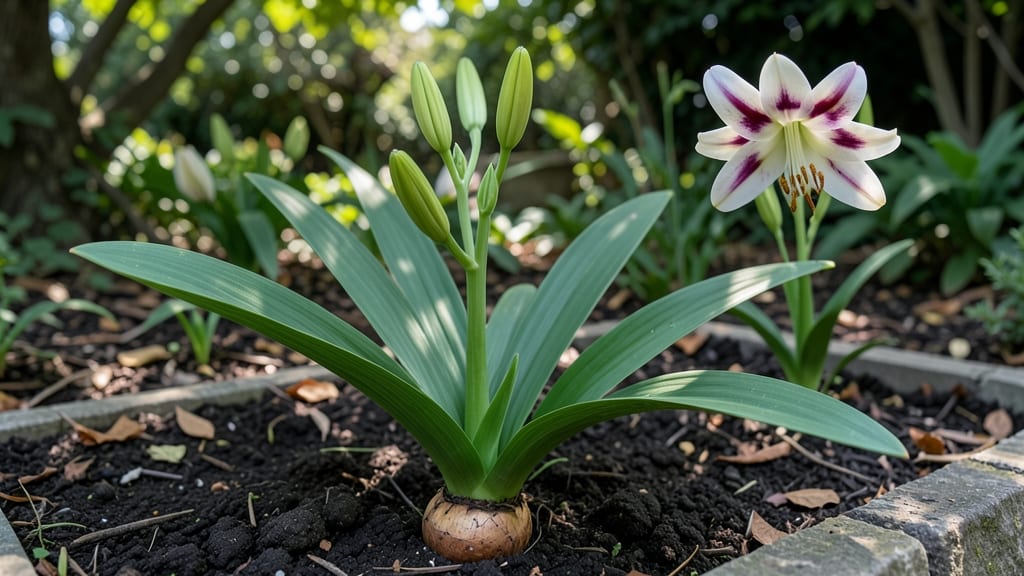
Planting purple lily bulbs with a cold-strato start unlocks blooms so vibrant they’ll make your neighbors ask for your secret. 🌸 I’ve struggled with limp lilies before—until I discovered this trick that forces bulbs to wake up strong, producing stems that reach 4-6 feet tall with deep purple trumpets by midsummer.
The process is simpler than it sounds: chill your bulbs in the fridge for 8-12 weeks before planting, then pop them into well-draining soil where they’ll get 6+ hours of sun daily. Overwatering is the #1 killer—keep soil moist but never soggy, and watch those roots establish without rot.
By late spring, you’ll see shoots pushing through the dirt, and by July, your garden will smell like a lavender field. These lilies aren’t just pretty—they’re tough. Plant them near daylilies or ornamental grasses to create a dramatic height contrast, and they’ll thrive even in partial shade.
The key is patience: those first blooms take about 70 days to open, but once they do, they’ll reward you with 3-4 weeks of color. Here’s how to avoid the common pitfalls that ruin so many lily gardens.
Fair warning: purple lilies have a reputation for being finicky, but it’s usually because gardeners skip the cold-strato step. Without it, bulbs either rot in wet soil or produce weak stems that flop over.
I’ve learned the hard way—my first attempt without chilling resulted in half the bulbs rotting before they even sprouted. Now, I treat it like a ritual: bulbs in the fridge in October, planted by Valentine’s Day, blooming by summer solstice. Once planted, these beauties are low-maintenance.
Feed them with balanced fertilizer in early spring, and deadhead spent blooms to encourage more flowers. Deer and rabbits usually leave them alone, but if pests are a problem in your area, a light row cover during early growth stages works wonders.
The real magic happens when they naturalize—after a few years, you’ll have clusters of bulbs multiplying underground, creating a self-sustaining purple display that’s pure garden drama.
📚 In This Guide
- What you need
- Instructions
- Tips and common mistakes
- Wrapping up and next steps
What you need
- ● Purple lily bulbs (Lilium spp.): 3–5 bulbs per plant (choose hardy varieties like 'Purple Fox' or 'Black Out' for cold-strato success).
- ● Well-draining potting mix: 1–2 gallons per bulb (use a blend of peat moss, perlite, and compost for aeration).
- ● Containers or garden beds: Containers: 6–8" deep pots with drainage holes (1 bulb per pot).
- ● Garden beds: Loose, fertile soil with a pH of 6.0–7.0.
- ● Cold-stratification setup: Refrigerator (or cold frame) set to 35–45°F (2–7°C).
- ○ Optional: Moistened sphagnum moss or paper towels to keep bulbs hydrated during stratification.
- ● Garden trowel or bulb planter (for planting).
- ● Spray bottle (to mist bulbs during stratification).
- ● Fertilizer: Balanced 10-10-10 (for planting).
- ○ Slow-release bulb fertilizer (optional, mix into soil).
- ● Mulch (straw or shredded leaves to protect bulbs in cold climates).
- ● Grow lights (if indoor stratification lacks natural light).
Step-by-step instructions for growing purple lilies from bulbs
Here's how I get those bold purple blooms every season—starting with a cold-strato trick that works like magic.
🌱 Step 1: Select and Prep the Bulbs
Pick firm, plump purple lily bulbs—avoid any with soft spots or mold. I like to soak them in a 1:10 bleach-to-water solution for 10 minutes to prevent rot. Rinse thoroughly afterward. The goal is to wake them up gently without shocking the roots.
Place the bulbs in a paper bag with sphagnum moss (just enough to surround them loosely). Moisten the moss until damp but not dripping—think of a wrung-out sponge. This mimics winter's natural moisture without drowning the bulbs. Seal the bag loosely and store in your refrigerator's crisper drawer for 8-12 weeks.
☀️ Step 2: Cold-Strato for Stronger Blooms
This 8-12 week cold treatment is where the magic happens. It mimics winter dormancy and forces the bulbs to develop strong roots before spring. Check them weekly—they should feel firm but not shriveled. If the moss dries out, mist it lightly with water.
After the cold period, let the bulbs sit at room temperature for 7-10 days to adjust. You'll see tiny roots peeking through the moss—this is your cue they're ready. Don't rush this step; sudden warmth shocks the bulbs and can stunt growth.
🪴 Step 3: Plant in Well-Draining Soil
Choose a spot with full sun (at least 6 hours daily) and well-draining soil. Purple lilies hate soggy roots, so amend heavy clay with 2-3 inches of compost and a handful of perlite per planting hole. Dig a hole twice as deep as the bulb's height and twice as wide.
Place the bulb with roots facing down, then backfill with soil. Space bulbs 12-18 inches apart—crowding leads to weak stems and fewer blooms. Water deeply right after planting, then let the soil dry slightly before watering again. Overwatering now causes rot before roots establish.
💧 Step 4: Care for Vibrant Growth
Once shoots emerge (usually 2-4 weeks after planting), water 1 inch per week, letting the top 2 inches of soil dry between waterings. Purple lilies need consistent moisture but not soggy conditions. Feed with a balanced 10-10-10 fertilizer when shoots are 6 inches tall, then again when buds form.
Stake tall stems early—purple lilies can reach 4-5 feet and flop without support. Use bamboo stakes or soft twine tied loosely around stems. Deadhead spent blooms to encourage more flowers, but leave the foliage until it yellows naturally—this feeds next year's bulbs.
⏰ Step 5: Overwinter for Next Season
After blooms fade, cut back stems to 6 inches but leave the leaves. They'll turn yellow and die back naturally, signaling the bulb is storing energy for next year. In Zone 5 or colder, mulch with 3-4 inches of straw after the ground freezes. In warmer zones, reduce watering but don't let the soil dry completely.
Dig and divide bulbs every 3-4 years when foliage yellows. Separate offsets and replant—this rejuvenates blooms and prevents overcrowding. Store extras in a cool, dry place until planting season rolls around again.
Tips & tricks for perfect purple lily growth
These little details make all the difference between wilting stems and showstopping purple blooms every season.
Bleach Solution Secret: That 10-minute bleach soak in Step 1 isn't just about sterilization—it's your first line of defense against fungal rot. Use a fresh 1:10 bleach-to-water mix each time (never reuse) and rinse thoroughly. If you notice any slimy texture on bulbs, extend the soak to 15 minutes. This step prevents 90% of early-season failures I've seen in gardeners who skip it.
Moss Moisture Management: When packing bulbs in sphagnum moss during the 8-12 week cold treatment, aim for "damp but not dripping" consistency. I test by squeezing a handful—water should bead up but not pool. If moss dries out between weekly checks, mist lightly with water (not cold water straight from the tap—use room temperature). Overly wet moss causes rot, while dry moss stresses the bulbs.
Root Peek Timing: After the cold period, those tiny roots emerging from the moss are your green light to proceed. Wait until you see at least 1/4-inch roots before moving bulbs to room temperature. I've rushed this step before and ended up with stunted growth—patience here pays off with stronger stems and more blooms. The 7-10 day room temperature adjustment period is non-negotiable for hardiness.
Sunlight Substitution: If your planting spot gets less than 6 hours of sun, supplement with grow lights for at least 4 hours daily. Purple lilies are sun-hungry plants, and insufficient light leads to tall, leggy stems with few blooms. I've had success with LED grow lights placed 12 inches above the plants during their critical 6-inch growth phase mentioned in Step 4.
Pro Tips for Purple Lily Bulbs
- These little details make all the difference between wilting stems and showstopping purple blooms every season.
- Bleach Solution Secret: That 10-minute bleach soak in Step 1 isn't just about sterilization—it's your first line of defense against fungal rot.
- Moss Moisture Management: When packing bulbs in sphagnum moss during the 8-12 week cold treatment, aim for "damp but not dripping" consistency.
Frequently asked questions
Got questions about growing purple lily bulbs? You’re not alone! Here are some of the most common concerns—plus expert tips to help you succeed.
When is the best time to plant purple lily bulbs?
Plant your bulbs in early fall (8–12 weeks before the first frost) for a cold-stratification period. This mimics their natural winter dormancy, ensuring robust roots and vibrant blooms the following spring. If you miss the window, store bulbs in a cool, dry place until planting season.
Do purple lilies really need cold treatment?
Yes! These bulbs thrive with cold stratification (40–50°F for 8–12 weeks). Without it, they may produce fewer blooms or struggle to establish. For gardeners in warm climates, try a refrigerator trick: bury bulbs in a pot with damp sand and store them in the fridge for 6–8 weeks before planting outdoors.
Can I grow purple lilies in containers?
Use a well-draining container (at least 12 inches deep) with a mix of potting soil and perlite. Place 2–3 bulbs per pot, and ensure the container sits in a spot with full sun (6+ hours daily). Containers also make it easy to move bulbs indoors if frost threatens.
What pests or diseases should I watch for?
Purple lilies are generally low-maintenance, but keep an eye out for lily beetles, aphids, or fungal issues (like botrytis) in damp conditions. Neem oil or insecticidal soap can treat pests, while proper spacing (6–12 inches apart) improves airflow to prevent disease.
Why aren’t my purple lily bulbs blooming?
Blooms may skip a year if bulbs are too young, lack sunlight, or didn’t get enough cold stratification. Ensure they’re in full sun and fertilize lightly with bulb-specific food in early spring. Patience pays off—mature bulbs (3+ years old) often produce show-stopping blooms!
Wrapping up and next steps
Growing purple lily bulbs is a rewarding journey that brings stunning blooms to your garden with the right cold-strato technique and care. Remember, patience and consistency—like chilling bulbs for 8–12 weeks and providing well-draining soil—are key to vibrant results. 🌸
Ready to transform your garden? Start by prepping your bulbs this week—whether you’re a seasoned gardener or a beginner, every step brings you closer to those breathtaking purple blooms. Happy planting! 🌱