
Planting
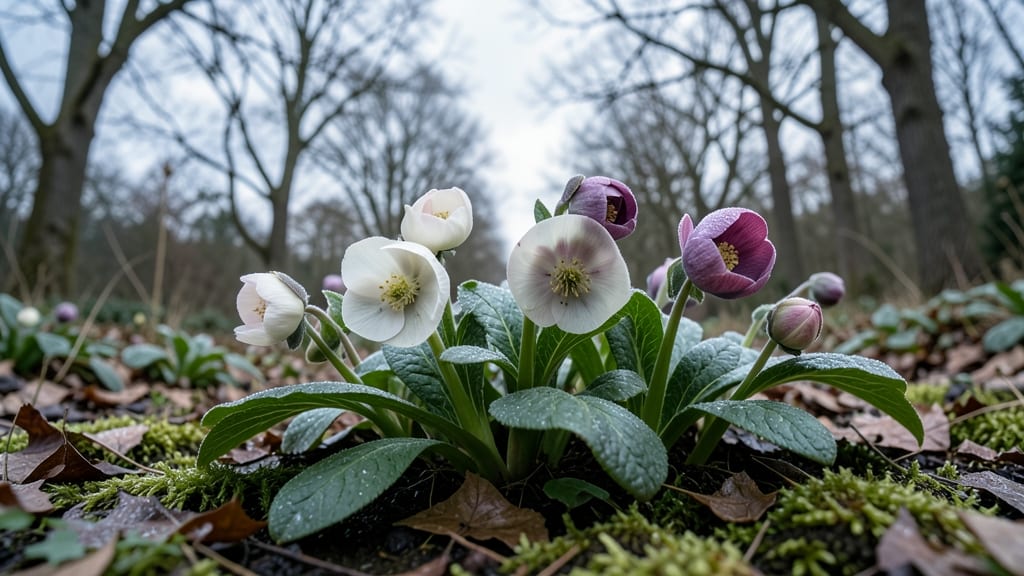
Fall is the perfect time to plant shade-loving bulbs that promise vibrant spring blooms with minimal sunlight. These 10 fast-blooming varieties thrive under trees, along north-facing walls, or in woodland gardens where sun-starved plants often struggle.
Snowdrops for Early Winter Interest
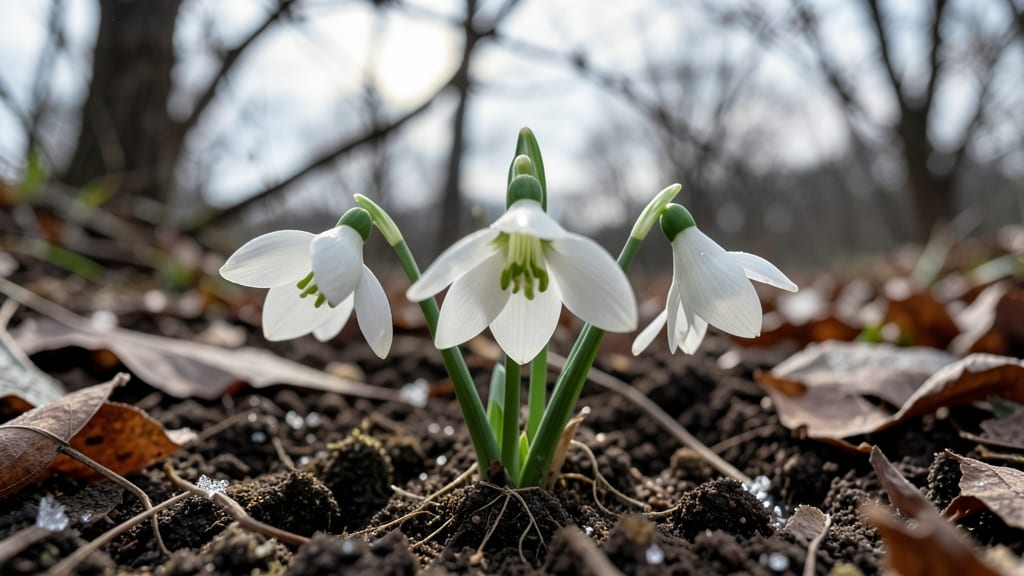
If you crave color when most gardens are still asleep, snowdrops are your secret weapon—these delicate blooms often emerge through snow or icy soil, signaling spring’s arrival with their cheerful white faces. Unlike many bulbs that demand sunlight, snowdrops thrive in deep shade, making them perfect for under trees, along fences, or in woodland gardens where other plants struggle.
Plant them in well-draining soil 3–4 inches deep and 2–3 inches apart in fall (September–October). Their self-seeding habit means they’ll naturalize over time, creating dense, ever-expanding colonies that multiply yearly. Once established, they’re nearly maintenance-free, blooming reliably in late winter or early spring when little else is in flower.
Perfect for beginners or busy gardeners, snowdrops add early pollinator support and timeless elegance to shady spots. Their ability to spread effortlessly makes them a low-effort, high-reward choice for any garden. 🌱
Bleeding Heart Hosta Bulbs
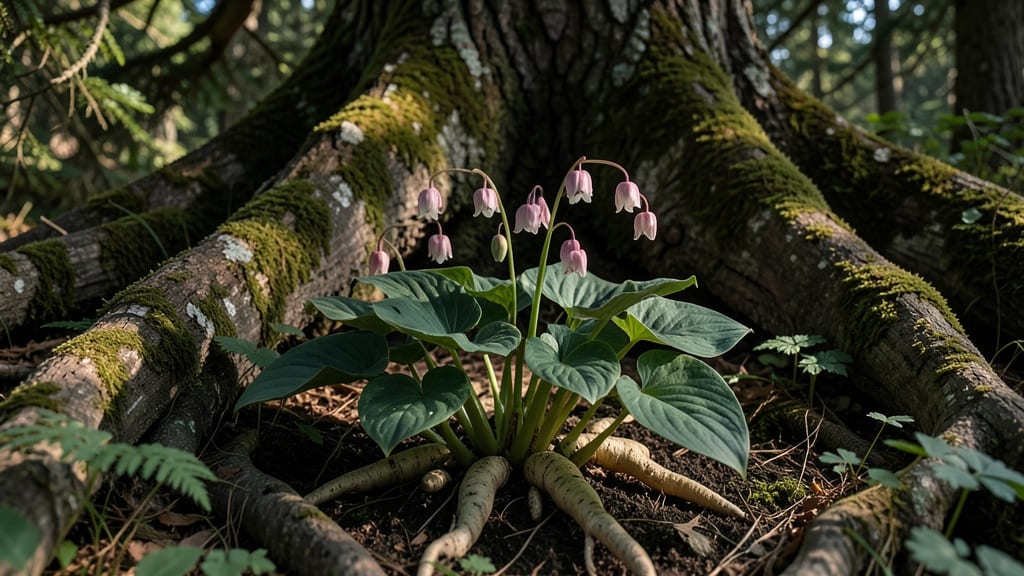
If you’ve ever struggled to grow anything under the dense canopy of mature trees, bleeding heart hosta rhizomes are your secret weapon. Unlike true bulbs, these hardy rhizomes produce stunning heart-shaped foliage and delicate pink blooms that thrive where most plants fail—even in dry shade where sunlight barely reaches.
Plant these rhizomes in well-draining soil mixed with organic matter, spacing them 12–18 inches apart. They prefer moist but not soggy conditions, making them ideal for woodland gardens or under deciduous trees. Mulch lightly to retain moisture and suppress weeds, and watch as they spread slowly but reliably over time. Their arching blooms in late spring add vertical interest to shady borders.
Perfect for gardeners who want low-maintenance beauty under trees, bleeding heart hostas also deter deer and rabbits, making them a practical choice for problem areas. 🌿
Crocus for Woodland Gardens
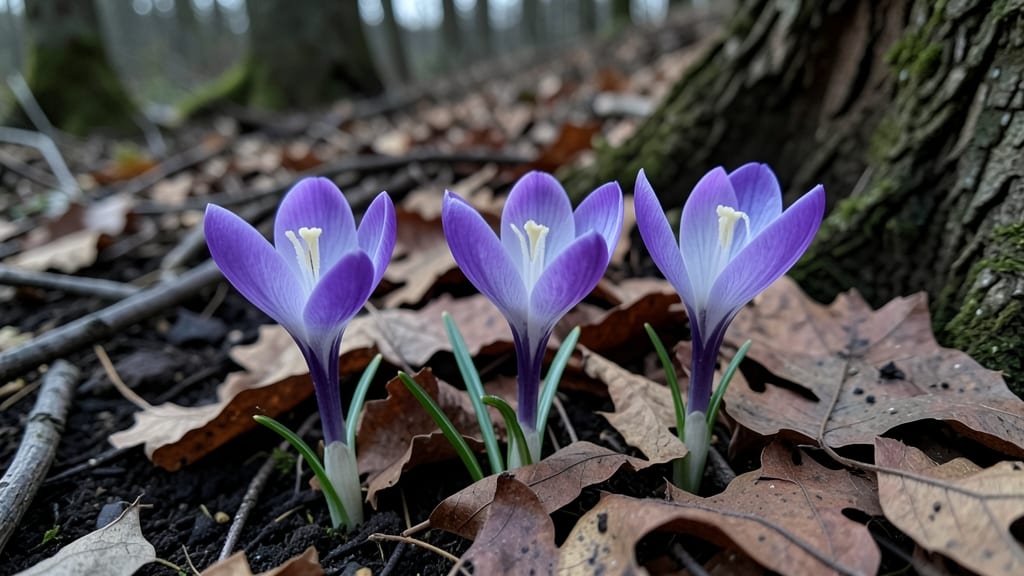
If your garden has dark corners where most plants refuse to thrive, woodland crocuses are your secret weapon. These hardy bulbs burst through leaf litter in late winter or early spring, turning shadowy spots into vibrant pollinator magnets before other flowers even think about blooming.
Plant crocus corms 3-4 inches deep in well-draining soil from September to November, and they’ll reward you with fast-growing blooms in just 6-8 weeks. Choose varieties like Crocus tommasinianus (purple) or Crocus vernus (white) for reliable shade tolerance, and pair them with ferns or hellebores for a layered woodland effect. Their early flowers provide critical nectar for bees emerging from hibernation.
Perfect for beginner gardeners or urban spaces with limited sun, woodland crocuses prove that even the shadiest spots can sparkle with life. 🌱
Tulipa Sylvestris Wild Tulips
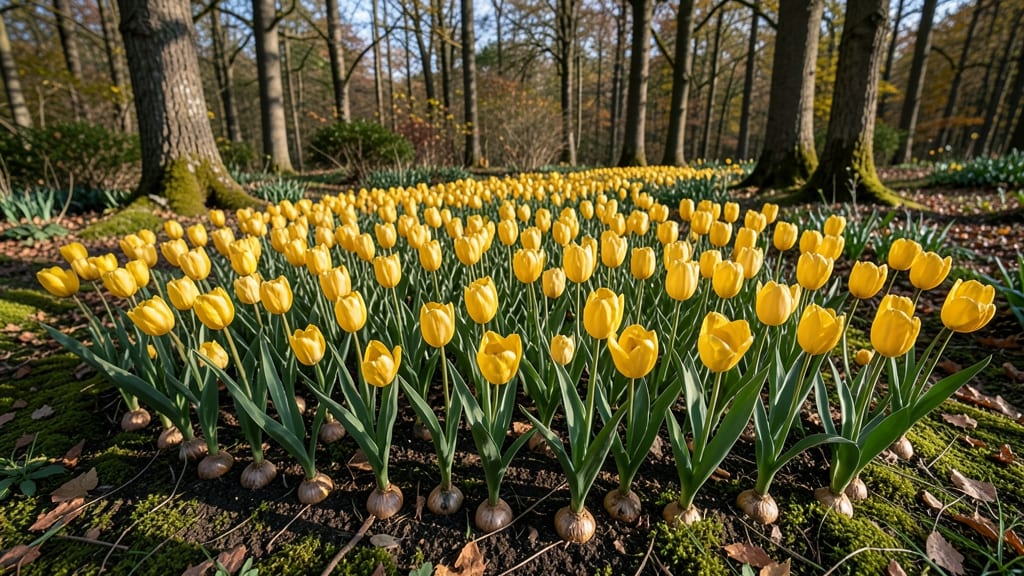
If you’ve ever wished for a low-maintenance tulip that thrives where others fail, Tulipa sylvestris is your answer. Unlike fussy hybrid tulips, this wild European native blooms reliably in partial shade, naturalizing over time to create cheerful drifts of golden-yellow flowers.
Plant bulbs 6–8 inches deep in well-draining soil from fall through early winter. They prefer moist but not soggy conditions, making them ideal for woodland edges or under deciduous trees. Once established, they’ll multiply and return year after year with almost no effort—perfect for gardeners who want beauty without the upkeep.
These tulips are especially rewarding for those with shady spots that struggle to support other bulbs. Their early spring blooms also provide vital nectar for emerging pollinators. 🌻
Allium Globemaster for Dramatic Height
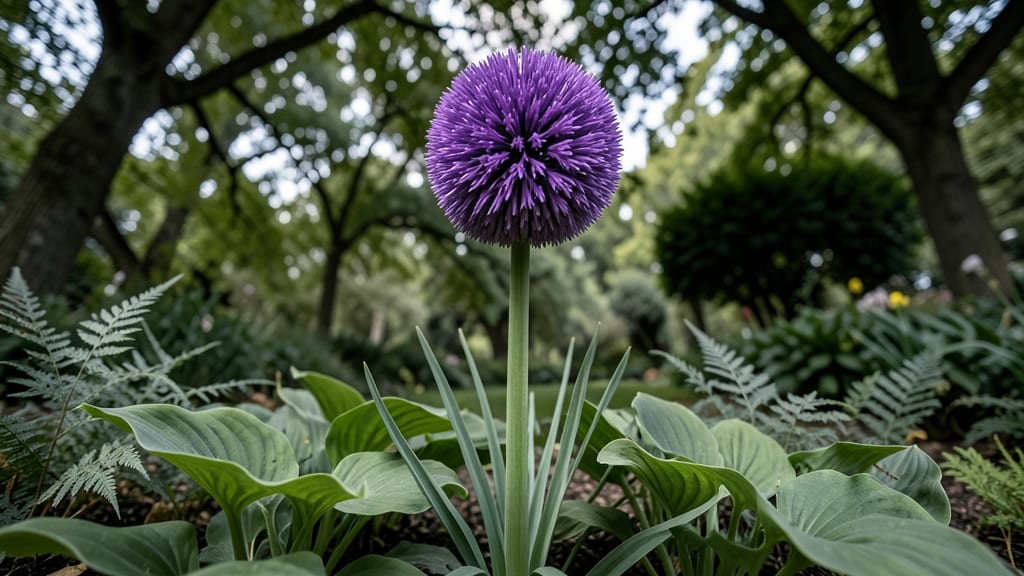
Looking to add dramatic vertical interest to your shade garden without sacrificing those precious sun-starved spots? The Allium Globemaster is your secret weapon—a towering orb of purple that reaches 3-4 feet tall, making it the perfect focal point among ferns, hostas, and other low-growing shade plants.
This drought-tolerant bulb thrives in partial to full shade, producing its signature globe-shaped blooms in late spring to early summer. Plant bulbs 6 inches deep and 8 inches apart in well-draining soil, and watch as they emerge like purple fireworks against dark foliage. Their spherical blooms also attract pollinators, adding extra life to your garden.
Perfect for urban gardeners with limited space or woodland gardeners craving height, the Allium Globemaster delivers bold color with minimal fuss. 🌟
Muscari for Blue Shade Accents
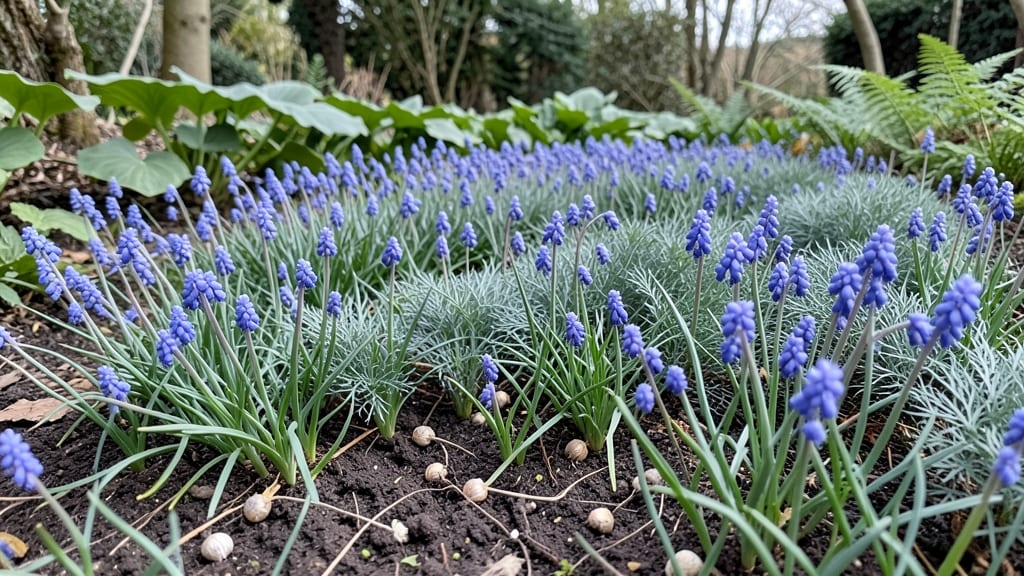
Looking for a cool blue pop of color in your shade garden? Muscari, or grape hyacinths, are the perfect solution. These low-maintenance bulbs thrive in partial to full shade and naturalize effortlessly, spreading over time to create stunning drifts of blue.
Plant them in well-drained soil in early fall, about 6 inches deep and 4-6 inches apart. They’ll reward you with dense, bottlebrush-like flower spikes in spring that add height and texture to woodland gardens, borders, or even containers. Unlike some shade bulbs, muscari are deer-resistant and drought-tolerant once established.
Perfect for beginners or busy gardeners, muscari bring effortless elegance to shady spots where other plants struggle. Their cheerful blue blooms also attract pollinators early in the season. 💚
Fritillaria Imperialis for Luxurious Bloom
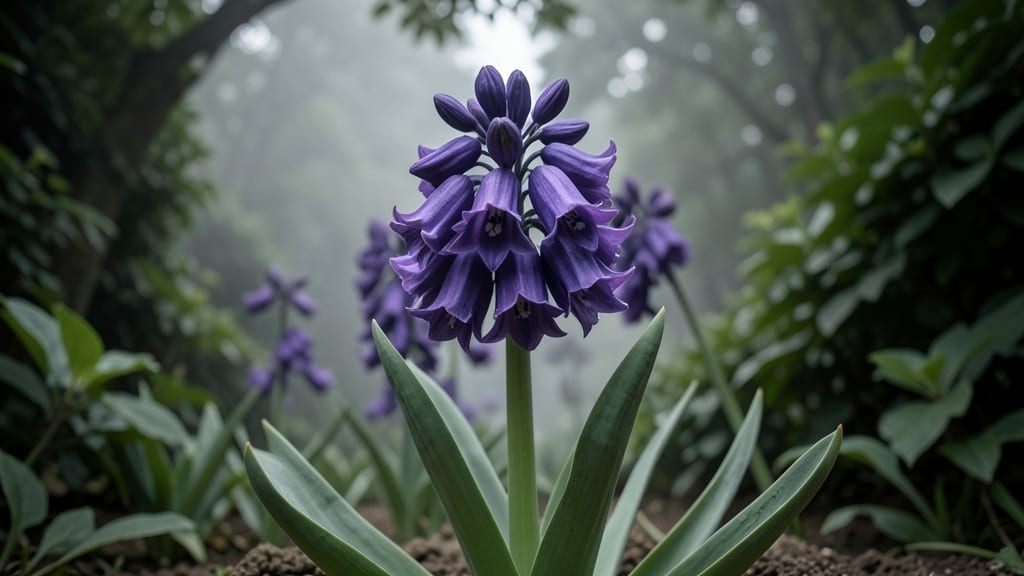
If you crave a dramatic centerpiece that feels like a rare treasure in your shade garden, Fritillaria imperialis—or crown imperial—delivers with its exotic, bell-shaped blooms in deep purple. This bulb thrives where others falter, flourishing in partial shade and well-drained soil, making it ideal for understory plantings or woodland edges.
Plant the bulbs in fall, burying them 6-8 inches deep with the pointed end up. Their striking, nodding flowers appear in late spring, often reaching 3 feet tall, and their fragrant blooms attract pollinators while adding a touch of opulence. Just be mindful of their toxic foliage—keep it away from pets or curious children.
Perfect for gardeners who love a statement plant, crown imperials reward patience with their bold, almost regal presence. 🌻
Lungwort for Medicinal Shade Beauty
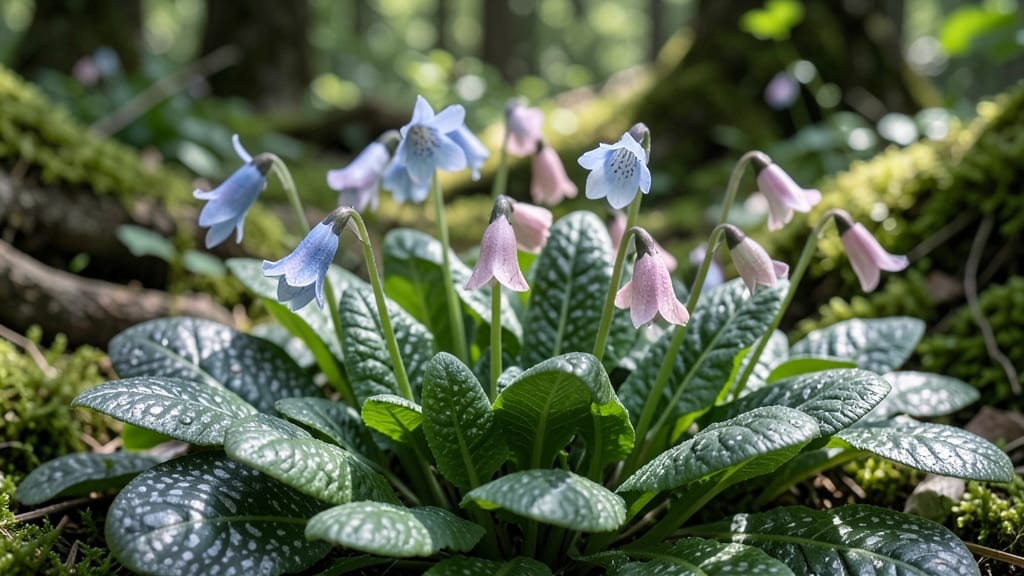
If you're looking for a shade garden that’s as functional as it is beautiful, lungwort (Pulmonaria) is your secret weapon. This underrated perennial delivers silver-spotted foliage that transitions to green, paired with delicate blue or pink flowers—plus, it has a fascinating history as a medicinal plant.
Plant lungwort in fall for early spring blooms, and it thrives in partial to full shade, making it ideal for woodland gardens or under trees. Its self-seeding habit means it spreads naturally, creating lush ground cover with minimal effort. Bonus: The spotted leaves add visual interest even when not in bloom.
Perfect for gardeners who love low-maintenance, multi-season interest, lungwort is especially rewarding for those with shady spots where other plants struggle. 🌿
Daffodil Ice Follies for Unique Color
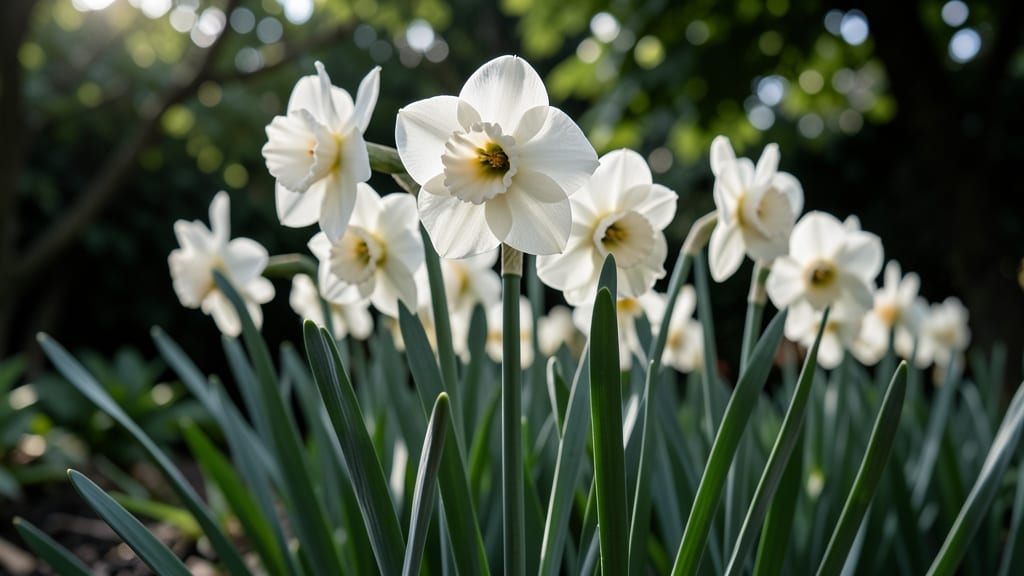
If you crave daffodils but dread the yellow-only palette, Ice Follies delivers a stunning alternative with pure white petals and golden centers—perfect for brightening shady corners. These architectural blooms stand tall (up to 24 inches) and thrive in partial shade, making them ideal for understory plantings or north-facing beds.
Plant bulbs in well-drained soil 6 inches deep in fall (October-November), spacing them 4-6 inches apart. Their late-spring blooming (April-May) ensures they outlast frost-sensitive varieties, while their disease-resistant nature means fewer worries about common daffodil pests. The striking contrast of white and yellow adds drama to woodland gardens or containers.
Urban gardeners and small-space growers will love how Ice Follies perform in containers—just ensure pots have drainage holes. Their bold, sculptural form elevates any shade garden with minimal effort. 🌟
Hellebore for Winter and Spring Blooms

When your garden feels like a winter monochrome, hellebores (or Lenten roses) burst onto the scene with their delicate blooms, often appearing as early as February. Unlike spring ephemerals that vanish quickly, these shade-loving perennials provide months of color—from late winter through spring—when most other plants remain dormant.
Plant these hardy perennials in fall for a head start, placing them in partial to full shade where they’ll thrive under trees or on north-facing walls. Their evergreen foliage adds texture year-round, while their nodding flowers in shades of white, pink, and purple attract early pollinators. Just ensure well-draining soil to prevent rot, and deadhead spent blooms to encourage more flowers. 💚