
Planting
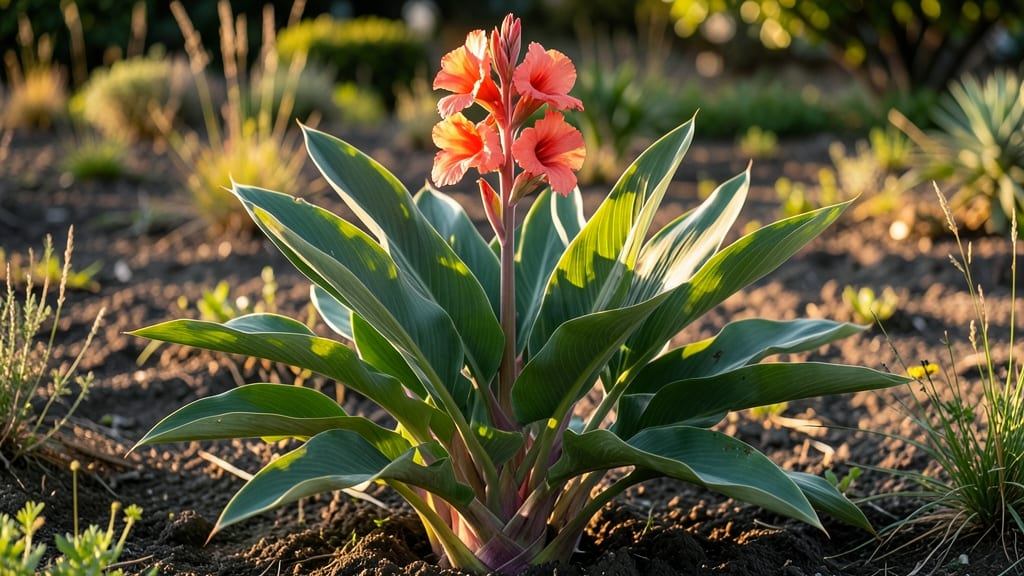
Tropicanna canna lily bulbs bring shockingly lush tropical drama to your garden—those deep burgundy leaves look like they belong in a jungle, not your backyard. 🌿 I planted mine last spring, and by summer, they outshone every other plant in my shade garden, even in Zone 9 heat.
The secret isn’t fancy: these bulbs thrive in rich, moist soil with morning sun and afternoon shade, and they’ll reward you with 6-foot-tall foliage that stays vibrant all season. Unlike fussy tropicals, they’re tough enough to handle occasional dry spells and even attract hummingbirds to their summer blooms.
You’ll spend less time fussing and more time admiring how they transform dull spaces—think dramatic borders, striking containers, or even as a living privacy screen. The only catch? They’re not cold-hardy, so winter prep matters (more on that later).
Perfect for gardeners who want high-impact, low-maintenance tropical vibes without the fuss. Let’s get those bulbs planted right!
📚 In This Guide
- What you need
- Instructions
- Tips and common mistakes
- Wrapping up and next steps
What you need
- ● Tropicanna Canna Lily bulbs: 3–5 bulbs (depending on desired fullness; spacing ~12–18 inches apart).
- ● Well-draining potting mix: 1–2 bags (for containers) or enriched garden soil (for in-ground planting). Pro tip: Mix in compost or aged manure for nutrient-rich soil! 🌱
- ● Organic fertilizer (balanced 10-10-10 or slow-release): 1–2 cups per planting area.
- ● Garden trowel or transplant spade: For digging holes (6–8 inches deep).
- ● Watering can or hose with gentle spray nozzle: Cannas love moisture but hate soggy roots!
- ○ Mulch (optional but recommended): Straw or shredded bark to retain moisture and regulate soil temp.
- ● Container with drainage holes: 12–18" diameter pot (for patio or balcony gardening).
- ● Epsom salt (magnesium sulfate): 1 tbsp per bulb to boost foliage vibrancy.
- ● Plant supports (bamboo stakes or trellis): If your variety grows tall (e.g., ‘Striped’ or ‘Purpurea’).
- ● Soil moisture meter: To check humidity levels—cannas thrive in consistently damp (not waterlogged) soil. 💧
- ● Slow-release plant food tablets: For hassle-free feeding during the growing season.
Step-by-step guide to planting and cultivating Tropicanna canna lily bulbs
Here's how to transform those striking Tropicanna canna lily bulbs into a bold, tropical statement in your garden.
🌱 Step 1: Select and Prepare the Planting Site
Choose a location with full sun to partial shade—Tropicanna thrives with at least 6 hours of direct sunlight daily. The soil should be rich, well-draining, and amended with plenty of organic matter. I always mix in 3-4 inches of compost to ensure the bulbs have the nutrients they need for their dramatic foliage.
Dig a hole 2-3 inches deeper than the bulb's height and 2-3 times wider than the bulb itself. This gives the roots plenty of room to spread and establish before the foliage emerges. If your soil drains poorly, add a layer of perlite or coarse sand to improve drainage—canna lilies hate soggy roots.
🪴 Step 2: Plant the Bulbs Correctly for Strong Growth
Place the bulb in the hole with the top half exposed—this is key for Tropicanna's bold foliage. The top of the bulb should sit just above the soil line, as it needs light to encourage strong shoot development. Gently firm the soil around the bulb, but don't pack it down too tightly—roots need air and space to grow.
Space bulbs 18-24 inches apart to allow for their wide, lush leaves. If you're planting in containers, use pots at least 12 inches wide and deep—canna lilies are heavy feeders and need room to grow. Water deeply right after planting to settle the soil and encourage root contact.
☀️ Step 3: Provide Consistent Water and Fertilizer
Water your Tropicanna canna lilies 1-2 inches per week, keeping the soil consistently moist but not waterlogged. You'll know it's right when the top inch of soil feels damp to the touch. Mulch around the base with 2-3 inches of organic mulch to retain moisture and regulate soil temperature—this is especially important in hot climates.
Feed every 4-6 weeks with a balanced, water-soluble fertilizer (10-10-10 or similar) to fuel that vibrant foliage. I like to mix in a handful of banana peels or coffee grounds occasionally—the potassium boosts their dramatic color and growth. Stop fertilizing in late summer to allow the plant to prepare for dormancy.
✂️ Step 4: Prune and Support for Peak Performance
Remove any yellow or damaged leaves as they appear to keep the plant looking its best. If stems become too tall or flop over, gently tie them to stakes or use decorative garden stakes to support the foliage. Tropicanna canna lilies can grow 5-6 feet tall, so providing support early prevents them from sprawling.
Deadhead spent blooms by pinching them off at the base—this redirects the plant's energy into stronger foliage growth rather than seed production. In fall, when the foliage yellows and dies back, cut it down to 2 inches above the ground. Leave the bulb in place over winter; it’ll regrow in spring with even more vigor.
⏰ Step 5: Prepare for Winter Dormancy
In colder zones (like Zone 8), protect the bulbs with a thick layer of mulch 4-6 inches deep once temperatures drop below 40°F. I use straw or shredded leaves—just avoid plastic, which can trap moisture and rot the bulbs. In Zones 9-11, minimal protection is needed; the bulbs often survive winter with just a light mulch.
Water sparingly in winter, only enough to keep the soil from drying out completely. The bulbs are dormant but still need moisture to survive. In early spring, remove the mulch and resume regular watering. You'll see new shoots emerge within 2-3 weeks—that's your signal to start fertilizing again for another season of bold, tropical beauty.
Tips & tricks for perfect Tropicanna canna lily cultivation
Transforming your garden with Tropicanna canna lilies takes more than just planting—these bold beauties demand a few strategic moves for that showstopping foliage.
Sunlight Strategy: While the instructions call for full sun to partial shade, I've found that Tropicanna actually thrives with more direct sunlight than most canna varieties—aim for at least 8 hours daily in hotter climates (Zones 9-11). In Zone 8, morning sun with afternoon shade prevents leaf scorch while still delivering that dramatic foliage. The key is watching for slight browning on leaf edges—this is your plant's way of saying "I need a little more shade."
Soil Science: The 3-4 inches of compost recommendation is perfect, but here's what nobody tells you: Tropicanna bulbs are particularly sensitive to soil pH. Test your soil before planting—ideal range is 6.0-6.5. If yours tests higher, work in 1-2 inches of sulfur when amending. The bulbs won't grow poorly, but their signature deep purple hues will fade without proper acidity.
Watering Wisdom: The 1-2 inches per week guideline works, but timing matters more than quantity. Water deeply in the morning to give foliage time to dry before evening—this prevents fungal issues that can cause those stunning leaves to develop brown spots. I use soaker hoses set on a timer for 20 minutes daily during summer heatwaves, which delivers exactly what Tropicanna craves without oversaturating.
Winter Prep: For Zone 8 gardeners, the 4-6 inches of mulch is non-negotiable, but here's my pro move: I add a 1-inch layer of leaf mold beneath the straw mulch. This extra insulation prevents temperature fluctuations that can shock the bulbs into premature growth. In Zones 9-11, I still mulch lightly (just 1-2 inches) to protect against any unexpected cold snaps—better safe than sorry with these tropical divas.
Pro Tips for Tropicanna Canna Lily Bulbs
- Transforming your garden with Tropicanna canna lilies takes more than just planting—these bold beauties demand a few strategic moves for that showstopping foliage.
- In Zone 8, morning sun with afternoon shade prevents leaf scorch while still delivering that dramatic foliage.
- Soil Science: The 3-4 inches of compost recommendation is perfect, but here's what nobody tells you: Tropicanna bulbs are particularly sensitive to soil pH.
Frequently asked questions
Got questions about growing Tropicanna Canna Lily bulbs? You’re not alone! Here are some of the most common queries—plus quick, practical answers to help you cultivate stunning tropical foliage with confidence.
When is the best time to plant Tropicanna Canna Lily bulbs?
For Zones 8-11, plant bulbs in early spring (after the last frost) or late summer (6-8 weeks before the first frost). In warmer climates (Zones 10-11), you can plant year-round. Wait until soil temps hit 60°F (15°C)—this ensures roots establish before summer heat sets in. Pro tip: Soak bulbs in water for 24 hours before planting to kickstart growth!
Do Tropicanna Canna Lilies survive winter in colder zones?
In Zones 8-9, mulch heavily (4-6 inches of straw or leaves) and cut back foliage to 6 inches after the first frost. For Zone 7 or colder, dig up bulbs in fall, store them in dry peat moss or vermiculite, and replant in spring. Never let them freeze—bulbs are tender and won’t regrow if damaged.
How fast do Tropicanna Canna Lilies grow, and how tall do they get?
These beauties grow rapidly—expect 6-8 feet tall and 3-4 feet wide in one season! With ideal conditions (full sun to partial shade, moist soil), you’ll see dramatic foliage within 8-12 weeks of planting. Pro tip: Stake tall varieties early to prevent flopping in wind or rain.
How often should I water Tropicanna Canna Lilies?
Keep soil consistently moist (but not soggy) for the first 6-8 weeks after planting. Once established, water 1-2 times per week, depending on rainfall. Avoid waterlogging—these bulbs rot easily. Mulch around the base to retain moisture and regulate soil temp.
Will Tropicanna Canna Lilies bloom, and how do I encourage flowers?
While prized for their bold foliage, Tropicanna varieties rarely produce flowers. If you spot blooms, they’re usually small and short-lived. To maximize foliage growth (and potential blooms), fertilize with a balanced 10-10-10 or high-potassium (like 5-10-10) formula every 4-6 weeks during the growing season. Pro tip: Deadhead spent blooms to redirect energy to leaves!
Can I divide Tropicanna Canna Lily bulbs to propagate them?
Divide bulbs every 3-4 years in early spring or fall. Dig up clumps, gently separate the bulbs (each should have roots and shoots), and replant immediately. Note: Tropicanna’s vibrant foliage is non-reverting, so divisions will retain their stunning colors.
What should I do if my Tropicanna Canna Lily leaves turn yellow?
Yellow leaves often signal overwatering, poor drainage, or nutrient deficiency. First, check soil moisture—let it dry slightly between waterings. Amend heavy clay soil with compost to improve drainage. If yellowing persists, test soil pH (ideal: 6.0-7.0) and fertilize with a low-nitrogen formula. Pro tip: Yellow edges? It’s likely iron deficiency—apply iron chelate or use a foliar spray.
Still stumped? Drop your question in the comments—we’re happy to help your Tropicanna thrive!
Wrapping up and next steps
Transforming your garden with Tropicanna Canna Lily bulbs is easier—and more rewarding—than you think! These vibrant, low-maintenance plants bring bold tropical energy to any space in Zones 8-11, offering stunning foliage and dramatic blooms with minimal effort.
Whether you’re a seasoned gardener or just starting, their resilience and versatility make them a must-have for adding tropical flair to your outdoor oasis.
Ready to dive in? Start by selecting your bulbs—then grab your gloves, pick a sunny spot, and let nature do the rest! 🌿✨ Your future garden’s star is just a few clicks (or shovel taps) away.