
Advice
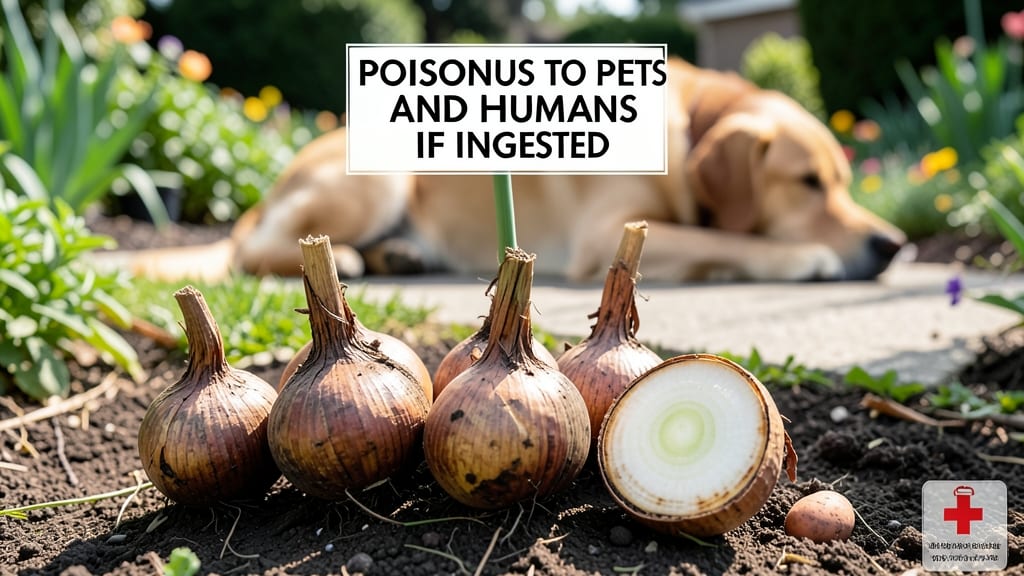
Tulip bulbs are poisonous and contain toxic alkaloids like tulipalin A that can cause vomiting, diarrhea, and skin irritation in pets and children. Always store them securely and wear gloves when handling.
The poisonous compounds primarily affect the gastrointestinal system, causing symptoms that can range from mild stomach upset to more severe reactions depending on exposure levels. 🌱 While tulip flowers and leaves are less toxic, they still contain trace amounts of these alkaloids, making them potentially harmful if ingested in large quantities.
The bulbs themselves are the most dangerous part of the plant, which is why gardeners should exercise extra caution when planting or disposing of them.
For safe handling, I always recommend wearing disposable gloves and washing hands thoroughly after contact. If you have pets or young children, consider planting tulips in elevated containers or designated garden areas where access is limited.
When disposing of old bulbs, never compost them—the heat and moisture can release toxins into the soil.
💡 In This Article
- Toxic Compounds in Tulip Bulbs and Their Effects
- Safe Planting and Disposal Practices for Tulip Bulbs
Toxic compounds in tulip bulbs and their effects
The danger in tulip bulbs comes from a family of bitter-tasting alkaloids called tulipalins—specifically tulipalin A, B, and C. These compounds act as natural pesticides, protecting the bulb from insects and fungi.
When ingested, they irritate the digestive tract, causing inflammation and triggering the body's defensive vomiting response. Tulipalin A, the most potent form, can also irritate mucous membranes, leading to drooling or excessive tearing in pets. 🌱
Bulbs contain the highest concentration of these toxins—typically 0.5% to 1.5% of their dry weight—while leaves and flowers have only trace amounts.
For example, a single bulb (about 2 ounces) could cause mild poisoning in a small dog, while a child might need to ingest multiple bulbs to experience severe symptoms. Cats are particularly vulnerable due to their grooming habits, which can transfer toxins to their paws and mouths.
Symptoms typically appear within 30 minutes to 2 hours after ingestion and include nausea, drooling, vomiting, diarrhea, and abdominal pain. In rare cases, large exposures may lead to dehydration or lethargy, especially in small animals.
The good news? Most cases resolve within 24 hours with supportive care, but severe reactions require immediate veterinary attention. 🚑
Interestingly, tulipalin A breaks down when exposed to air and light, which is why fresh bulbs are more dangerous than dried or stored ones. However, even dried bulbs retain enough toxicity to pose risks.
This chemical instability also explains why tulip bulbs are less hazardous in compost piles—the decomposition process reduces their potency over time, though not completely.
For comparison, tulip toxicity is similar to that of daffodils or hyacinths, but tulip bulbs are generally considered more dangerous due to their higher alkaloid concentration.
The National Capital Poison Center reports that tulip-related calls spike during spring planting season, reminding us that prevention—like secure storage—is the best protection. 🌿
If you suspect poisoning, rinse the mouth with water (if conscious) and contact a poison control center immediately. Keep the plant material for identification—it helps with treatment decisions. In gardens with pets or kids, consider raised beds with deep edges to deter digging and accidental ingestion. 🔒