
Orchid Care
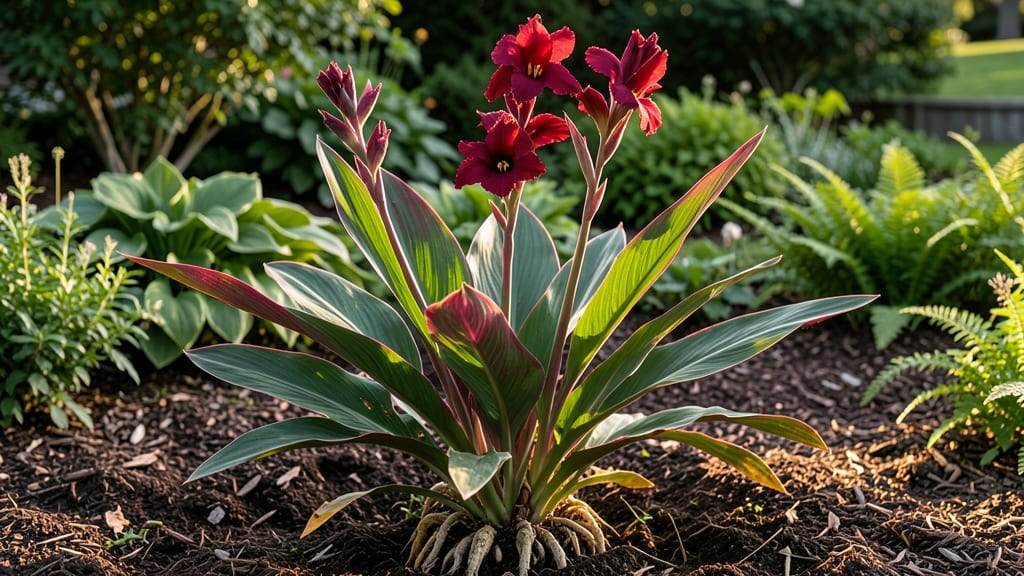
Canna bulbs are actually thick, tuberous rhizomes from the Canna plant, known for their dramatic tropical foliage and showy flowers. These fast-growing perennials love heat and humidity, thriving in USDA zones 8–11, but can be brought indoors or dug up to survive colder winters. Their bold leaves and vibrant blooms make them a standout in garden beds and containers.
These rhizomes aren't true bulbs but rather underground stems that store nutrients for rapid regrowth each season. 🌱 Unlike delicate bulbs, canna rhizomes are tough and can handle partial shade once established, though they truly shine in full sun where they produce their most spectacular blooms.
I've seen them reach heights of 3–6 feet in a single growing season, making them perfect for quick privacy screens or dramatic garden accents.
What sets canna rhizomes apart is their ability to regenerate even from small pieces. When you divide them in spring, each section with at least one growth node will sprout new shoots.
This makes them incredibly easy to propagate and share with fellow gardeners. Just be patient—they start slow but reward you with lush foliage and colorful flowers by midsummer.
💡 In This Article
- Understanding Canna Rhizomes: Structure and Growth Habits
- Year-Round Canna Bulb Care: Planting, Overwintering, and Revival
Understanding canna rhizomes: structure and growth habits
Canna rhizomes aren't true bulbs but rather thick, horizontal underground stems that store nutrients for rapid growth. These tubers develop nodes—small bumps along their surface—where roots and shoots emerge. Unlike delicate bulbs like tulips, canna rhizomes are dense and fibrous, capable of surviving harsh conditions.
Each rhizome can grow up to 12 inches long and 2-3 inches thick, with a rough, bark-like texture that protects against rot.
The energy storage mechanism is fascinating: canna rhizomes convert sunlight into starches during the growing season, which they later use to fuel new growth.
This is why they're so resilient—even after being dug up and stored, they can regenerate when replanted. 🌱 Compared to dahlias (which are true tubers) or caladiums (corms), canna rhizomes have a more rugged structure that handles moisture fluctuations better, making them ideal for containers or garden beds where drainage varies.
What makes canna rhizomes unique is their above-ground growth speed. Once planted in warm soil (60°F+), they can shoot up 2-3 feet in just 6-8 weeks. The leaves emerge first, unfurling from tight rolls into their signature broad, tropical shapes.
This rapid growth is powered by their heat-loving nature—cannas thrive in temperatures between 75-95°F, which is why they're perfect for southern gardens or containers that can be moved to sunny patios.
Here's a key distinction: while other tropical tubers like caladiums prefer shade, canna rhizomes actually perform better with 6-8 hours of direct sunlight daily. This sunlight triggers their vibrant flower production, which can last from midsummer until frost.
The flowers themselves are stunning—ranging from fiery reds to soft yellows—but it's the bold foliage that often steals the show, with colors spanning burgundy, green, and even variegated patterns.
One of the most practical aspects is their propagation method. Unlike true bulbs, canna rhizomes can be divided into smaller sections as long as each piece has at least one growth node.
This means you can easily multiply your plants—just cut a rhizome into 3-4 inch sections and replant them. I've found that even small pieces with just a tiny bit of the original stem will regrow, making them incredibly forgiving for gardeners who aren't perfectionists.
Their root system is equally impressive, developing a network of fibrous roots that spread outward rather than downward. This makes them excellent for erosion control on slopes or as border plants where their broad leaves create a natural barrier.
The combination of their structural resilience and rapid growth cycle is what makes canna rhizomes such a favorite among gardeners looking for low-maintenance tropical impact.