
Pests
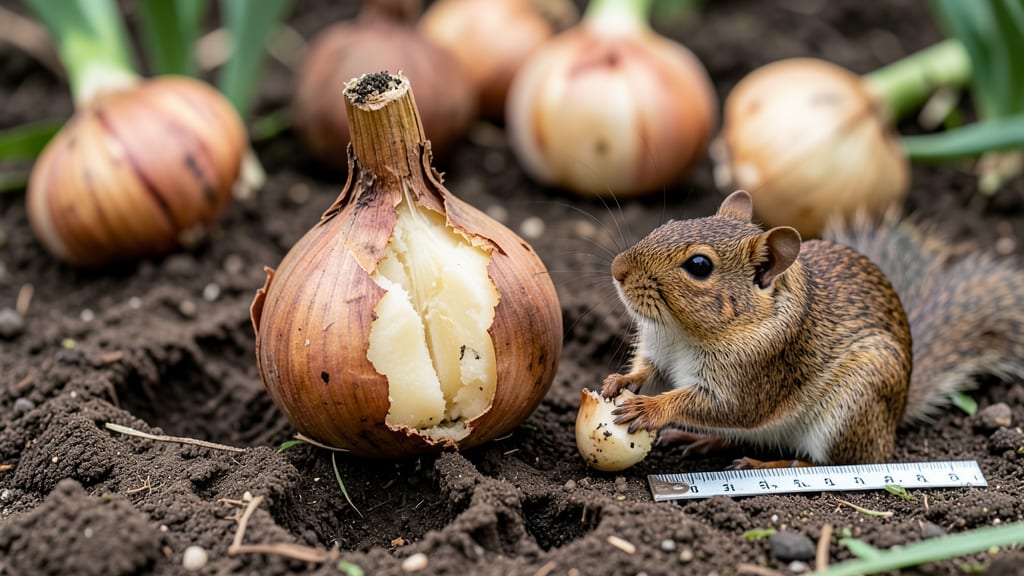
What eats tulip bulbs overnight? 🐿️ Squirrels, deer, and raccoons are the usual culprits—and they’re not picky eaters. I’ve lost entire rows of tulips to hungry critters, but I’ve also learned how to outsmart them with simple, effective strategies that actually work. The damage is easy to spot: chewed bulbs, missing plants, or tunnels in the soil. These pests target bulbs in fall and winter when food is scarce, so prevention starts before the ground freezes. A few layers of chicken wire or wire mesh around planting areas can stop digging animals cold, while repellents like hot pepper spray or commercial deterrents work well for deer. You’ll see fewer vanished bulbs and more reliable blooms year after year. The key is combining physical barriers with smart timing—planting after pests have moved on or using companion plants like daffodils, which many bulb-eaters avoid. Works for backyard gardens, raised beds, or even container plantings. Here’s how to keep your tulips safe!
Root Causes Behind Bulb Loss
Tulip bulbs are a garden treasure—until they become a feast for hungry critters. Understanding why these underground snacks disappear is the first step to stopping the raid. Here’s a breakdown of the key reasons tulip bulbs vanish, backed by science and nature’s survival instincts.
Squirrels, voles, and mice are the master thieves of the bulb world. Their love for tulips isn’t just random—it’s rooted in nutrition and instinct.
- High-Carb, Low-Effort Meal: Tulip bulbs are packed with starches and sugars, making them an energy-dense snack—like nature’s potato chips. Rodents prioritize foods that require minimal chewing and digestion, and bulbs fit the bill perfectly. Fun fact: A single squirrel can dig up and eat 50+ bulbs in a season if left unchecked.
- Seasonal Scarcity Triggers: In late winter and early spring, when natural food sources (like nuts or seeds) are scarce, rodents turn to bulbs. Their foraging instincts kick into overdrive as they stockpile calories for breeding or hibernation.
- Digging for Cover: Rodents also tunnel through gardens to create nests or escape predators. Bulbs near the surface? Free real estate—and a tasty bonus. Their burrows can completely uproot a tulip bed in weeks.
💡 Pro Tip: Look for shallow, irregular holes in your garden or uneaten bulbs with bite marks—these are dead giveaways (literally). Rodents often leave the outer skins behind, unlike larger animals.
While squirrels work underground, deer and raccoons bring a brute-force approach to bulb destruction. Their motives? Hunger, curiosity, and opportunity.
- Deer: The Lawn Mower Gang
- Deer don’t dig—they graze. But when tulips emerge in spring, deer see them as easy, fresh greens. A single deer can devour an entire tulip patch in one night, leaving behind stubby, chewed stems.
- Food Desperation: In late winter, deer rely on stored fat reserves. When spring bulbs sprout, they’re a high-protein, low-effort meal compared to browsing for twigs or bark.
- Raccoons: The Master Manipulators
- Raccoons are intelligent foragers who use their dexterous paws to pry bulbs from the ground or dig with tools (like sticks). They’re also opportunistic—if they stumble upon a garden, they’ll remember the location for future raids.
- Urban Expansion: As raccoon populations grow in suburban areas, they’ve learned to associate gardens with easy food. A single raccoon can destroy dozens of bulbs in one session, often leaving behind messy, clawed-up soil.
🔥 Warning Sign: Large, deep holes (6+ inches wide) or bulbs missing from the center of a clump? That’s a raccoon’s handiwork. Deer, meanwhile, leave clean, jagged cuts on stems—like a lawnmower passed over your tulips.
Not all bulb loss comes from wild critters—sometimes, human mistakes make your garden a five-star restaurant for pests.
- Shallow Planting: Tulip bulbs should be buried 6–8 inches deep. If planted too close to the surface, they’re easier for rodents to find (and dig up like buried treasure). Rule of thumb: Dig deep enough so the top of the bulb is no closer than 6 inches to the soil line.
- Clumping Bulbs: Planting bulbs in tight groups creates a bulb buffet. Pests target clusters because they’re easier to locate and excavate. Solution: Space bulbs 6–8 inches apart to scatter the risk.
- Lack of Mulch or Barriers: Without a physical barrier (like wire mesh or mulch), bulbs are wide open to digging. Mulch can deter some pests, but it’s not foolproof—determined squirrels will dig right through.
🌡️ Climate Connection: In warmer climates, bulbs may sprout earlier, giving pests a head start. Conversely, in cold regions, late thaws can trick bulbs into growing too soon—making them vulnerable before they’re fully hardened.
🎯 Key Takeaway: Bulb loss isn’t just about what’s eating them—it’s about why they’re accessible. By addressing both the pests and planting habits, you can turn your garden into a fortress instead of an all-you-can-eat buffet.
Stop Tulip Bulb Thieves Now
If your tulip bulbs are disappearing faster than your patience, don’t worry—you’re not powerless. The good news is that most of these critters can be deterred with the right strategies.
Below, we’ll break down the most effective solutions based on the likely culprit, along with preventive measures to keep your garden safe for years to come.
Squirrels are notorious for their intelligence and love of bulbs—especially tulips. If you’ve spotted tiny holes in your garden or half-buried bulbs, these bushy-tailed bandits are likely the culprits.
🔥 How to Outsmart Them
- 🍳 Use Repellent Sprays
Squirrels hate strong smells! Mix hot pepper, garlic, or rotten eggs in water, then spray around bulb beds. Reapply after rain.
- 👨🍳 Install Physical Barriers
Cover bulbs with hardware cloth (¼-inch mesh) before planting. Bury it 6 inches deep to block digging. For above-ground protection, try chicken wire or wire cages.
- 🥘 Scatter Distractions
Plant daffodils or alliums nearby—squirrels avoid them! Or bury fake bulbs (like plastic ones) to waste their time.
- ⏰ Set Humane Traps (Last Resort)
If squirrels are relentless, use a live trap to relocate them. Check local laws first—some areas prohibit trapping.
💡 Prevention Tips
- Plant bulbs in fall when squirrels are less active.
- Avoid planting tulips in easily accessible areas (like near trees they can climb).
- Try tulip bulbs with built-in squirrel repellent (some nurseries sell them!).
Deer may look harmless, but they’ll happily munch through tulips if food is scarce. Chewed leaves and trampled beds are dead giveaways.
🔥 How to Keep Them Away
- 🌡️ Use Deer-Resistant Plants
Surround tulips with daffodils, lavender, or foxglove—deer dislike their scent. A 3-foot barrier of these plants can work wonders.
- 🎯 Install Fencing
Deer can jump 8 feet, so go for 8-foot-high fencing or electric tape (a mild shock deters them). For smaller gardens, a 6-foot fence with outward-facing spikes may suffice.
- 🥗 Spread Repellents
Apply commercial deer repellents (like Liquid Fence) or make your own with soapy water + rotten eggs. Reapply every few weeks.
- 🔪 Motion-Activated Sprinklers
Devices like ScareCrow spray water when deer approach—startling them without harm.
💡 Prevention Tips
- Plant tulips in hard-to-reach areas (like near dense shrubs).
- Avoid planting near wooded edges where deer travel.
- Use deer-resistant tulip varieties (e.g., Darwin Hybrids—they bloom later when deer are less hungry).
Raccoons are the ultimate garden thieves—they dig, steal, and leave a mess. If your bulbs vanish overnight, these masked bandits are likely to blame.
🔥 How to Catch (and Stop) Them
- 🔪 Secure Bulbs with Wire Cages
Cover planting areas with hardware cloth (½-inch mesh) and bury edges 12 inches deep. Raccoons can’t dig through it!
- 🌙 Remove Food Sources
Raccoons love pet food, fallen fruit, and trash. Keep your yard clean and secure trash cans with locking lids.
- 🎯 Use Motion-Activated Lights
Raccoons hate bright lights. Install solar-powered motion lights near garden beds to scare them off.
- ⏰ Set Humane Traps (With Care!)
If raccoons are persistent, use a live trap and relocate them legally and humanely. Check local wildlife laws first.
💡 Prevention Tips
- Plant bulbs in spring (raccoons are less active then).
- Avoid planting near wooded areas or sheds where raccoons hide.
- Try raccoon-proof planters (elevated containers with secure lids).
No matter who’s raiding your tulips, these universal tips will help:
- 🌿 Plant in Groups – Bulbs planted in clusters are harder for pests to find.
- 🌡️ Use Mulch – A thick layer of straw or pine needles can deter digging.
- 🔍 Inspect Regularly – Check for holes, chewed leaves, or missing bulbs every few weeks.
- 🎯 Rotate Planting Spots – Move tulip beds yearly to confuse pests.
With these strategies, your tulip bulbs will stay safe—and your garden will bloom beautifully year after year! 🌷💐
Frequently asked questions
Why do squirrels prefer tulip bulbs over other plants?
Tulip bulbs are packed with easy-to-digest starches and sugars, making them a high-energy, low-effort snack for squirrels. Their natural foraging instincts drive them to target bulbs in late winter when other food sources are scarce. Plus, tulips lack the bitter compounds found in daffodils or alliums that repel rodents.
How can I tell if deer are eating my tulips versus just trampling them?
Deer leave distinct signs: chewed stems at ground level (like a lawnmower cut) and jagged edges on leaves. They rarely dig for bulbs—they prefer the fresh greens. Look for these telltale marks in spring when tulips first emerge, as deer are most active then.
Are there any tulip varieties that pests avoid?
Yes! Darwin Hybrid tulips bloom later in the season when deer and squirrels are less hungry. Other varieties like Parrot tulips have more complex flavors that some pests avoid. For extra protection, plant these near your most vulnerable bulbs or in areas with heavy pest traffic.
What's the best time of year to protect my tulip bulbs?
Fall is critical—plant bulbs 6-8 inches deep before the first frost, then cover with hardware cloth (¼-inch mesh). For spring protection, add repellents when shoots appear. The key window is October-November for planting and March-April for repellent applications.
Will chicken wire work against raccoons?
Not alone—raccoons can bend chicken wire with their paws! Use hardware cloth (½-inch mesh) instead, buried 12 inches deep around planting areas. For extra security, combine this with motion-activated lights or remove food sources (like pet food) that attract them.