
Planting
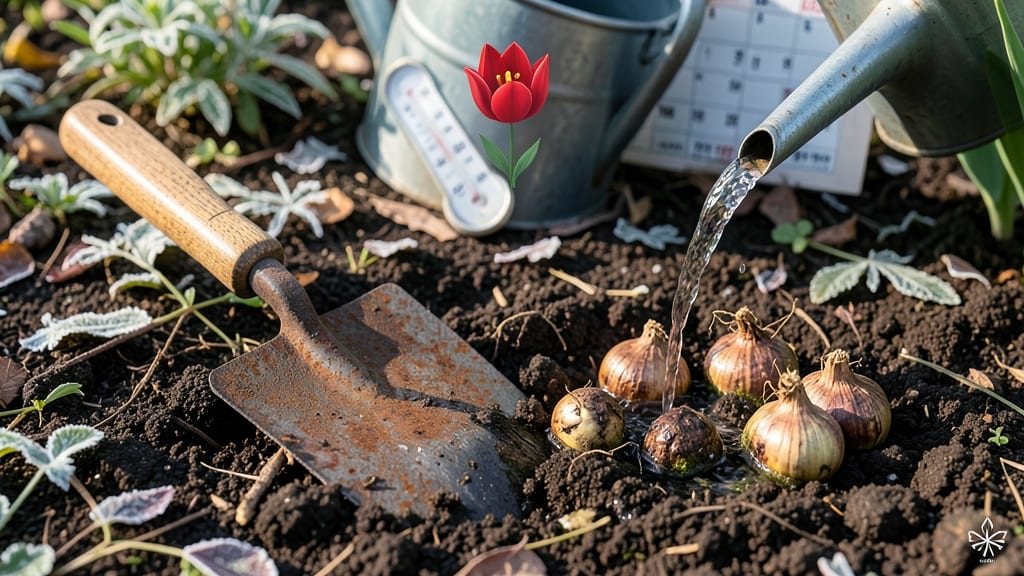
If what happens if you plant bulbs too late means they may never bloom or produce weak flowers, since most varieties need a cold period (vernalization) to trigger growth. Late planting increases risks of frost damage, shallow root systems, and poor winter survival, especially in colder zones. Hardy types like tulips and daffodils handle delays better than sensitive bulbs like hyacinths.
When bulbs miss their ideal planting window, they often fail to establish strong roots before winter sets in. 🌱 This leaves them vulnerable to freezing temperatures, which can kill tender root systems before they've had a chance to mature.
The cold stratification process—where bulbs need exposure to chilly conditions—becomes impossible if planted too late, preventing the internal signals that trigger spring growth. For example, in Zone 5, tulips planted after Thanksgiving might survive but rarely bloom, while daffodils have a slightly longer grace period.
Your zone plays a critical role in determining how much leeway you have. In warmer climates like Zone 9, you might get away with planting some bulbs in early winter, but even there, the risk of inconsistent blooming or weak plants remains.
Mulching with straw or using frost cloth can help protect late-planted bulbs, but it won't replace the natural chilling process. Some gardeners opt for container forcing or indoor chilling methods to give late-planted bulbs a head start, though this requires extra effort.
💡 In This Article
- How Late Planting Disrupts Bulb Chilling Requirements
- Zone-Specific Late Planting Strategies for Bulbs
How late planting disrupts bulb chilling requirements
Bulbs rely on a process called vernalization—a biological mechanism where exposure to prolonged cold temperatures (typically 40-50°F for 12-16 weeks) triggers internal growth signals. This chilling period breaks dormancy by altering hormone levels (like gibberellins) that stimulate root development.
When you plant bulbs too late, they miss this critical window, leaving their roots underdeveloped before winter arrives. For instance, tulips planted after November 1st in Zone 5 may survive but often produce weak or no blooms because their roots never fully hardened.
The soil temperature matters just as much as air temperature. Bulbs need 50-60°F soil for optimal root growth, but late planting often coincides with dropping temperatures. In colder zones (like Zone 4), soil can freeze as early as December, locking bulbs into dormancy before roots establish.
Delicate varieties like hyacinths require precise chilling—too little cold and they won’t bloom, while too much can cause rot. Hardy bulbs like daffodils can tolerate slightly later planting because their roots grow more aggressively in cooler conditions, but even they struggle if planted after the first frost.
Frost exposure is another silent killer. Late-planted bulbs with shallow root systems are more vulnerable to freeze-thaw cycles, which can rupture delicate cells. Imagine planting a tulip bulb in early December—its roots may only reach 2-3 inches deep before the ground freezes, leaving them exposed to surface-level frost damage.
In contrast, bulbs planted in October typically develop roots 6+ inches deep, giving them insulation and stability through winter. This depth difference explains why late-planted bulbs often fail to thrive even if they survive.
Here’s how zones affect chilling needs: In Zone 9, where winters are mild, some bulbs (like rain lilies) can be planted as late as January and still bloom, but they rely on the natural winter chill.
In Zone 5, however, the window narrows to October-November—any later and the risk of frost damage skyrockets. The key is matching the bulb’s native climate to your zone; Mediterranean bulbs (e.g., grape hyacinths) need less chilling than Northern European varieties (e.g., crocuses).
What most gardeners overlook is that even if a bulb survives late planting, its flowering cycle can be delayed by 2-4 weeks or entirely skipped.
The internal clock that regulates blooming is set during the chilling phase, so missing it means the bulb might just sit dormant until next year—or worse, rot if the soil stays too wet.
For example, a late-planted daffodil might produce a single weak stem instead of the usual 3-5 blooms, or bloom so late that it’s damaged by early spring frosts.
To test this yourself, try planting a batch of bulbs at the recommended time and another batch 4-6 weeks late. Observe the root depth after 6 weeks—you’ll likely see the late-planted bulbs with roots only half as long as their on-time counterparts.
This visual difference highlights why timing is everything in bulb planting. 🌱