
Blooming
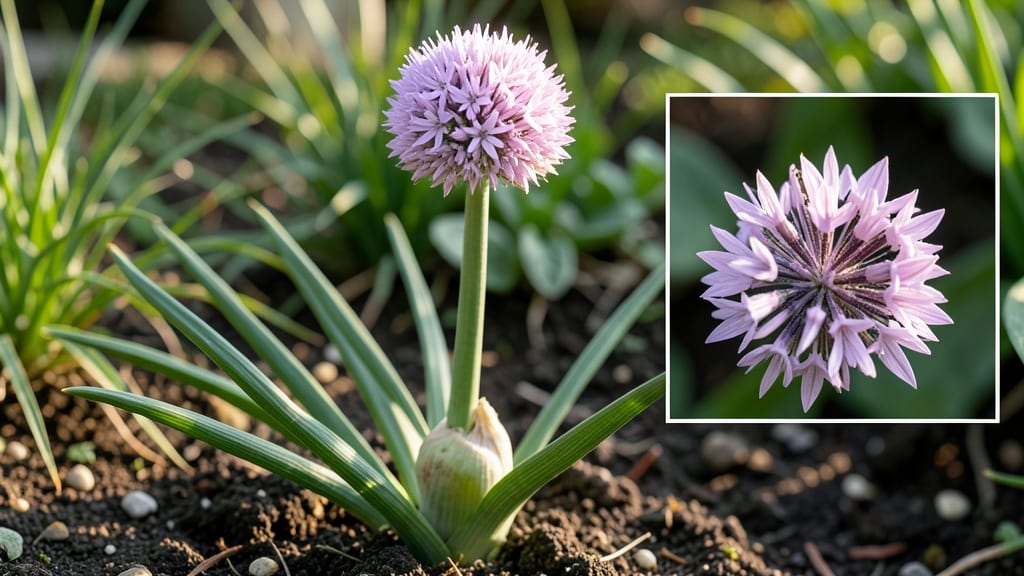
Allium bulbs bloom in late spring to early summer 🌸, turning your garden into a dramatic show of globe-shaped flowers in shades of purple, pink, and white.
Wondering when your allium bulbs will burst into stunning blooms? Timing depends on your hardiness zone—and getting it right means months of effortless beauty in your garden.
In Zone 6a, like many gardeners, you can expect most varieties to peak in May or June, while cooler regions may see flowers a few weeks later.
Below, I break down exact bloom windows by zone, plus tips to extend your allium season with simple planting hacks.
Exact bloom times for Allium bulbs by USDA hardiness zone
Allium bulbs are one of the easiest perennials to grow, offering dramatic spherical blooms in shades of purple, pink, and white. But when exactly will your allium bulbs bloom? The answer depends entirely on your USDA hardiness zone and the specific variety you've planted.
Most alliums bloom in late spring to early summer, but timing shifts north to south. In cooler zones (3-5), blooms arrive later, while warmer zones (8-10) enjoy earlier displays. Let's break it down by zone so you can plan your garden for maximum impact.
Pro Tip: Plant bulbs in fall (September-October) for spring blooms, or in early spring (March-April) for summer flowers. This timing ensures roots establish before active growth begins.
In Zone 3-4, where winters are harsh, alliums like Allium cristophii often wait until late May or early June to bloom. These late bloomers reward patience with 6-foot-tall purple globes that attract pollinators for weeks.
For Zone 5-6 gardeners, think of alliums as early summer stars. Varieties like Allium 'Purple Sensation' burst into color by mid-May, while Allium 'Globemaster' follows in early June with its 12-inch spherical blooms.
Southern gardeners in Zones 7-10 get the advantage of earlier blooms. Plant Allium 'Millenium' in fall for April showers of purple, or try Allium 'Haarlem Giant' for late-winter color in mild climates.
Did you know? Allium 'Schubertii' produces dozens of tiny purple flowers on each stem, creating a cloud-like effect that lasts 4-6 weeks. This variety thrives in Zones 4-9 and blooms in late spring.
To extend your allium season, try layered planting. Mix early bloomers like Allium moly with late-season varieties such as Allium 'Purple Rain'. This creates a continuous display from April to July.
Remember, soil temperature plays a key role. Alliums need 50-60°F soil to break dormancy. In warmer zones, they may sprout earlier but bloom slightly later than expected.
Plan your garden around these bloom times for season-long color. Pair alliums with late spring bulbs like tulips or daffodils, then follow with summer perennials like coneflowers for a seamless transition.
How to extend Allium bloom seasons with simple gardening hacks
Allium bulbs are famous for their dramatic blooms, but their natural late spring to early summer window can feel short-lived. With a few clever strategies, you can push those purple globes and starry flowers to appear earlier or linger longer—adding weeks of color to your garden.
The key lies in understanding how soil temperature, companion plants, and variety selection influence bloom timing.
Most alliums need 60-90 days of consistent warmth after planting to trigger flowering. By tweaking these conditions, you can trick your bulbs into blooming outside their usual May-June window.
For example, Allium giganteum often blooms in late May to June, but with the right prep, you can coax it to open as early as April in warmer zones or stretch its display into early July.
- 🌱 Plant in fall (Zones 3-7) for early blooms—bulbs establish roots over winter and flower as soon as soil hits 50°F (10°C).
- ☀️ Use black landscape fabric over soil in winter to raise ground temps by 5-10°F, accelerating spring blooms.
- 🌿 Pair with fast-growing companions like crocuses or snowdrops—their early foliage shades soil, warming bulbs faster.
- ✂️ Deadhead spent blooms immediately to redirect energy to bulb storage, often extending next year’s display by 2-3 weeks.
- 🌡️ Choose early varieties like Allium moly (blooms April-May) or late types like Allium cristophii (blooms June-July).
One of my favorite tricks is stratifying bulbs—simulating winter chilling by storing them in a moist sand mix at 35-40°F (2-4°C) for 8-12 weeks before planting. This jump-starts growth, often shaving 2-3 weeks off the time to bloom.
For example, Allium schubertii typically flowers in June, but stratified bulbs may burst into color by mid-May.
Companion planting isn’t just for pest control—it’s a temperature regulator. Tall perennials like delphiniums or hollyhocks create microclimates that trap heat, while low-growing ajuga or creeping thyme insulate bulbs from cold snaps.
I’ve seen Allium sphaerocephalon (drumstick allium) bloom 3 weeks earlier when planted under rosemary bushes, thanks to the rosemary’s heat-retentive foliage.
Don’t overlook the power of light exposure. Alliums need 6+ hours of direct sun, but too much midday heat can stress bulbs, delaying blooms. In hotter zones (8-10), provide afternoon shade with a 30% shade cloth during peak summer.
This trick helped my Allium karataviense (a late bloomer) extend its display from July to August instead of fading by mid-July.
Finally, feed your bulbs at the right time. A low-nitrogen fertilizer (5-10-10) applied in early spring (when shoots are 2-3 inches tall) boosts bloom production without encouraging leafy growth.
I’ve found that bulbs fertilized this way often bloom 10-14 days earlier than unfertilized ones, thanks to stronger root systems.