
Plants
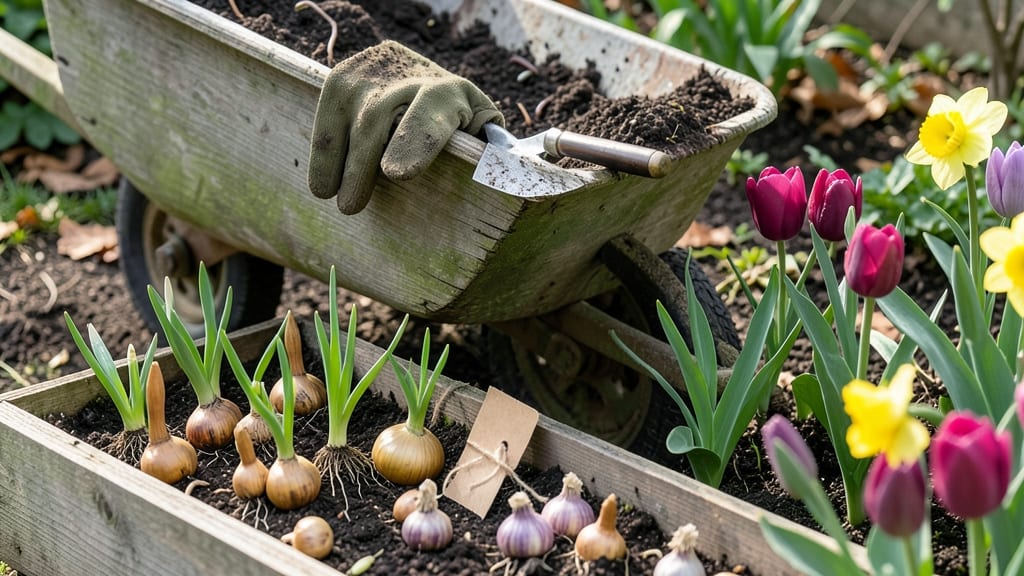
Planting bulbs in Zone 7b during October to November or early spring ensures vibrant blooms that brighten your garden like clockwork.
Timing is everything when planting bulbs in Zone 7B—get it wrong, and your spring garden could miss its full glory. But with the right schedule, you’ll enjoy vibrant tulips, daffodils, and hyacinths that emerge like clockwork every year.
Fall planting is the gold standard for most bulbs, giving them time to root before winter. But did you know some varieties, like crocus, actually prefer spring planting? We’ll break down the exact months for each type, plus how to adjust for mild or harsh winters in your area.
From soil temperature triggers to frost-free dates, you’ll learn how to time your planting for peak blooms, whether you’re a first-timer or a seasoned gardener. Let’s get those bulbs in the ground the right way!
Zone 7B bulb planting calendar: exact months by bulb type
Planting bulbs in Zone 7B isn’t just about picking the right bulbs—it’s about timing them perfectly with your local frost dates and soil conditions. In this zone, fall planting (for spring blooms) and early spring planting (for summer blooms) are critical.
The average first frost in Zone 7B hits around mid-November, while the last frost typically occurs by mid-April. Knowing these dates helps you avoid planting too early (risking rot) or too late (missing dormancy needs).
Most spring-blooming bulbs like tulips and daffodils need to be planted 6-8 weeks before the first frost, which in Zone 7B means October. Meanwhile, summer-blooming bulbs like dahlias and gladiolas go in the ground in early spring, once soil temperatures rise above 50°F.
Let’s break down the exact months for each type so you can plan your garden like a pro.
🌱 Key Tip: Always plant bulbs in well-draining soil at a depth of 2-3 times their height. For example, a 2-inch daffodil bulb should go 4-6 inches deep. This prevents rot and encourages strong root growth over winter.
For
How to adjust planting times for early vs. late Zone 7B winters
Zone 7B's winters can vary wildly—some years bring mild conditions with minimal frost, while others deliver late freezes that catch gardeners off guard. This variability means your bulb planting schedule needs flexibility.
If you've ever planted daffodils in early October only to see them freeze back, you know how critical timing is. The key is understanding your local microclimate and adjusting accordingly.
Start by tracking your last frost date over the past few years. Most Zone 7B gardeners experience their final frost between November 15th and December 1st, but this can shift 2-3 weeks earlier or later.
For example, if your garden sits in a low-lying area, cold air pools there, creating a later frost risk. Conversely, south-facing slopes or urban heat islands may stay warmer longer.
⚠️ callout warning ⚠️
If your Zone 7B experiences unpredictable late frosts, plant tulips and hyacinths in early November instead of October. These bulbs are less cold-hardy than daffodils or alliums. For extra protection, use mulch (4-6 inches) or a lightweight frost blanket after planting.
🌱 Pro Tip: Test soil temps—bulbs need 60°F soil for root growth but can survive 40°F air temps if dormant.
For early Zone 7B winters (milder conditions), you can push planting back to mid-November for most bulbs. Daffodils and alliums are your safest bets—they tolerate colder soils and often bloom earlier, signaling spring's arrival.
If you're unsure, opt for spring-planted bulbs like caladiums or cannas, which thrive when soil temps warm to 65°F+ in late winter.
Soil conditions matter just as much as air temps. Amend heavy clay with compost or sand to improve drainage, as waterlogged bulbs rot. In sandy soils, add organic matter to retain moisture.
Always plant bulbs at a depth 3x their width—deeper in sandy soils (to retain moisture) and slightly shallower in clay (to prevent suffocation).
If your garden faces occasional late frosts, consider container gardening for delicate bulbs. Move pots to a garage or sheltered porch during cold snaps, then return them to the garden once temps stabilize.
This method also lets you extend the season by planting earlier in fall (September) or later in spring (March) without frost risk.
Don't forget to protect bulbs during extreme winters. A 2-3 inch layer of straw mulch insulates soil and prevents heaving (bulbs pushing out of the ground). For high-value collections, use bulb cages or wire mesh to keep them in place.
With these adjustments, your Zone 7B bulb garden will bloom reliably year after year, regardless of winter's whims.