
Plants
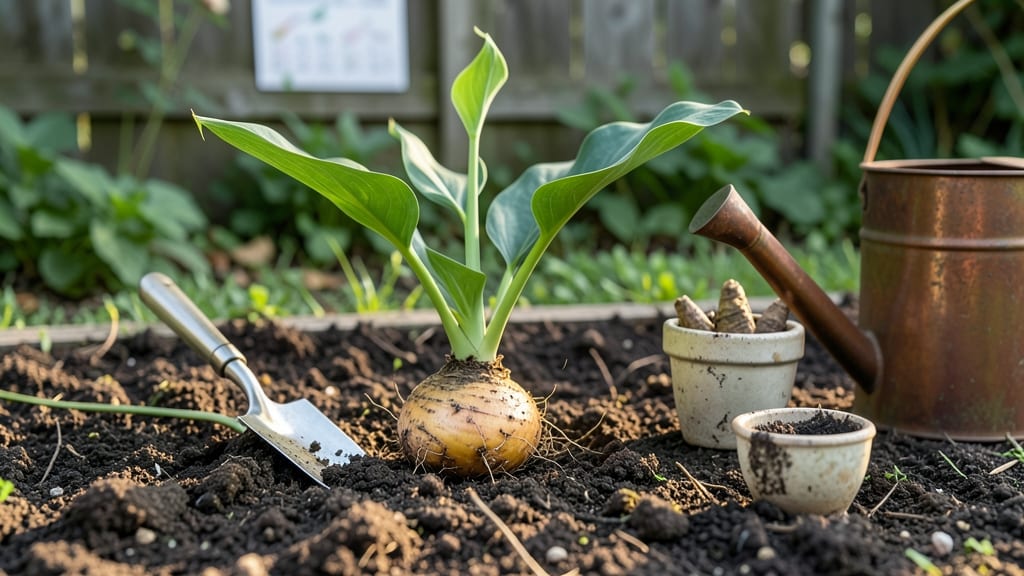
To plant calla lily bulbs in Zone 7 for stunning summer blooms, aim for late winter or early fall when soil temperatures are ideal and frost risks have passed.
Struggling to time your calla lily 🌸 planting in Zone 7? Plant too early, and frost may damage tender shoots; too late, and you’ll miss the showstopping blooms that make these plants a garden favorite.
Zone 7’s 180 frost-free days give you two clear windows: spring after April 15 or early fall 4-6 weeks before November 1. Each timing has its own tricks—like pre-chilling bulbs for spring planting—to ensure strong roots before summer heat arrives.
Below, I’ll walk you through the exact steps for each planting window, soil prep, and the 3 key care habits that guarantee lush foliage and bold blooms all season long.
Best planting months for calla lilies in Zone 7: a frost-free timeline
Timing your calla lily bulb planting in Zone 7 is all about avoiding frost while giving roots time to establish before summer heat arrives. The ideal window spans late winter to early fall, but exact dates depend on whether you plant in spring or fall.
In Zone 7, last frost typically occurs around April 15, while first frost arrives by November 1, leaving a 180-day frost-free growing season.
For spring planting, wait until soil temperatures consistently reach 60°F (15°C)—usually mid-April to early May. Planting too early risks frost damage to emerging shoots, while waiting too late may delay blooms until late summer.
Fall planting, however, offers a more forgiving window of September to early October, allowing bulbs to root before winter dormancy.
Here’s a quick reference to help you decide: spring planting is best for earlier blooms, while fall planting reduces competition with summer weeds and heat stress. Both methods work, but fall planting is often preferred by experienced gardeners in Zone 7 for its reliability.
One common mistake is planting calla lily bulbs too early in spring, assuming the frost danger has passed. Even if daytime temperatures rise, nighttime frosts can still occur in Zone 7 until May.
To test readiness, push a soil thermometer 4 inches deep—if it reads below 60°F (15°C), wait a few more weeks. For fall planting, aim to finish by October 15 to ensure roots establish before winter.
If you’re unsure about your local frost dates, use the National Weather Service or a frost calendar for your specific county. For example, Raleigh, NC (Zone 7b) has a later last frost than Lexington, KY (Zone 7a), so adjust accordingly.
Container growers can extend the season by moving pots indoors during cold snaps or under frost cloth.
For spring planting, consider chilling bulbs for 8–10 weeks in the fridge before planting to mimic winter dormancy. This trick helps bulbs break dormancy more quickly, ensuring faster growth and earlier blooms.
Store bulbs in a paper bag with peat moss or sawdust to maintain humidity and prevent drying.
In Zone 7’s humid climate, fall planting also reduces the risk of fungal diseases like botrytis, which thrive in hot, damp conditions. Planting in September gives bulbs time to root while avoiding the peak summer heat that can stress new plants.
Just be sure to mulch heavily after planting to insulate roots during winter.
Pro tip: If you miss the ideal window, don’t panic! Calla lilies are resilient and can tolerate late spring planting as long as soil is workable. However, blooms may arrive 2–4 weeks later than expected.
For fall planting, bulbs planted after October 15 might not fully root before frost, so prioritize early September for best results.
Remember, calla lilies thrive in partial shade and moist, well-draining soil. Whether you choose spring or fall, focus on soil prep and consistent moisture to set your plants up for success.
With the right timing, you’ll enjoy stunning summer blooms that last from June through August—or even longer with proper care!
How to prepare for calla lily planting in Zone 7: soil, location, and pre-planting tips
Calla lilies thrive in Zone 7 when planted in the right conditions. Start by choosing a location with partial shade—they tolerate morning sun but need afternoon protection from intense heat. These tropical beauties prefer moist, well-draining soil rich in organic matter to prevent bulb rot.
Before planting, test your soil’s drainage. Calla lilies hate soggy roots, so amend heavy clay with compost or perlite to improve aeration. A soil pH between 6.0 and 7.0 is ideal for optimal bulb health and vibrant blooms.
⚠️ callout warning
In Zone 7, plant calla lily bulbs after the last frost date (mid-April) or in early fall (September-October). If planting in spring, chill bulbs for 8-10 weeks at 40-50°F to mimic winter dormancy. Planting too early risks frost damage; too late delays summer blooms.
🌱 Pro Tip: Use a refrigerator’s vegetable drawer for bulb chilling.
Select a planting site with 6-8 inches of spacing between bulbs to allow airflow and reduce disease risk. Avoid low-lying areas where water pools after rain. If your garden soil is sandy, mix in peat moss or coconut coir to retain moisture without suffocating roots.
For container growing, use pots with drainage holes and fill with a mix of potting soil and perlite. Place containers in a spot with dappled sunlight—like under a tree canopy—to protect bulbs from afternoon sunburn. Water containers every 5-7 days to keep soil consistently moist.
Before transplanting, inspect bulbs for soft spots or mold, which signal rot. Soak bulbs in a fungicide solution (like neem oil) for 10 minutes to prevent early-season diseases. Plant bulbs 4 inches deep with the pointed end facing upward for straight, sturdy growth.
Mulch around planted bulbs with 2-3 inches of organic mulch (like shredded bark) to regulate soil temperature and retain moisture. Remove mulch in late fall to allow soil to cool naturally. With proper prep, your calla lilies will reward you with bold summer blooms from mid-July through September! 🌸