
Plants
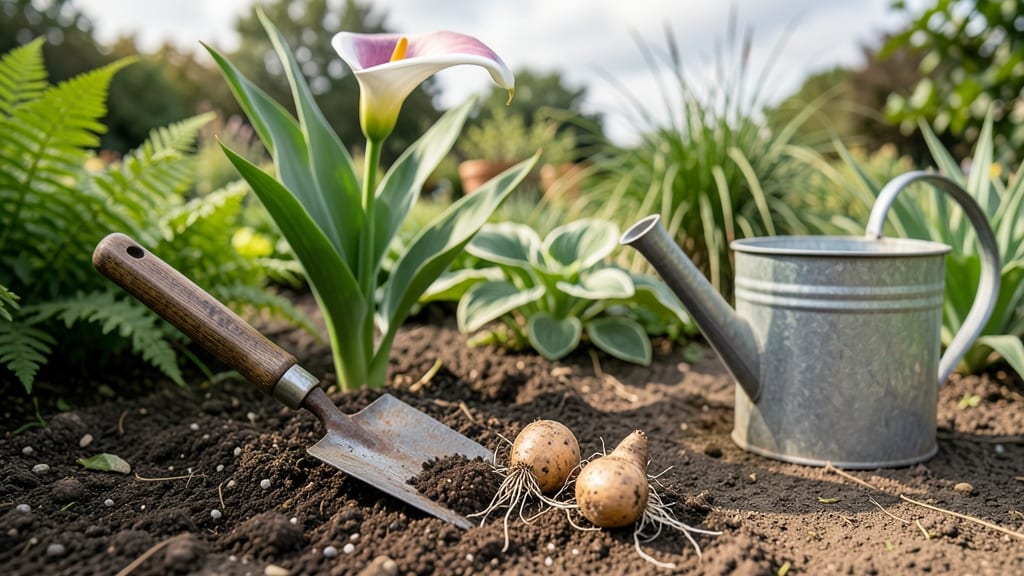
Planting calla lily bulbs in Ontario after the last frost date — typically mid-May — ensures they thrive before summer’s heat peaks.
Ontario gardeners know timing is everything — plant too early, and frost will ruin them; too late, and summer’s sweltering heat arrives before they bloom. Mastering the perfect window means vibrant, hardy 🌸 calla lilies that survive Ontario’s unpredictable climate.
In zones 5a-6b, soil temperatures must reach at least 60°F before planting, which usually aligns with late May. This timing avoids both late frosts and the stress of early summer heat.
Below, I’ll walk you through the exact steps to prepare soil, choose the right location, and care for your calla lilies so they establish strong roots before Ontario’s heat takes over.
Best planting windows for calla lilies in Ontario’s climate zones
Ontario’s climate zones 5b-6b create unique challenges for calla lily growers. These tropical-looking plants need warm soil and frost-free conditions to thrive, but Ontario’s late spring frosts and summer heat can derail even the best-laid plans.
The key is planting at the perfect moment—when soil temperatures reach 60°F (15°C) and the threat of frost has passed. This balance ensures your calla lilies establish strong roots before summer’s heat peaks.
Most Ontario gardeners should aim to plant calla lily bulbs between mid-May and early June, but this window shifts slightly depending on your specific zone. Southern Ontario (zone 6b) can plant earlier, while northern regions (zone 5b) may need to wait until late May to avoid frost damage.
Understanding these micro-climate differences is crucial for success, as even a week’s delay can mean the difference between vibrant blooms and struggling plants.
Here’s the critical rule: Never plant calla lilies before the last frost date in your area. While these plants are hardy once established, their bulbs and young shoots are extremely frost-sensitive. A single late frost can blacken leaves and set back growth by weeks.
Use your local frost-free date (typically mid-May in most of Ontario) as your starting point, then wait an additional 1-2 weeks to ensure soil has warmed sufficiently.
Soil temperature is just as important as air temperature. Calla lilies perform best when planted in soil that’s at least 60°F (15°C). You can test this with a soil thermometer—insert it 2-3 inches deep in your garden bed.
In cooler zones, you might need to wait until early June to reach this threshold. Rushing the process by planting in cold soil leads to poor root development and weak stems that struggle to support the plant’s heavy blooms.
Another key factor is heat tolerance after planting. While calla lilies love warmth, they can suffer from heat stress if planted too late in the season. The goal is to give them 6-8 weeks of warm weather before Ontario’s summer heat peaks (typically July-August).
This timing allows roots to establish before the plant faces intense heat and potential drought conditions. Late June plantings in southern Ontario may still have time to bloom, but northern gardeners should plant by early June to avoid missing the window.
| Ontario Zone | Ideal Planting Window | Soil Temp Threshold | Frost Risk Period | Heat Tolerance Note |
|---|---|---|---|---|
| Zone 5b (Northern ON) | Late May - Early June | 60°F (15°C) | Last frost: May 20-30 | Plant by June 10 to avoid summer heat stress |
| Zone 6a (Central ON) | Mid-May - Late May | 60°F (15°C) | Last frost: May 10-20 | Can handle June plantings in cooler microclimates |
| Zone 6b (Southern ON) | Early May - Mid-May | 60°F (15°C) | Last frost: April 30 - May 10 | Best blooms with May plantings before heat peaks |
| All Zones | Never before last frost | Minimum 60°F (15°C) | Check local Environment Canada forecasts | Mulch after planting to retain moisture |
For gardeners in zone 6b (Southern Ontario), the earliest safe planting window opens in early May. This is when soil temperatures typically reach the critical 60°F (15°C) threshold, and the risk of late frosts diminishes significantly.
In this region, you can often plant calla lilies as early as May 1-15, giving them ample time to establish before summer’s heat arrives. However, even in the warmest zones, always monitor weather forecasts for unexpected late frosts—these can occur as late as mid-May in some years.
Northern Ontario gardeners in zone 5b face a narrower window, usually between late May and early June. The later planting date accounts for cooler soils and a higher risk of frost.
In these areas, it’s wise to wait until after May 20 to plant, even if soil temperatures seem ready earlier. The extra week of caution can prevent devastating frost damage to your young plants.
Remember, calla lilies are tropical plants at heart—they need warmth to thrive, but they can’t handle Ontario’s unpredictable spring weather.
One common mistake is assuming that container growing extends the planting window. While containers warm up faster than garden beds, they also dry out more quickly and are more susceptible to temperature swings.
If you’re growing calla lilies in pots, plant them at the same time as garden plants and use black plastic mulch to accelerate soil warming. This technique can shave off 1-2 weeks of waiting time by raising soil temperatures by 5-10°F (3-6°C).
To maximize your calla lilies’ success, combine proper planting timing with soil preparation. Amend your garden beds with compost or well-rotted manure to improve drainage and fertility. Calla lilies prefer moist, well-draining soil with a pH between 6.0 and 7.0.
In heavy clay soils common across Ontario, consider planting in raised beds or adding perlite or sand to improve drainage. Well-prepared soil helps calla lilies establish quickly, giving them the best chance to handle Ontario’s summer heat.
Finally, remember that patience is key when planting calla lilies in Ontario. While these plants can bloom as early as July in ideal conditions, don’t be discouraged if your first-year plants take longer to flower.
Focus on establishing strong roots and healthy foliage—this sets the stage for vibrant blooms in subsequent years. With the right timing and care, your calla lilies will reward you with elegant, long-lasting flowers that thrive in Ontario’s challenging climate. 🌸
How to time calla lily planting for Ontario’s late spring heat
Ontario’s late spring heat can stress young calla lilies if planted at the wrong time. Zantedeschia aethiopica and Z. rehmannii varieties handle heat better, but timing still matters.
The key is planting after the last frost—typically mid-May—but before soil temperatures exceed 75°F (24°C). This balance ensures roots establish before summer’s intensity peaks.
Start by testing your soil temperature with a thermometer. Ideal planting temps range between 60-70°F (15-21°C). If your soil is warmer, delay planting by a week or two. Ontario’s Zone 5b-6b climate means late frosts are possible, so monitor local forecasts and wait for consistent 50°F (10°C) nighttime temperatures.
🌱 Numbered Highlights: Heat-Proof Planting Steps
- 📅 Wait for soil warmth: Plant only when soil reaches 60°F (15°C)—use a soil thermometer for accuracy.
- 🌡️ Avoid peak heat: Schedule planting for morning or evening to reduce bulb stress.
- 💧 Pre-soak bulbs: Soak Zantedeschia bulbs in lukewarm water for 1 hour before planting to kickstart root growth.
- 🌿 Choose shade spots: Select locations with afternoon shade to protect leaves from Ontario’s 90°F+ (32°C+) heatwaves.
- 🪴 Mulch heavily: Apply 3-inch mulch layer of straw or wood chips to retain moisture and cool roots.
Once planted, prioritize deep watering schedules. Calla lilies need 1 inch of water weekly, but increase to 2 inches during heatwaves. Water at soil level (not leaves) to prevent fungal issues. Drip irrigation or soaker hoses work best, as they deliver moisture slowly and reduce evaporation.
For extra heat resilience, opt for Z. rehmannii varieties like ‘Black Star’ or ‘Pink Star’. These tolerate higher temperatures and drier conditions better than traditional white Z. aethiopica. Pair them with hostas or ferns to create a microclimate with cooler, shaded conditions.
Monitor your calla lilies closely after planting. Wilting leaves or yellowing foliage signal heat stress. Move containers to shadier spots immediately, and avoid fertilizing until plants recover. With these strategies, your calla lilies will bloom beautifully despite Ontario’s late spring heat.