
Planting
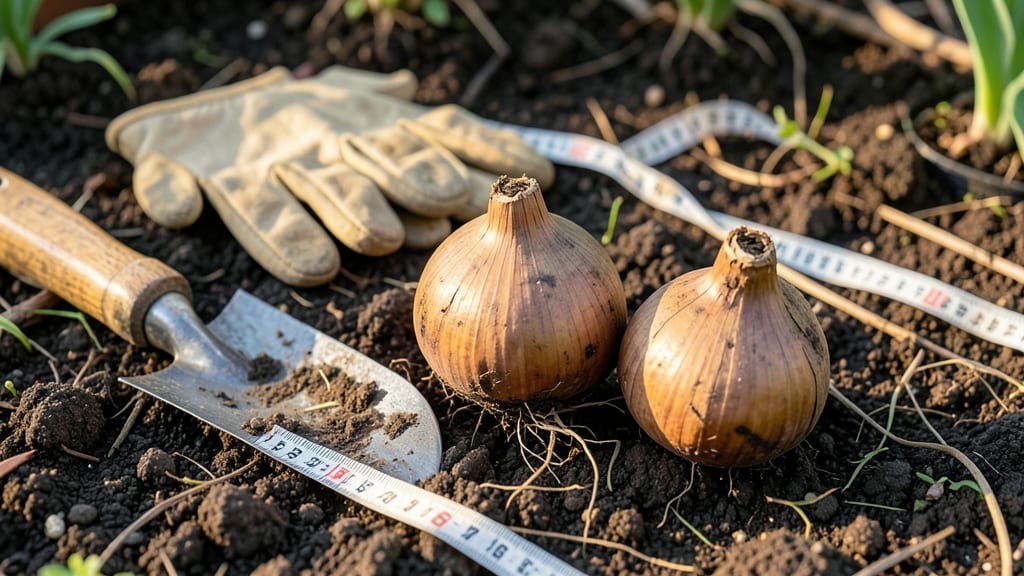
Planting tulip bulbs in the fall is the secret to next spring’s showstopping blooms—and timing matters more than you think. 🌷 I’ve learned the hard way that planting too early or too late means weak stems or no flowers at all.
The ideal window is 6 weeks before your first hard frost, when soil temps drop to 50-60°F but haven’t frozen yet.
Most gardeners in USDA Zones 3-8 can plant between October and November, but check your local frost dates. The bulbs need time to root before winter dormancy, so don’t wait until December!
Dig a hole 6-8 inches deep (twice the bulb’s height) and space them 4-6 inches apart for a lush display.
Once planted, cover the area with 2-3 inches of mulch to protect bulbs from freeze-thaw cycles. This simple step keeps soil temps stable and prevents heaving—when bulbs push up and out of the ground.
By spring, you’ll see sturdy stems and bold blooms that last weeks in vases or garden beds.
Pro tip: Plant daffodils or alliums nearby—they deter squirrels and voles that love digging up tulips. And if you miss the fall window, don’t worry! You can still plant in early spring (just expect smaller blooms that first year).
📚 In This Guide
- What you need
- Instructions
- Tips and common mistakes
- Wrapping up and next steps
What you need
- ● Tulip bulbs: High-quality, disease-free bulbs (choose varieties suited to your climate zone). Quantity: 10–50+ bulbs (depending on desired coverage).
- ● Well-draining soil: Mix of garden soil, compost, and coarse sand (or perlite) for optimal drainage. Spec: pH 6.0–7.0.
- ● Planting site: Full sun (6+ hours of sunlight daily) or partial shade (especially in hot climates).
- ● Watering can or hose: With a gentle spray nozzle for post-planting hydration.
- ● Garden trowel or bulb planter: For digging holes (6-inch depth recommended).
- ● Measuring tape or ruler: To ensure proper bulb spacing (4–6 inches apart).
- ● Garden gloves: To protect hands while handling soil and bulbs.
- ○ Mulch (optional but recommended): Straw, shredded leaves, or pine needles (2–3 inches thick) to insulate bulbs.
- ● Frost date knowledge: Plant bulbs 6–8 weeks before the first hard frost in your area.
- ● Soil prep: Loosen soil to a depth of 12 inches for easy root growth.
- ● Weather check: Aim for cool (40–50°F) but frost-free days for planting.
How to time tulip bulb planting for perfect spring blooms
Mastering fall planting ensures vibrant tulips next spring—here’s the precise timing and technique I use every year.
🌱 Step 1: Determine Your Hardiness Zone for Planting Dates
Tulip bulbs need 6-8 weeks of chilling below 40°F to bloom properly. In USDA Zones 3-5, plant bulbs by mid-October—before the ground freezes. For Zones 6-7, aim for late October to early November, and in Zones 8-10, plant between November and January.
Here’s the trick: Wait until soil temperatures drop to 50°F at night. Use a soil thermometer or check local weather forecasts. Planting too early means bulbs may sprout and get damaged by frost, while waiting too long risks insufficient chilling and poor blooms.
🌿 Step 2: Prepare the Planting Site for Optimal Growth
Choose a location with full sun (6+ hours daily) and well-draining soil—tulips rot in soggy ground. If your soil drains poorly, amend it with 2-3 inches of coarse sand or perlite mixed into the top 6 inches. Test drainage by digging a 1-foot hole, filling it with water, and checking if it drains within 1 hour.
Loosen the soil to a depth of 12 inches with a garden fork or tiller. Break up compacted layers so roots can spread freely. Avoid fresh manure or high-nitrogen fertilizers now—tulips need phosphorus for blooms, not leafy growth. A light application of bone meal at planting time encourages strong root development.
💧 Step 3: Plant Bulbs at the Correct Depth and Spacing
Plant bulbs 6-8 inches deep (about 3 times their height) and 4-6 inches apart for single blooms or 8-12 inches apart for larger clusters. Use a bulb planter or trowel to dig holes—pressing bulbs into place ensures they won’t shift in winter. Place the bulb with the pointy end up (the roots will grow downward).
Cover bulbs with soil and water gently to settle it around the base. Mulch with 2-3 inches of straw or shredded leaves after planting to insulate bulbs from extreme temperature swings. This protects them from freezing and thawing cycles, which can damage emerging shoots.
⏰ Step 4: Monitor Soil Conditions Through Winter
After planting, water lightly if rainfall is minimal to keep soil slightly moist but not soggy until the ground freezes. Once snow covers the area, stop watering—bulbs need dormancy to bloom. In Zones 3-5, snow acts as natural insulation; in Zones 6-10, add an extra layer of mulch if temperatures dip below 20°F.
Watch for signs of early sprouting in mild winters. If green shoots appear before January, cover them with a lightweight frost blanket to protect tender growth. Bulbs planted correctly will stay dormant until spring, when you’ll see 2-inch shoots breaking through the soil—your signal that blooming is just weeks away.
Tips & tricks for perfect tulip planting timing
Timing is everything when it comes to tulip planting—here’s how to avoid common mistakes and ensure your bulbs get exactly what they need for stunning spring blooms.
Zone-Specific Timing: The 6-8 weeks of chilling below 40°F is non-negotiable for tulips, but your exact planting window depends on your hardiness zone. In Zones 3-5, I’ve learned the hard way that planting after mid-October risks insufficient chilling—bulbs may sprout too early and get frost damage. For Zones 6-7, aim for late October when nighttime temps consistently drop below 50°F—this prevents premature sprouting while ensuring proper dormancy.
Soil Temperature Test: Don’t rely on calendar dates alone—soil thermometers are your best friend. I wait until nighttime soil temperatures hit 50°F before planting, even if it means delaying a week or two. Cold soil prevents bulbs from sprouting too soon, which can be fatal if followed by a hard freeze. Pro tip: Check temperatures at dusk when soil cools most rapidly.
Drainage is Non-Negotiable: Tulips will rot in soggy ground, and there’s no coming back from that. The 1-hour drainage test in Step 2 is crucial—if water pools after an hour, amend with 2-3 inches of coarse sand or perlite mixed into the top 6 inches of soil. I’ve seen entire tulip beds fail because gardeners skipped this step, so don’t make that mistake. Also, avoid planting in low spots where water collects.
Winter Protection Strategy: Once planted, your bulbs need consistent cold—but not too cold. In Zones 3-5, snow acts as natural insulation, but in Zones 6-10, add an extra 2-3 inches of mulch if temperatures dip below 20°F. I’ve had bulbs survive -10°F with proper mulching, but unprotected bulbs can freeze and fail to bloom. Watch for early sprouts before January—cover them with frost blankets to protect tender growth.
Pro Tips for When Do U Plant Tulip Bulbs
- Timing is everything when it comes to tulip planting—here’s how to avoid common mistakes and ensure your bulbs get exactly what they need for stunning spring blooms.
- Zone-Specific Timing: The 6-8 weeks of chilling below 40°F is non-negotiable for tulips, but your exact planting window depends on your hardiness zone.
- Soil Temperature Test: Don’t rely on calendar dates alone—soil thermometers are your best friend.
Frequently asked questions
Got questions about planting tulip bulbs? You’re not alone! Here are some of the most common queries—and their answers—to help you grow show-stopping blooms next spring.
When is the absolute latest I can plant tulip bulbs in fall?
Tulip bulbs need chill time (6–8 weeks below 40°F) to bloom well. In most climates, aim to plant by mid-November. If you miss that window, wait until early spring (as soon as the ground is workable) for a smaller but still beautiful display. Just know: late fall plantings may need winter mulch protection!
Can I plant tulip bulbs in late fall or even winter?
Yes, but with caution! If the ground is frozen or snow-covered, wait for a thaw. Plant as soon as possible after the first hard frost (when soil temps drop to 40–50°F). In cold zones (USDA 3–5), you can even plant through snow—just dig deep enough to avoid frozen layers. Pro tip: Mark your spot with flags so you don’t forget!
What if I plant tulip bulbs too early?
Planting too early (before soil cools) can cause bulbs to sprout prematurely, then die in a hard freeze. If this happens, cover the bed with 4–6 inches of mulch (straw or leaves work great) to insulate them. Most bulbs are tough—they’ll bounce back if they survive the winter. Just don’t plant before late September in warm areas!
Can I plant tulip bulbs in containers instead of the ground?
Containers are perfect for small spaces or renters. Use a well-draining mix (add perlite or sand) and plant bulbs pointy end up, 6 inches deep. Place pots in a sheltered spot (like a garage or unheated shed) over winter, then move them outside in spring. Bonus: You can even overwinter them in the fridge (35–45°F) for extra chill time!
Will squirrels or other animals dig up my tulip bulbs?
Unfortunately, yes! Squirrels, chipmunks, and even deer love tulip bulbs. Prevent theft with these tricks:
- Cage bulbs: Use chicken wire over the bed (remove after planting).
- Plant deep: Bury bulbs 8 inches deep—animals dig less.
- Hot pepper spray: Mix cayenne pepper with water and spray around the area.
- Choose alternatives: Daffodils (toxic to critters) or alliums are safer swaps.
What if my tulips don’t bloom next year?
Don’t panic! Tulips often need 2–3 years to establish before blooming reliably. Common causes of no blooms:
- Not enough chill time (try planting earlier next fall).
- Overcrowded bulbs (dig up and divide every 3–4 years).
- Too much nitrogen (fertilize lightly with low-nitrogen food like 5-10-10).
- Deer or pests eating the leaves (let foliage die back naturally—it feeds next year’s blooms!).
Wrapping up and next steps
Planting tulip bulbs in fall—between 6-8 weeks before the ground freezes—is your secret to stunning spring blooms! 🌸 With the right timing, soil prep, and a little care, you’ll enjoy vibrant flowers year after year.
Now that you’re armed with the know-how, grab those bulbs and get digging—your future garden will thank you!
Ready to take the next step? Mark your calendar for early fall, prep your soil, and plant with confidence. Soon, you’ll be the neighbor with the showstopping tulip display! 🌱