
Plants
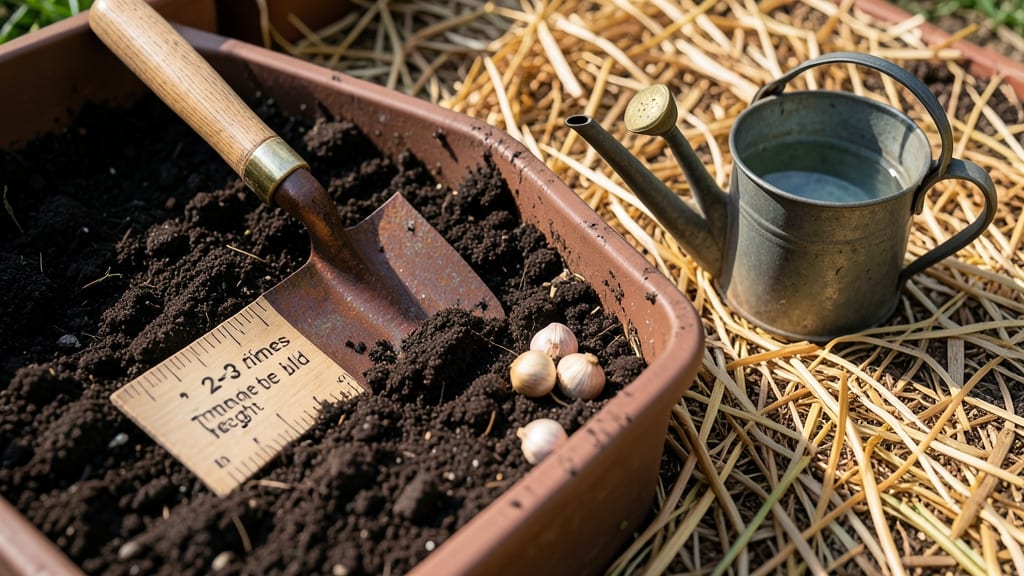
Planting tulip bulbs in Australia during late autumn ensures vibrant spring blooms 🌷 — but timing varies dramatically by climate zone, from Sydney’s mild winters to Perth’s dry heat.
Picture this: you’ve just planted your tulip bulbs, only to wake up to a surprise frost or a heatwave that stunts their growth. That’s why knowing the exact planting window for your region is the difference between a stunning garden and a missed opportunity.
In temperate zones like Melbourne and Adelaide, aim for May to early June when soil temperatures drop below 15°C (59°F). Meanwhile, cooler coastal areas like Tasmania can plant as late as July, while subtropical regions like Brisbane need to act by April to avoid summer heat stress.
Below, I’ll break down the ideal planting months for each zone, soil prep tips to avoid common mistakes, and how to care for your bulbs so they thrive—no matter where you live in Australia.
Best autumn planting months for tulip bulbs in Australia by climate zone
Australia’s diverse climate zones mean tulip bulb planting timing varies dramatically—from cool coastal regions like Melbourne to subtropical areas such as Brisbane. Unlike Northern Hemisphere schedules, Australian tulips need autumn planting to bloom in spring, but the exact window depends on frost risk and soil temperatures.
Miss the mark, and you might end up with no flowers at all.
In temperate zones (e.g., Sydney, Adelaide), aim for late May to early June—just before first frost hits.
For subtropical regions (e.g., Gold Coast, Cairns), plant earlier in autumn (April–May) to avoid summer heat stress. Cool coastal areas like Tasmania or the Victorian Highlands can extend planting until mid-July if frost isn’t imminent.
Here’s the key: soil temperatures should be below 15°C (59°F) but not yet frozen. Use a soil thermometer to check—tulips need cool roots to set buds for spring. In frost-prone zones, plant 6 weeks before the first expected frost to give bulbs time to root.
🌷
| Climate Zone | Best Planting Window | Critical Temperature Threshold | Frost Considerations | Spring Bloom Time |
|---|---|---|---|---|
| Temperate (Sydney, Melbourne, Adelaide) | Late May – Early June | Soil: 10–15°C (50–59°F) | Plant 4–6 weeks before first frost | August – September |
| Subtropical (Brisbane, Gold Coast, Cairns) | April – Early May | Soil: 15–20°C (59–68°F) | No frost risk; avoid summer heat | July – August |
| Cool Coastal (Tasmania, Victorian Highlands) | June – Mid-July | Soil: 5–10°C (41–50°F) | Plant after first frost if ground isn’t frozen | September – October |
| Arid/Inland (Perth, Canberra) | Late April – Early May | Soil: 12–18°C (54–64°F) | Minimal frost; prioritize moisture | August – Early September |
Pro Tip: In hot climates, plant bulbs in shaded spots or use mulch to keep roots cool. 🌡️
If you’re in a frost-prone area, like the Yarra Valley or Hobart, wait until after the first frost but before the ground freezes. Tulips can survive light frosts, but deep freezes will kill emerging shoots.
For subtropical gardens, like those in Queensland, focus on early autumn planting to avoid summer’s heat.
One common mistake? Planting too late in warm zones. If you miss the April–May window in Brisbane, bulbs may sprout too early and get heat-stressed before blooming. Conversely, in cool zones, planting too early (e.g., March) can lead to premature growth and weak stems.
For container gardening, adjust timing slightly—pots heat up faster than garden beds. Plant 1–2 weeks earlier in subtropical regions and 1–2 weeks later in cool zones to match soil temperature cues. Use a thermometer to monitor root-zone temps in containers.
After planting, mulch heavily (5–7 cm) with straw or sugar cane mulch to insulate bulbs and retain moisture. In dry climates, like Perth, water deeply once a week until spring rains begin. Avoid overwatering, which can cause bulb rot.
Remember: Tulips need chill hours to bloom. In warm climates without winter frosts, consider pre-chilling bulbs in the fridge for 8–10 weeks before planting. Store them in a paper bag in the vegetable crisper at 4–7°C (39–45°F).
With the right timing, your tulips will reward you with vibrant spring blooms—whether you’re in frosty Melbourne or sunny Sydney. Start planning now, and mark your autumn planting calendar! 🌿
How to prepare tulip bulbs for Australian soil and climate challenges
Australian gardens present unique challenges for tulips, from our warmer winters to heavy clay soils. Unlike Northern Hemisphere regions, tulips here need extra care to thrive. The key lies in soil preparation and cooling requirements that mimic their natural dormancy.
Let’s break down how to give your tulip bulbs the best start in our diverse climate.
First, choose well-draining soil—tulips hate soggy roots. If your garden has clay-heavy soil, mix in organic matter like compost or coarse sand. Aim for a 6-inch-deep planting hole with loose, crumbly soil.
This ensures bulbs get both oxygen and drainage while preventing rot in our often wet autumns.
⚠️ callout warning
⚠️ Common Mistake: Planting Too Late or Too Early
Australia’s mild winters can trick gardeners into planting tulips too late (after July), delaying blooms. Conversely, planting too early (before May) risks bulbs sprouting before winter chill sets in. Ideal window: May-July—when soil temps drop to 10-15°C and frost is possible in cooler zones.
Pro Tip: In subtropical areas (e.g., Brisbane), plant in late autumn (June-July) to avoid summer heat stress.
Tulips need 6-8 weeks of cold to bloom, but Australia’s mild winters often skip this. If you’re in subtropical or coastal areas, simulate chilling by storing bulbs in the fridge (5°C) for 8 weeks before planting.
For temperate zones, plant directly when night temps drop below 10°C—no extra chilling needed.
Plant bulbs 6 inches deep and 4-6 inches apart in a sunny spot with afternoon shade in hot regions. Use a slow-release fertilizer (high in phosphorus) at planting to encourage root growth. Avoid waterlogging—tulips rot quickly in poor drainage, common in Australia’s heavy clay soils.
After planting, mulch with straw or pine needles to insulate bulbs from temperature swings and retain moisture. In frost-prone areas, a light mulch also protects emerging shoots. Water deeply once after planting, then reduce to weekly light watering—tulips need less water once established.
Finally, resist the urge to fertilize in spring—this can reduce bloom quality. Let bulbs focus on flowering, not foliage. With the right prep, your tulips will reward you with vibrant spring blooms even in Australia’s challenging climate! 🌷