
Plants
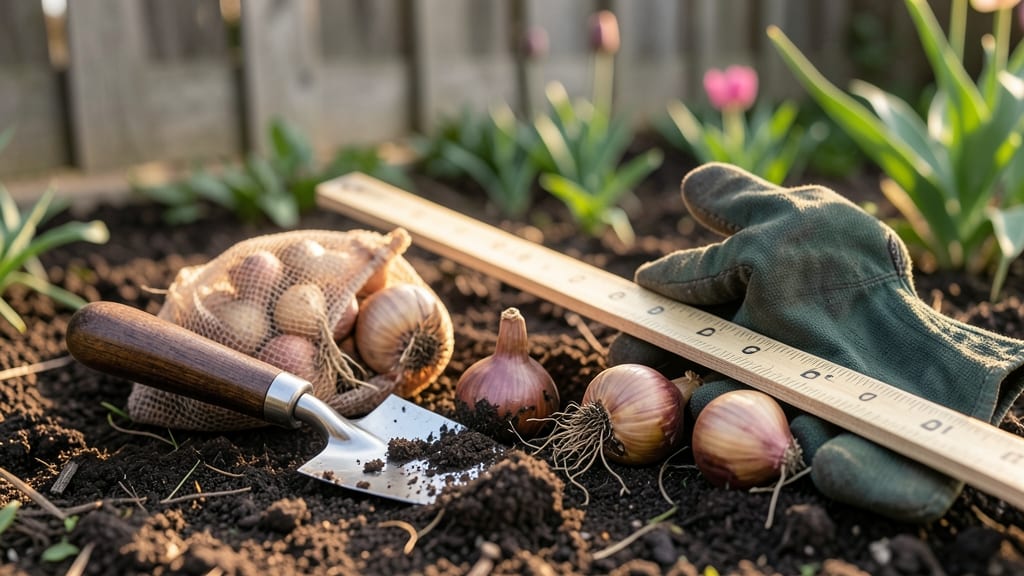
Planting tulip bulbs in North Carolina between October and December is the key to vibrant spring blooms 🌷 — but timing matters just as much as the chill those bulbs need to survive.
North Carolina gardeners know the secret to stunning tulips lies in timing—plant too early, and your bulbs may rot; too late, and they’ll miss the critical winter chill. But with the right fall window and chill requirements, you can ensure vibrant blooms next spring.
In zones 7a-8b, aim for 6-8 weeks before the ground freezes, which usually means mid-October in the Piedmont and early November near the coast. The goal? Let roots establish before winter dormancy kicks in.
Below, I’ll break down the exact months for your region, how to prep soil for NC’s clay-heavy ground, and why some tulip varieties thrive where others flop — so you can skip the guesswork and plant with confidence.
North Carolina’s ideal tulip bulb planting months and fall chill requirements
Timing is everything when planting tulip bulbs in North Carolina. The ideal window spans October through November, but your exact timing depends on your USDA zone (5-8) and local frost dates.
Plant too early, and bulbs may rot in soggy soil; too late, and they’ll miss critical chill hours needed for blooming. Most NC gardeners aim to plant 6-8 weeks before the ground freezes, typically between mid-October and early November.
North Carolina’s climate zones 5-8 create varied chill requirements. Zone 5 (mountains) needs 1,500-2,000 chill hours (below 45°F), while Zone 8 (coastal) only requires 500-800 hours. This means Darwin Hybrid tulips thrive in cooler zones, while Parrot tulips may struggle in warm coastal areas.
Understanding these thresholds ensures your bulbs survive dormancy and bloom reliably.
Here’s your quick reference guide for planting tulips in NC:
For Zone 5 gardeners in the mountains, like those in Asheville or Boone, aim to plant by mid-October.
These areas experience earlier frosts, so bulbs need time to establish roots before winter. Zone 6 (Raleigh, Greensboro) offers a slightly longer window—through early November—but don’t delay past November 15 or risk insufficient chill hours.
In Zone 7 (coastal plains like Wilmington), where winters are milder, plant in early November.
These areas often see fewer than 1,000 chill hours, so choose low-chill varieties like Greefii tulips. Zone 8 (Outer Banks, southeastern NC) is the trickiest—plant in late November and consider microclimate adjustments, like planting near foundations or in south-facing beds for extra warmth.
One common mistake is planting tulips too deep in heavy clay soils, which NC has in abundance. Aim for 6-8 inches deep (3x the bulb’s height) and amend soil with compost or sand to improve drainage. Well-draining soil prevents rot, especially in Zone 5’s wetter winters.
After planting, apply 2-3 inches of mulch to insulate bulbs and retain moisture.
If you’re unsure about your exact chill hours, check your local Cooperative Extension Service or use a chill hour calculator. For example, Charlotte (Zone 7b) averages 1,200 chill hours, while Savannah (Zone 8a) gets only 600.
Matching your bulbs to these numbers maximizes bloom potential and prevents premature sprouting in spring.
Remember, tulips need 6-8 weeks of cold to form flower buds. If your winter is unusually mild, consider planting in containers and moving them to a garage or cold frame during warm spells. This trick works well for Zone 8 gardeners who struggle with insufficient chill.
Finally, label your tulip beds after planting—NC’s mild winters can cause premature sprouting in January or February. If you see green shoots, cover them with mulch to protect from late frosts. With the right timing and chill hours, your
Step-by-step guide to planting tulip bulbs in NC’s climate zones
North Carolina’s diverse climate zones—from the Coastal Plain to the Mountains—create unique challenges for tulip growers. The key to success lies in planting bulbs at the right depth, in well-draining soil, and during the optimal 6-8 week window before the first frost.
In most of NC, this means October through mid-November, but microclimates like the Piedmont may shift that window slightly earlier or later.
Before you dig, test your soil’s drainage. Tulips hate soggy soil—they’ll rot if water pools around their bulbs. Amend heavy clay with compost or sand to improve aeration. For sandy soils, mix in peat moss to retain moisture.
Choose a sunny spot with 6+ hours of sunlight daily, as tulips need full sun to produce their best blooms.
⚠️ callout warning
Planting too early (before September) risks bulb rot, while planting too late (after December) may skip the critical winter chill tulips need. For NC’s Zone 7a-8b, aim for October 15–November 15—adjust 1-2 weeks earlier in the Mountains (cooler) and 1-2 weeks later near the Coast (warmer). Use your last frost date as your guide: count back 6-8 weeks.
💡 Pro Tip: If your fall is unusually warm, plant bulbs deeper (8–10 inches) to delay sprouting until temps drop.
Once your soil is prepped, dig holes 6–8 inches deep—about 3 times the bulb’s height. Space bulbs 4–6 inches apart in rows 8–12 inches apart to allow airflow and reduce disease risk.
Place each bulb pointy end up, ensuring the basal plate (flat bottom) faces downward. This orientation encourages strong root growth and better nutrient uptake.
After planting, water deeply to settle the soil and eliminate air pockets. A 1-inch layer of mulch (straw or shredded leaves) will insulate bulbs over winter and suppress weeds. Avoid heavy mulch in sandy soils, as it can dry out too quickly.
In Coastal NC, where winters are milder, consider a lightweight mulch like pine straw to retain moisture without smothering bulbs.
Post-planting care is minimal but critical. In spring, once shoots emerge (usually March–April), fertilize lightly with a balanced 10-10-10 formula to encourage blooming. Deadhead spent flowers but leave foliage until it yellows—this ensures bulbs store energy for next year.
In Zone 8b (southern NC), you can even plant tulips in January for a late-winter bloom, but prioritize varieties with lower chill requirements like Darwin Hybrids.
Troubleshoot common mistakes: If bulbs sprout too early (before winter), they’ll produce weak stems. To fix this, plant deeper or use a lightweight mulch. For soggy soil, raise beds or plant bulbs on mounds.
And if tulips fail to bloom? They may need more sunlight or a colder winter—consider moving them to a northern exposure or a cooler microclimate like a shaded patio in summer.