
Plants
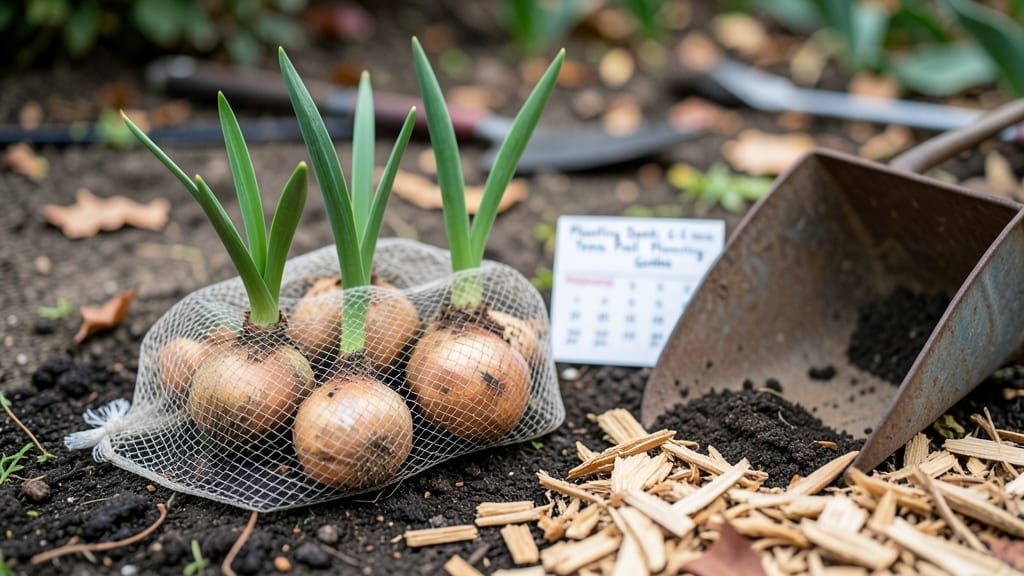
Planting tulip bulbs in Texas requires precise timing—aim for October through December to beat the heat and give roots time to establish before winter.
Texas gardeners know the struggle: scorching summers and unpredictable winters can make planting tulip bulbs feel like a high-stakes gamble—but timing is everything for vibrant spring blooms. One wrong move, and you might end up with wilted shoots or bulbs that refuse to return year after year.
Unlike cooler climates, Texas’s 8a-10b zones demand a different approach. Plant too early, and the bulbs may sprout in fall heat; too late, and they won’t root deeply enough to survive winter.
The key? Focus on soil temps dropping below 60°F—a signal that bulbs can safely go in the ground.
In this guide, I’ll walk you through the exact planting window for North vs. South Texas, soil prep tricks to outsmart our clay-heavy dirt, and the top 5 tulip varieties that actually thrive here. No more guessing—just guaranteed blooms next spring.
Best months to plant tulip bulbs in Texas zones 8B-9A (with exact timing)
Texas gardeners know the struggle: scorching summers and unpredictable winters can make planting tulip bulbs feel like a high-stakes gamble—but timing is everything for vibrant spring blooms. Unlike northern climates, Texas' mild winters and hot summers demand precise timing to ensure bulbs establish roots before winter dormancy.
The ideal window for planting in Zones 8B-9A is mid-October to early December, but microclimates create variations worth understanding.
North Texas (Zone 8B) typically experiences its first hard frost around mid-December, while the Hill Country (Zone 9A) may see frost as late as January.
This means gardeners in the Hill Country have a slightly extended window—planting can safely continue into early January—whereas North Texas gardeners should finish by late November to avoid frost damage to emerging shoots.
Soil temperature is the critical factor here. Tulip bulbs need soil temps between 40-50°F (4-10°C) to root before winter. In Texas, this usually aligns with October-November, but early frosts can push planting earlier.
Use a soil thermometer to confirm—wait until temps consistently stay below 60°F (15°C) during the day.
Here’s a quick reference for Texas regions:
| Region | Ideal Planting Window | Soil Temp Threshold | Key Consideration |
|---|---|---|---|
| North Texas (Zone 8B) | Mid-October – Late November | 40-50°F (4-10°C) | First frost ~Dec 15; plant by Nov 20 |
| Austin/Hill Country (Zone 9A) | Late October – Early January | 50-55°F (10-13°C) | Later frost dates; extend window |
| East Texas (Zone 8A) | Early October – Mid-November | 45-50°F (7-10°C) | Higher humidity; plant earlier |
Planting too early in Texas—like in September—risks bulbs sprouting prematurely during warm spells, only to be fried by summer heat. Conversely, planting after December in most of Texas leaves bulbs vulnerable to frost before they root.
The 6-8 week rule applies: count backward from your area’s first frost date to determine your deadline.
Pro tip: Adjust for microclimates. A north-facing bed stays cooler longer than a south-facing one, so you might plant later in shaded spots. Conversely, urban heat islands (like Dallas) may require earlier planting.
Monitor local weather forecasts for unseasonable warmth—a sudden 70°F (21°C) spell in November can trick bulbs into sprouting too soon.
For container gardeners, timing is even tighter. Pots heat up faster, so aim to plant 2-3 weeks earlier than in-ground bulbs. Use black plastic pots to absorb heat and extend the season slightly, but avoid dark containers in full sun—they can overheat bulbs.
After planting, mulch with 2-3 inches of straw or shredded leaves to insulate bulbs from temperature swings. In Zone 9A, where winters are milder, a lightweight mulch (like pine straw) prevents rot while allowing airflow. Remove mulch in late winter to avoid smothering emerging shoots.
Remember: Texas tulips reward patience. While northern gardeners might see blooms in April, Texas varieties often wait until late April or May—but the wait is worth it for those bold, vibrant flowers popping up after our long, hot summers.
With the right timing, your tulips will naturalize and multiply, becoming a reliable spring staple for years to come. 🌷
How to prepare Texas soil for tulip bulbs before planting (critical steps)
Texas soil can be a double-edged sword for tulip bulbs—rich in nutrients but often clay-heavy and prone to poor drainage. Without proper prep, your tulip bulbs may rot before they even sprout.
The key lies in creating a well-aerated, slightly acidic soil mix that mimics their native European conditions while adapting to our humid, hot summers. Start by testing your soil's pH level—tulips thrive in 6.0 to 7.0, and Texas soils often skew alkaline.
If your soil fails the squeeze test (clumps tightly when wet), it’s time to amend. Organic matter like compost or aged manure works wonders, but avoid fresh manure—it can burn bulbs and attract pests.
Mix in 2-3 inches of compost into the top 12 inches of soil, where your bulbs will reside. For heavy clay, consider adding coarse sand or perlite to improve drainage without compacting the soil further.
⚠️ callout-warning ⚠️
⚠️ Texas Soil Pitfall: Planting Too Late or Too Early
Mistake: Planting tulip bulbs in September (too early) or December (too late) risks rot from lingering warmth or freeze damage before roots establish. Texas's variable frost dates (North: Dec 15, South: Jan 15) demand precision—aim for 6-8 weeks before first frost.
✅ Fix: Use a soil thermometer—ideal planting temps are 50-60°F. In Zone 8B-9A, this typically lands in mid-October to early November.
🌱 Pro Tip: Mulch with 2-3 inches of straw after planting to insulate bulbs from temperature swings and retain moisture.
Don’t overlook drainage—even amended soil can trap water in Texas’s humid winters. Elevate bulbs in raised beds or mounds if your yard has low spots. A 5-gallon bucket test works: Fill it with water, then drain.
If it empties in less than 30 minutes, your soil drains well. If not, add more sand or peat moss to the mix. For containers, use a pot with drainage holes and a 2-inch layer of gravel at the bottom.
Incorporate a slow-release fertilizer like 10-10-10 (low nitrogen) at planting to avoid overfeeding, which can lead to leafy growth at the expense of blooms.
Work it into the soil 2-3 inches deep around each bulb, but keep it 3 inches away from the bulb itself to prevent root burn. Over-fertilizing in Texas’s heat can also attract squirrels, who love the scent of fresh fertilizer.
Finally, avoid tilling after amending—it disrupts the soil structure and can damage bulb roots. Instead, use a broadfork to loosen soil gently. If your garden soil is sandy (common in West Texas), add 1 part compost to 3 parts soil to retain moisture.
For clay-heavy areas (East Texas), aim for a 50/50 mix of clay and amendments. Test your work by digging a 6-inch hole—the soil should feel crumbly yet moist, like a well-worn sponge.
With these steps, your Texas soil will provide the perfect foundation for tulip bulbs to thrive—delivering bold blooms come spring despite our challenging climate. The secret? Patience and precision in prep pay off in vibrant results. 🌷