
Planting
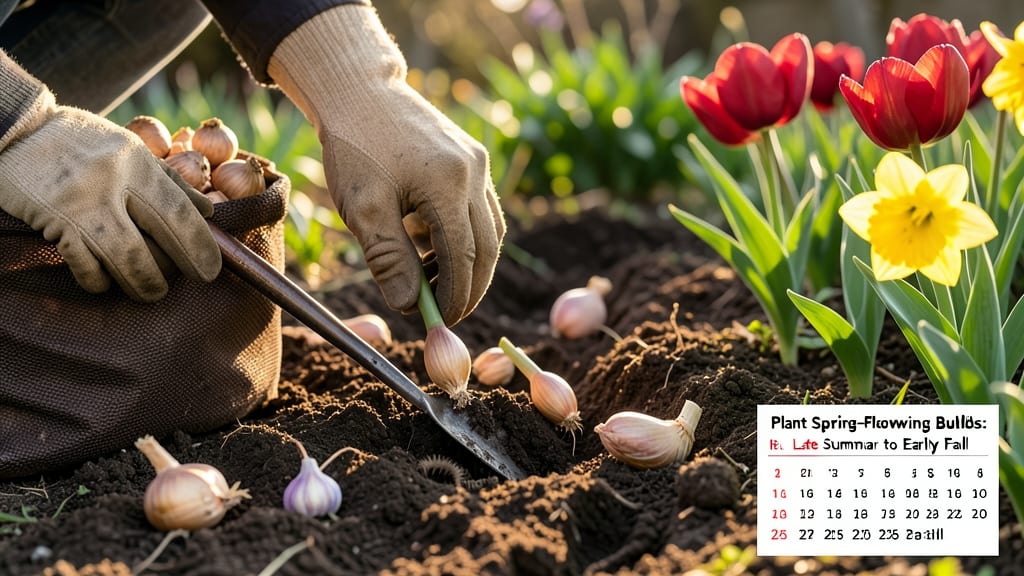
The best time to plant spring flowering bulbs is 6-8 weeks before your first frost—typically in September or October for most of the U.S. 🌷
Miss that window, and you might end up with nothing but dirt where your tulips and daffodils should bloom. The secret lies in letting bulbs experience a cool, dormant period—nature’s way of prepping them for spring’s big show.
Whether you’re in Zone 6a or further south, the right timing ensures your bulbs get the chill they need without rotting in wet soil. Below, I’ll break down the exact months by region, plus how to handle early vs. late bloomers.
You’ll also discover chill-ready varieties that skip the fuss, common planting mistakes to avoid, and how to force-chill bulbs if your fall runs short. Let’s get those blooms scheduled!
Exact planting months for spring flowering bulbs by USDA Hardiness Zone
Planting your spring flowering bulbs at the right time is the secret to show-stopping blooms next year. But with USDA zones 3 through 10 having wildly different frost dates, timing can feel like a guessing game. The key?
Planting 6-8 weeks before your first frost—but with store-bought bulbs, you may need to trick them into thinking winter's already arrived. Let’s break down the exact months for your zone, plus how to handle pre-chill requirements for tulips, daffodils, hyacinths, and alliums.
For Zone 3-5 gardeners, your window is narrow but critical—aim for mid-September to early October. In Zone 6-8, you’ve got more flexibility with October to early November, while Zones 9-10 can plant as late as December (though cooler winters may require pre-chilling).
The goal is to give bulbs time to root before the ground freezes, but not so early that they sprout and get fried by winter cold.
Here’s the comparison table with exact planting months by zone, plus pre-chill tips for store-bought bulbs:
| USDA Zone | Ideal Planting Month | Late Planting Window | Pre-Chill Needed? | Best Bulb Picks |
|---|---|---|---|---|
| 3-4 | Mid-September to early October | Early November (if soil is workable) | Yes (12-16 weeks) | Daffodils, Alliums, Crocus |
| 5-6 | Late September to October | Early November | Yes (8-12 weeks) | Tulips, Hyacinths, Grape Hyacinths |
| 7-8 | October to early November | Mid-November | Sometimes (4-8 weeks) | Dwarf Tulips, Miniature Daffodils |
| 9-10 | November to December | Early January (mild winters) | Often (12+ weeks) | No-Chill Daffodils, 'Ice Follies' Tulips |
If you’re buying bulbs from stores in warmer zones (7-10), they often need pre-chilling to mimic winter.
For tulips and hyacinths, place them in a paper bag with a moist paper towel and refrigerate for 8-12 weeks before planting. Daffodils are more forgiving—just plant them as soon as possible after purchase. Pro tip: Label your bulbs with their chill requirements to avoid mix-ups!
For Zone 3-5 gardeners, focus on hardy varieties like daffodils ('Ice Follies') and alliums ('Globemaster'), which tolerate colder soils. In Zones 9-10, where winters are mild, opt for no-chill varieties or force-chill store-bought bulbs. The key is matching your bulb type to your climate—don’t assume one-size-fits-all!
Once planted, mulch with 2-3 inches of straw or leaves to insulate bulbs from freeze-thaw cycles. In Zone 6-8, where winters fluctuate, this step can make the difference between blooms and busts.
Avoid mulching too early—wait until the ground cools to 50°F (10°C) to prevent rot. And remember: depth matters! Plant bulbs 2-3 times their height deep (e.g., a 2-inch bulb goes 4-6 inches down).
What if you missed the window? Don’t panic! In Zones 7-10, you can plant as late as December (or even January in Zone 10) for spring blooms, though expect smaller flowers. For Zones 3-6, late planting risks frost damage—stick to early November at the latest.
If your soil is rock-hard or frozen, wait for a warmer spell to dig a hole and plant anyway. Bulbs are tougher than you think!
After planting, water deeply to settle the soil, then reduce watering until spring. Overwatering in winter can drown bulbs, while underwatering stresses them. Aim for moist but not soggy soil. In Zone 9-10, where rains are frequent, ensure your planting site has good drainage to prevent rot.
A 5-minute soil check (dig a hole—if water pools after 30 minutes, amend with sand or compost).
Finally, mark your planting spots with stakes or flags to avoid disturbing bulbs in spring. Come March, you’ll know exactly where to look for those first colorful pops of tulips, daff
Chill-ready spring bulbs: which varieties bloom best with minimal pre-chilling?
Not all spring bulbs need months of winter chill to bloom—some varieties are bred to flower beautifully with minimal cold exposure. If you live in a warmer climate (Zones 7-10) or want to plant bulbs early in mild fall months, these low-chill or no-chill varieties are your best bet.
They’ll still produce stunning blooms without the traditional 6-8 week chill period most gardeners rely on.
For gardeners in colder zones, don’t worry—you can still force-chill store-bought bulbs using simple refrigerator tricks or outdoor cold frames. This ensures even high-chill varieties like classic tulips will bloom on time. The key is knowing which varieties are naturally chill-resistant and how to simulate winter conditions when needed.
Top 10 Low-Chill Spring Bulbs for Easy Blooms
- 🌷 'Ice Follies' Tulips – No-chill variety with frilly white blooms; perfect for Zones 5-9 with minimal winter exposure.
- 🌼 'Tête-à-Tête' Daffodils – Dwarf variety (6-8 inches tall) that thrives with 2-4 weeks of chill; ideal for containers.
- 💛 'Pink Charm' Hyacinth – Low-chill (4-6 weeks) and fragrant; blooms reliably in Zones 6-10.
- 🌻 'Grape Ice' Allium – No-chill ornamental onion with purple globe flowers; great for cutting gardens.
- 🌸 'Paperwhite' Narcissus – Zero chill; forces beautifully indoors in winter months for early spring color.
- 🌿 'Purple Sensation' Crocus – Early bloomer with 3-4 weeks of chill; naturalizes effortlessly.
- 🌺 'Blue Magic' Grape Hyacinth – Low-chill (4 weeks); thrives in woodland gardens or under trees.
- 🌹 'Red Emperor' Tulip – Moderate-chill (6 weeks); best for Zones 4-8 with early planting.
- 🌿 'White Dream' Fritillary – No-chill; produces delicate, spider-like flowers in spring.
- 🌼 'Yellow Cheerfulness' Daffodil – Low-chill (4 weeks); deer-resistant and long-lasting.
All varieties listed can be planted 6-8 weeks before first frost for best results.
If you’re planting in Zones 7-10, these varieties will often bloom without any pre-chilling. For example, 'Paperwhite' narcissus can be forced indoors in late fall and will flower in as little as 6-8 weeks.
Meanwhile, 'Tête-à-Tête' daffodils are perfect for container gardens because they’re compact and don’t require deep soil.
For gardeners in colder zones (3-6), you can still grow these varieties by force-chilling bulbs before planting. Place bulbs in a paper bag with moist peat moss and store them in your refrigerator’s crisper drawer for 6-8 weeks before planting.
This mimics winter conditions and ensures blooms on time. Just be sure to plant them outdoors 4-6 weeks before your last frost date.
Pro tip: If you’re unsure about your local chill hours, check your USDA Hardiness Zone and compare it to the chill requirements of your chosen bulbs. Most nurseries list this information on their bulb packaging, so you can make an informed choice before buying.
For example, 'Ice Follies' tulips are labeled as "no-chill", while classic Darwin tulips typically require 12-15 weeks of chill.
With the right chill-ready varieties and a little planning, you can enjoy vibrant spring blooms no matter your climate—whether you’re in freezing Zone 3 or mild Zone 10.
Start by choosing bulbs that match your local chill hours, then plant them at the optimal fall window for your area. Happy gardening! 🌿