
Plants
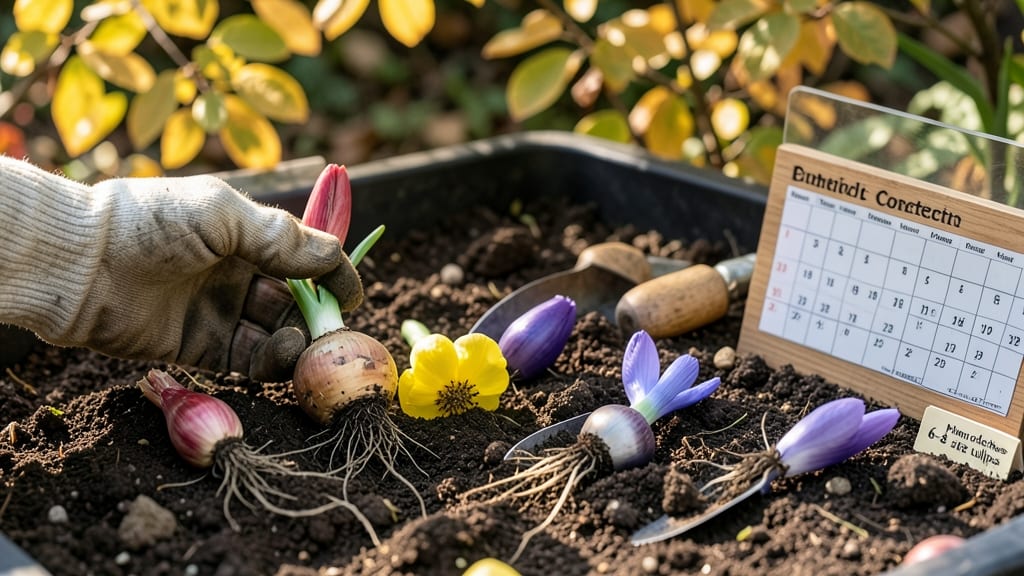
Plant bulbs in Connecticut between mid-October and mid-November for the best chance at vibrant spring blooms 🌷—a window that balances soil warmth and frost risk.
You’ve probably dug in the garden only to find your bulbs rotted before winter set in, or worse, planted too late and missed the chill they need to bloom.
Connecticut’s Zone 6a climate makes timing tricky, but the key is understanding how long each bulb needs to root before the ground freezes.
Spring flowering bulbs like tulips and daffodils thrive when planted 4-6 weeks before frost, while hardier varieties like crocus can handle later dates. Below, I’ll break down the exact months for your favorite bulbs, plus soil prep tricks to beat Connecticut’s unpredictable falls.
By the end, you’ll know not just when to plant, but how to adjust for wet soil, early frosts, or even a late-season heatwave—so your garden wakes up to a carpet of color next spring.
Best planting months for bulbs in Connecticut by chill requirements
Connecticut’s USDA Zone 5-6 climate creates a delicate balance for planting bulbs—too early, and they’ll rot; too late, and they won’t bloom. The key lies in understanding each bulb’s chill requirement, which dictates when they need to be planted to trigger flowering.
Most spring-flowering bulbs (like tulips and daffodils) need 6-16 weeks of cold temperatures below 40°F to break dormancy. Connecticut’s average first frost around November 15 sets the stage for ideal planting windows.
Fall is the critical season for planting bulbs in Connecticut, but not all bulbs thrive with the same timing. For example, tulips require 12-16 weeks of chilling, while daffodils need only 8-12 weeks.
This means planting tulips too late in November might result in weak or no blooms, while daffodils planted in early October could emerge too soon and get damaged by late frosts. Understanding these nuances ensures your bulbs bloom beautifully next spring.
Soil temperature is another critical factor—bulbs should be planted when soil temps drop below 60°F but before the ground freezes. In Connecticut, this typically falls between mid-October and mid-November, but exact timing depends on your specific microclimate (e.g., coastal areas may stay warmer longer than inland regions). Always aim to plant 4-6 weeks before the first hard frost, which usually hits Connecticut by early November.
For spring-flowering bulbs, the ideal planting window in Connecticut is between mid-October and mid-November. This ensures bulbs receive enough cold to trigger blooming but aren’t planted so late that they rot before winter.
For example, tulips planted in early November might still get enough chill, but those planted in late November could struggle in milder coastal areas. Always check your local frost dates—Connecticut’s first hard frost can vary by 1-2 weeks depending on elevation and proximity to water.
If you miss the fall window, some bulbs like daffodils and allium can be planted as late as December, but this risks weaker blooms or no flowers at all.
For fall-flowering bulbs like crocus, which bloom in late winter or early spring, planting in late September to October is ideal. These bulbs need less chill (4-8 weeks) and can even emerge through snow, making them perfect for Connecticut’s unpredictable winters.
One common mistake Connecticut gardeners make is planting bulbs too shallowly. Bulbs should be buried 6-8 inches deep (or 3 times their height) to protect them from freeze-thaw cycles and rodent damage.
Use a trowel or bulb planter to dig holes, then add a handful of bone meal or compost to the bottom for nutrients. After planting, mulch with 2-3 inches of straw or leaves to insulate the soil and
How to adjust planting for Connecticut’s unpredictable fall weather
Connecticut’s fall weather is famously fickle—one week brings unseasonably warm temperatures, the next delivers a surprise frost that can shock tender bulbs. When planting spring-flowering bulbs like tulips or daffodils, timing is critical.
The key is balancing soil temperature (ideal: 50–60°F) with frost dates, which can vary by 2–3 weeks across the state. Here’s how to adapt your planting schedule to Connecticut’s whims.
Start by checking your local first frost date—most of Connecticut falls under USDA Zone 6a, where the average first frost hits around November 15. However, early frosts in western CT can occur as early as October 20, while coastal areas might delay until November 30.
Aim to plant bulbs 4–6 weeks before the ground freezes to allow roots to establish without encouraging rot in wet soil.
⚠️ callout warning ⚠️
⚠️ Critical Mistake: Planting Tulips Too Early
Tulips need 6+ weeks of chilling to bloom, but planting them in September (when soil is still warm) risks premature sprouting and rot. If your fall stays unseasonably warm, opt for daffodils (they tolerate cooler soil) or delay tulips until mid-October.
💡 Pro Tip: Use a soil thermometer—plant when temps consistently drop below 60°F at 6-inch depth.
For wet soil conditions, which are common in Connecticut’s fall, improve drainage by amending the soil with compost or sand before planting. Bulbs planted in waterlogged soil are prone to rot diseases, so raise beds or plant on mounds if your yard stays soggy.
If rain delays planting, cover bulbs with a lightweight row cover to protect them from heavy downpours while allowing airflow.
Mulching is another game-changer. Apply a 2–3 inch layer of straw or shredded leaves after planting to insulate bulbs from temperature swings and retain moisture. Avoid thick mulch layers, which can suffocate bulbs or attract pests.
In years with late-season warmth, mulch also helps bulbs resist premature sprouting until winter fully sets in.
If Connecticut’s weather throws you a curveball—like a warm October followed by an early November frost—have a backup plan. Store bulbs in a cool, dark place (like a garage) until conditions stabilize.
For tulips and hyacinths, which need longer chilling, you can even plant them in late November if soil temps drop below 50°F. Just be prepared to cover them with mulch immediately.
Finally, group bulbs by chill requirements to maximize blooms. Daffodils (4–6 weeks of chilling) are more forgiving than tulips (8–10 weeks), so plant them first if your fall runs warm.
For reliable blooms, mix in alliums or crocus, which thrive in Connecticut’s cool, moist springs and tolerate later planting.