
Planting
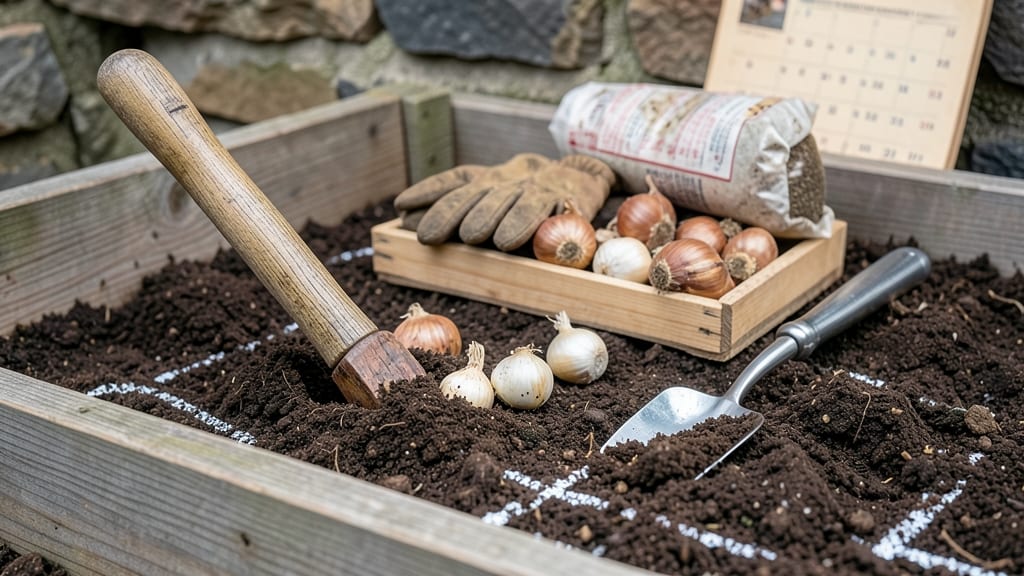
Planting bulbs in your garden at the right time ensures vibrant blooms next spring 🌱 — and missing the window means waiting another year.
Timing your bulb planting correctly can mean the difference between a showstopping spring display and a missed opportunity. Whether you're in the chilly USDA Zone 6a or a warmer region, the clock starts ticking in early fall for most varieties.
Most bulbs need to root before the ground freezes, which is why September through November is the ideal window for fall planting. But did you know some summer-flowering bulbs like dahlias need a spring start instead?
Below, I break down the exact frost-free timeline by zone, soil prep secrets, and how to adjust for your climate—so you never plant too early or too late again.
USDA zone planting timeline for spring-flowering bulbs
Planting spring-flowering bulbs like tulips, daffodils, and hyacinths at the right time ensures vibrant blooms next season. The key is planting them 6-8 weeks before the first frost—this gives roots time to establish before winter dormancy.
In warmer zones, timing shifts slightly to avoid summer heat stress. Let’s break down the perfect planting windows by USDA zone and soil conditions to maximize your bulb success.
Most spring-flowering bulbs need cool soil temperatures (50-60°F) to trigger root growth. Planting too early in warm soil can cause premature sprouting, while waiting too long risks frost damage. Regional exceptions apply—coastal areas with mild winters may have extended windows, while inland zones face stricter deadlines.
Below, you’ll find a zone-by-zone guide with soil temperature thresholds and frost-free planting windows tailored to your climate.
🌱 Pro Tip: Use a soil thermometer to confirm temperatures before planting. Aim for 60°F or cooler for optimal root development.
In USDA zones 3-4, where winters are harsh, focus on planting daffodils and crocuses by early October. These hardy bulbs tolerate colder soils and often bloom earlier than tulips.
For zones 5-6, prioritize tulips and hyacinths in late September to early October, as their roots need time to establish before ground freezes. Warmer zones (7-11) shift later—plant in October or November to avoid summer heat stress, which can cause bulbs to sprout prematurely.
If you’re in a coastal climate (e.g., Pacific Northwest), extend your planting window by 2-3 weeks. Mild winters mean soil stays workable longer, but avoid planting when temperatures exceed 65°F. In desert regions (e.g., Arizona), plant by late October to prevent winter drought stress.
Always check your local last frost date—aim to plant 6-8 weeks before to give roots time to anchor.
🌿 Soil Prep Tip: Amend heavy clay soil with compost to improve drainage. Bulbs rot in waterlogged conditions, so ensure your planting
How to adjust planting time for fall vs. spring bulbs
Not all bulbs follow the same planting schedule—some need a cool winter dormancy to bloom in spring, while others thrive when planted in early spring for summer color. The key difference lies in their natural growth cycles and how they respond to temperature shifts.
For example, daffodils and tulips (spring-flowering) must be planted in fall, while dahlias and gladiolas (summer-flowering) wait for spring planting. Understanding these distinctions saves you from missed blooms or wasted bulbs.
Your USDA zone plays a critical role in adjusting timing. In colder zones (3-6), fall planting must happen 6-8 weeks before frost to allow roots to establish before winter. Meanwhile, warmer zones (7-11) can plant later in fall or even early winter.
For spring-planted bulbs like dahlias, wait until soil warms to 60°F—typically March-April in most regions—to avoid frost damage to tender shoots.
Here’s how to align your planting with bulb types and zones:
-
1. Fall-Planted Bulbs (Spring Blooms)
Examples: Daffodils, Tulips, Hyacinths, Crocuses
When: 6-8 weeks before first frost (Sept-Nov in most zones)
Zone Adjustments: Zones 3-6: September-October | Zones 7-11: October-November -
2. Spring-Planted Bulbs (Summer Blooms)
Examples: Dahlias, Gladiolas, Caladiums
When: After last frost, soil at 60°F+ (March-April)
Zone Adjustments: Zones 3-5: Wait until May | Zones 6-11: March-April -
3. Soil Prep for Fall Planting
Action: Loosen soil to 12 inches deep, mix in compost
Key: Well-draining soil prevents rot in winter -
4. Spring Planting Depth Rules
Action: Plant 2-3 times bulb height deep (e.g., 6-inch dahlias go 12-18 inches deep)
Tip: Use mulch to retain warmth -
5. Warm-Zone Exceptions
Action: In zones 9-11, plant spring bulbs in fall but cover with mulch to protect from mild winters
Example: Dahlias can be fall-planted in zone 10 with 12-inch mulch
Pro tip: Use a soil thermometer to confirm 60°F soil for spring plantings—cold soil can stunt root growth. For fall plantings, aim for 40-50°F soil to encourage root development before frost.
In my Zone 6a garden, I’ve found that planting daffodils in late October (not November) gives them enough time to root before winter, while dahlias planted in early May bloom reliably by July.
One common mistake is assuming all bulbs follow the same schedule. Spring-flowering bulbs need winter’s chill to bloom, while summer-flowering bulbs thrive with early warmth. For instance, tulips planted in spring won’t bloom until next year—they need that dormancy period.
Always check the bulb’s specific needs on the packaging or a reliable gardening resource.
Adjusting your planting time based on bulb type and zone ensures vibrant blooms year after year. Start with fall-planted classics like daffodils for early spring color, then add spring-planted dahlias for summer drama. Your garden will thank you with longer bloom seasons and fewer missed opportunities! 🌷