
Plants
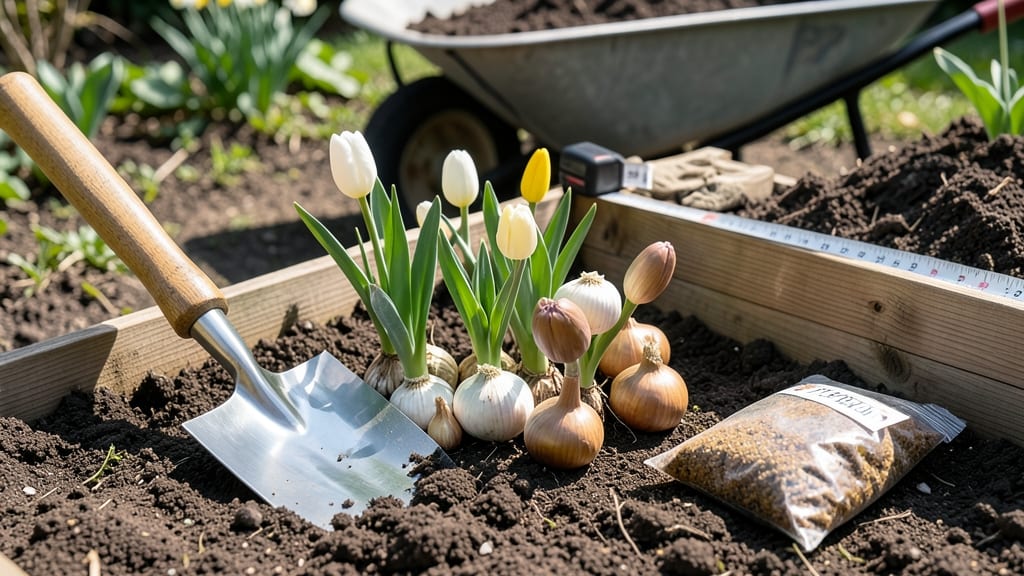
Planting bulbs in Houston at the right time is the difference between a showstopping spring garden and a sad, wilted mess.
Houston’s humid subtropical climate can make or break your bulb garden—plant too early, and they’ll rot; too late, and you’ll miss the blooms. Here’s the exact planting schedule to ensure vibrant tulips, daffodils, and crocuses thrive in your yard.
Fall is your best window for most bulbs, with September through November offering ideal conditions before winter sets in. But spring planting also works for certain varieties, as long as you time it right after the last frost.
Below, I’ll walk you through the perfect months for Houston, soil prep tips to beat the heat and humidity, and how to pick bulbs that actually survive our climate. No more guessing—just reliable blooms.
Houston’s ideal bulb planting months by type (fall & spring guide)
Houston’s humid subtropical climate means timing is everything for bulbs. Plant too early, and they’ll rot in the heat; too late, and they won’t establish roots before winter. The key is working with Houston’s Zone 8a-9a conditions to ensure vibrant blooms from tulips, daffodils, crocuses, and hyacinths.
Most bulbs thrive when planted in fall (September-November) for spring blooms, but Houston’s warm winters allow some summer-planted varieties. I’ll break down the exact months for each type, plus Houston-specific tips to beat the heat and humidity.
⚠️ Critical Note: Houston’s soil stays warm late into fall. Plant bulbs 6-8 weeks before your first frost (typically mid-December) to avoid rot. For spring planting, wait until February after last frost—usually mid-February.
For spring-blooming bulbs (like tulips and daffodils), Houston’s fall planting window is October-November. This gives roots time to establish before Houston’s mild winters. I recommend planting after Halloween to avoid late-season heat stress.
Houston’s summer-planted bulbs, like rain lilies, are your secret weapon. These heat-loving varieties bloom in fall and thrive in Houston’s Zone 9a climate. Plant them in June-July for September-November blooms, just as summer fades.
Pro tip: Use well-draining soil mixed with sand or compost to prevent rot in Houston’s heavy clay. Amend soil with bone meal at planting for extra phosphorus—bulbs need it to bloom spectacularly.
If you’re new to bulbs, start with daffodils or rain lilies. They’re the most Houston-proof options, handling our heat, humidity, and even occasional flooding. For bold colors, try 'Darwin Hybrid' tulips—they’re heat-tolerant and disease-resistant.
Remember: Houston’s humidity can cause fungal issues. Space bulbs 3-4 times their width apart and avoid overhead watering. Mulch with pine straw after planting to keep soil cool and moist.
🌷
How Houston’s climate affects bulb success (and how to adjust)
Houston’s humid subtropical climate with hot summers and mild winters creates unique challenges for bulbs. The high humidity and heat spikes can stress traditional varieties, while soil temperature fluctuations often lead to premature sprouting or rot. Unlike cooler climates, Houston’s Zone 8a-9a requires careful adjustments to ensure bulbs thrive.
One of the biggest hurdles is soil warmth lingering into winter. Traditional bulbs like tulips and daffodils need cool soil to trigger blooming, but Houston’s ground stays too warm. This causes bulbs to sprout too early and get fried by unexpected freeze-thaw cycles.
Additionally, excessive summer heat can cause bulbs to bolt prematurely or fail to store energy for next year’s blooms.
To combat these issues, I recommend native-friendly bulbs like rain lilies (Zephyranthes) or spider lilies (Hymenocallis), which handle Houston’s heat and humidity better. These tropical bulbs thrive in Zone 9a and often rebloom year after year without needing winter dormancy.
However, they may lack the classic spring color of tulips or daffodils.
Houston Bulb Planting: Traditional vs. Native-Friendly
- Classic spring blooms (tulips, daffodils)
- Wide color variety available
- Familiar garden aesthetics
- Struggle with Houston heat
- Need extra care (mulch, shade)
- May rot in wet soil
- Thrive in Zone 9a heat
- Low maintenance needed
- Often rebloom yearly
- Limited color options
- Less winter hardy in cold snaps
- May not suit traditional gardens
For traditional bulbs, I adjust planting times to avoid Houston’s heat. Plant fall-blooming bulbs like crocuses in November-December (instead of September) to delay sprouting until cooler weather arrives. Use 3-4 inches of mulch to insulate soil and protect roots from temperature swings.
For summer-blooming bulbs like rain lilies, plant in early spring (March) to establish roots before the heat peaks.
Another key adjustment is shade placement. In Houston’s intense afternoon sun, place bulbs under dappled shade from trees or shrubs. This prevents leaf scorch and helps bulbs conserve energy.
For example, tulips planted near oak trees often survive longer because the filtered light reduces stress. Just avoid dense shade, which can weaken blooms.
Finally, choose heat-tolerant varieties like ‘Darwin Hybrid’ tulips or ‘Ice Follies’ daffodils, bred to handle warmer climates. Pair them with native companions like blackfoot daisies to create a low-maintenance, climate-adapted garden. With these adjustments, you’ll enjoy reliable blooms despite Houston’s challenges! 🌷