
Plants
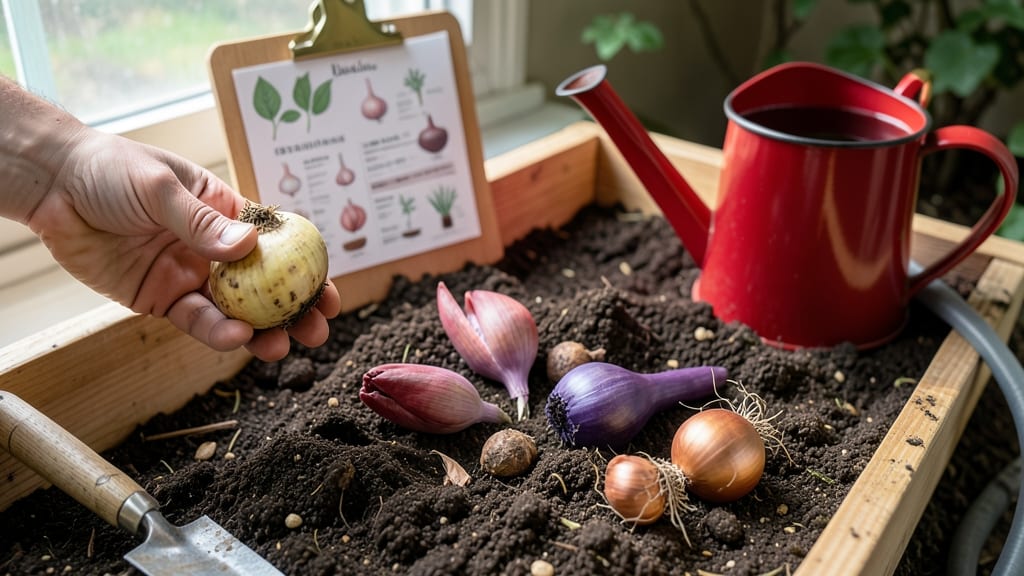
Plant bulbs in Oregon between October and December for fall bloomers or February to March for spring varieties — timing this right is the secret to perfect blooms every year.
Oregon gardeners know timing is everything — plant too early, and your 🌷 bulbs rot in soggy soil; too late, and you’ll miss the frost window that triggers blooms.
In USDA Zones 8 and 9, the 6-8 week rule before the ground freezes (usually late October to early November) is your golden window for fall planting.
But Oregon’s microclimates complicate things: coastal areas like the Willamette Valley stay milder longer, while inland spots like Bend freeze earlier. That’s why I’ll break down the exact months for each zone, plus the top 5 bulbs that thrive here — from hardy daffodils to showstopping hyacinths.
Ready to guarantee vibrant spring blooms? I’ll walk you through soil prep, planting depth, and post-winter care so your bulbs wake up ready to shine.
Oregon bulb planting calendar: exact months for zones 8 and 9
Oregon’s USDA Zones 8 and 9 offer unique challenges for bulb planting—mild winters, high rainfall, and variable frost dates demand precision. Unlike colder regions, you can plant spring-blooming bulbs (like tulips and daffodils) as late as December in Zone 9 or even early January in sheltered microclimates.
Meanwhile, fall-blooming bulbs (such as crocuses and snowdrops) thrive when planted in late summer to early fall, avoiding Oregon’s heavy autumn rains that can rot bulbs.
Timing isn’t just about months—it’s about soil temperature and frost risk. In Zone 8 (e.g., Eugene, Corvallis), aim to plant 6-8 weeks before the first frost (typically October 15–November 15).
In Zone 9 (e.g., Medford, Ashland), you have until December 1 in most years, but coastal areas may need earlier planting due to wetter winters. Use these guidelines to align your planting with Oregon’s variable climate.
Pro Tip: Test your soil’s readiness by pushing a bulb into the ground—if it meets resistance at 6–8 inches deep, the soil is firm enough to plant. Oregon’s clay-heavy soils in many areas benefit from amending with compost before planting to improve drainage, especially in Zone 9’s wetter microclimates.
For Zone 8 gardeners, focus on planting spring-blooming bulbs between October and November—this ensures they establish roots before winter’s mild but wet conditions set in. In Zone 9, where winters are even milder, you can extend planting into early December, but monitor rainfall forecasts.
If heavy rains are predicted, plant 2–3 weeks earlier to avoid waterlogged soil, which can cause bulbs to rot.
Oregon’s coastal areas (e.g., Cannon Beach, Newport) have cooler, wetter microclimates, so plant 2 weeks earlier than inland zones.
Inland Zone 9 (e.g., Bend, Redmond) can sometimes handle January planting for hardy varieties like daffodils, but always check local frost dates—some years, unexpected cold snaps occur even in mild zones.
After planting, mulch with 2–3 inches of straw or leaves to insulate bulbs from temperature fluctuations and retain moisture. In Zone 9’s wetter winters, avoid thick mulch layers that trap excess moisture.
Instead, opt for well-draining mulch like cedar chips to prevent rot. Remove mulch in early spring once new growth appears to allow sunlight to reach emerging foliage.
One of my favorite Oregon-specific tricks is planting tulip bulbs in containers for winter display. Fill pots with well-draining potting mix, plant bulbs in October–November, and place them in a sheltered outdoor spot (like a covered porch).
This extends your blooming season and protects bulbs from heavy winter rains. Just remember to water sparingly during Oregon’s wet winters—containers dry out faster than garden beds.
If you’re unsure about your local frost dates, use Oregon State University’s
Top 5 bulbs that thrive in Oregon’s climate (and when to plant them)
Oregon’s mild winters and moist climate create the perfect conditions for hardy bulbs that reward gardeners with early spring color. Unlike hotter climates, Oregon’s cool, wet winters and mild summers suit bulbs that thrive in well-draining soil and tolerate occasional rain.
The key? Choosing varieties that resist rot and bloom reliably year after year.
From deer-resistant daffodils to fragrant hyacinths, these top 5 bulbs outperform others in Oregon’s USDA Zones 8 and 9. Each variety is selected for its adaptability to local conditions, including acidic soil and variable rainfall.
Let’s dive into the best picks and their ideal planting windows to ensure your garden bursts into color come spring.
Daffodils (Narcissus)
Plant in October-November for spring blooms. Deer-resistant and thrive in partial shade. Depth: 6-8 inches.
Alliums (Ornamental Onions)
Best planted in September-October. Drought-tolerant and attract pollinators. Depth: 4-6 inches.
Crocuses (Early Spring)
Plant in September-October for January-February blooms. Perfect for woodland gardens. Depth: 2-3 inches.
Hyacinths (Sweetly Fragrant)
Plant in October-November in full sun. Intense fragrance but needs well-draining soil. Depth: 6 inches.
Tulips (Early Varieties)
Plant in October for spring blooms. Choose species tulips for better Oregon performance. Depth: 6-8 inches.
Why do these bulbs outshine others in Oregon? Daffodils and alliums resist deer and rot-resistant soil conditions, while crocuses bloom early when other plants are still dormant. Hyacinths thrive in Oregon’s cool, moist climate, and tulips (especially species varieties) handle the variable rainfall better than hybrid types.
For best results, plant bulbs in well-amended soil with compost or sand to improve drainage—critical in Oregon’s wet winters. Avoid planting too deep; most bulbs need 2-3 times their height in soil coverage. Mulch lightly after planting to protect from freeze-thaw cycles common in Oregon’s Zone 8/9 transitions.
Pro tip: Group 3-5 bulbs together for a dramatic display, and mix heights for layered interest. In coastal areas, opt for earlier-blooming varieties to avoid late-season rains that can damage flowers.
With the right timing and care, these bulbs will return year after year, turning your Oregon garden into a springtime paradise.