
Plants
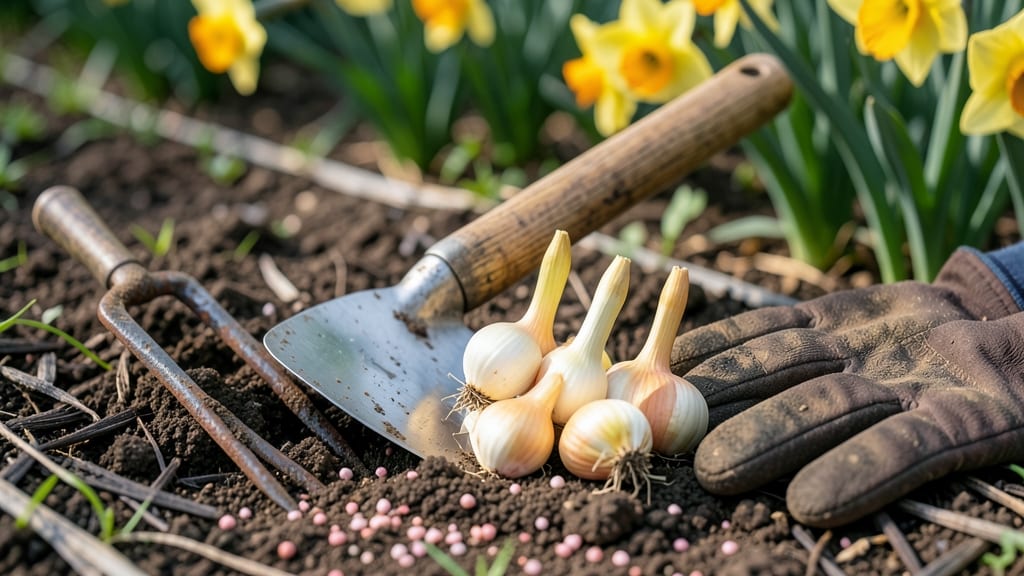
Planting daffodil bulbs in Oregon between September and November ensures they’ll thrive in your 7b-9a climate and burst into spring color.
Oregon’s mild winters and rainy springs create the perfect conditions for daffodils—but planting them at the wrong time can mean blooms that never arrive. Timing is everything, and getting it right ensures vibrant spring displays for years to come.
In this guide, I’ll walk you through the exact fall window that works for Portland, Eugene, and Medford, plus soil prep tips to avoid common mistakes like frost heave or rot.
You’ll learn how to adjust planting for early or late bloomers, the ideal depth and spacing, and when to fertilize—so your 🌼 daffodils put on their best show every April.
Best planting months for daffodils in Oregon zones 7-9
Oregon's mild fall temperatures and consistent rainfall make it ideal for daffodil planting, but timing varies by region.
In Portland (Zone 8), Eugene (Zone 8), and Medford (Zone 8-9), the best window is October through December, when soil temps drop below 60°F but before hard freezes arrive.
Daffodil bulbs need 6-8 weeks of chilling to develop strong roots. Planting too early (before September 15) risks frost heave, while waiting too long (after December 15) may leave bulbs vulnerable to winter moisture and rot.
In Medford's warmer microclimate, you can extend planting to early January—just ensure soil temps stay above 40°F. Meanwhile, Portland's wetter climate demands well-draining soil to prevent bulb rot during Oregon's consistent winter rains.
🌼
| Region | Ideal Planting Window | Soil Temp | Rainfall Considerations | Bulb Depth |
|---|---|---|---|---|
| Portland (Zone 8) | October 15–November 15 | 50–60°F | Well-draining soil required; mulch after planting | 6 inches deep |
| Eugene (Zone 8) | October 1–November 30 | 45–55°F | Avoid low-lying areas; raised beds ideal | 5–6 inches deep |
| Medford (Zone 8-9) | November 1–January 10 | 40–50°F | Drought-tolerant varieties recommended | 4–5 inches deep |
For Portland gardeners, aim to plant by November 15—this gives bulbs time to root before winter rains saturate the soil. Use a trowel to loosen soil to 8 inches deep and mix in compost to improve drainage.
In Eugene's cooler valleys, focus on October planting to avoid early frost risks. Test soil pH (ideal: 6.0–7.0) and add sand if drainage is poor. A 2-inch mulch layer of straw helps insulate bulbs during freeze-thaw cycles.
Medford’s drier climate allows later planting, but prioritize November to ensure bulbs establish before summer drought begins. Choose drought-resistant varieties like 'Tête-à-Tête' or 'Ice Follies' for reliable blooms.
Always plant bulbs with pointy ends up and space them 4–6 inches apart. Water deeply after planting to settle soil, then reduce watering until spring rains return. Overwatering in winter can smother bulbs and cause rot.
🌱
How to adjust planting time for early vs. late bloomers
Want to force early daffodil blooms or extend their late-season color in Oregon? Adjusting your planting time lets you control bloom cycles perfectly. Early bloomers planted in September can brighten your garden weeks ahead of schedule, while late-season varieties planted in January add color when other flowers fade.
The key lies in understanding chilling requirements and selecting the right bulbs for your goals.
Oregon’s USDA Zones 7-9 offer flexibility, but timing matters. Early planting (September) tricks bulbs into thinking winter has arrived, while late planting (January) extends their dormancy. Both methods require patience—early bloomers need 12-16 weeks of chilling, while late bloomers benefit from shorter chilling periods to delay flowering.
Let’s break down the strategies for each approach.
- 📅 Plant early (September) for forced blooms—ideal for Christmas daffodils like 'Paperwhite' or 'Tête-à-Tête'.
- ❄️ Use a chilling tray (40-50°F) for 8-12 weeks before planting to mimic winter conditions.
- 🌱 Choose early-blooming varieties like 'Ice Follies' or 'Carlton' for February-March flowers.
- ⏳ Plant late (January) for delayed blooms—perfect for late-season color in May-June.
- 🌡️ Skip chilling for late plantings—let bulbs naturally acclimate to Oregon’s mild winters.
- 🌿 Select late-blooming types like 'Thalia' or 'Salome' for extended displays.
For early blooms, start by planting bulbs in late September—just as Oregon’s soil temperatures drop below 60°F.
This mimics winter conditions, tricking bulbs into thinking it’s time to bloom. Christmas daffodils are your best bet here; they thrive with shorter chilling periods (8-10 weeks) and can flower as early as December if planted correctly.
Use a chilling tray or bury bulbs in a cool, dark basement for 8-12 weeks before planting outdoors.
If you’re aiming for late-season color, plant bulbs in January after Oregon’s winter rains soften the soil. This delays blooming until May or June, when many other flowers have already faded. Late-blooming varieties like 'Thalia' or 'Salome' are perfect for this strategy—they naturally resist early flowering.
Skip the chilling step entirely; let the bulbs acclimate gradually to Oregon’s mild winter temperatures.
Pro tip: Adjust bulb depth based on your timing. Early plantings need 6 inches deep to protect them from fall frosts, while late plantings can go 4-5 inches deep since they’re planted after the worst cold has passed.
Always plant in well-draining soil—Oregon’s clay-heavy soils can cause rot if bulbs sit in soggy conditions. Add compost or sand to improve drainage if needed.
Remember, light exposure plays a role too. Daffodils need full sun (6+ hours daily), but early bloomers planted in September may need extra shade if your garden gets hot afternoon sun.
Use mulch to regulate soil temperature and retain moisture—straw or shredded leaves work well in Oregon’s cool, wet climate. With the right timing and care, you can enjoy daffodils blooming from December to June!