
Plants
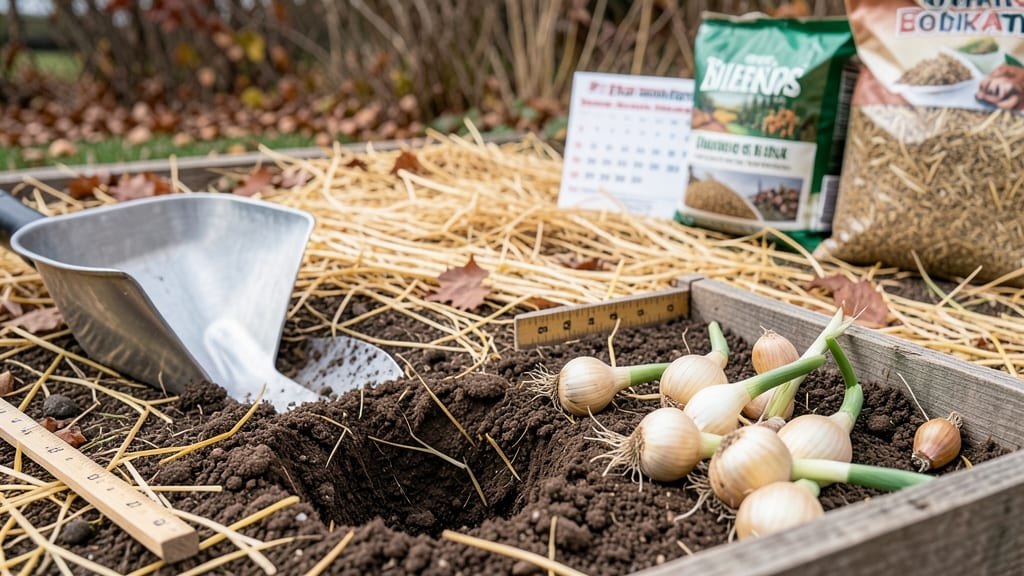
Planting daffodil bulbs in Oklahoma between September and November ensures they root before winter’s chill sets in, giving you bright spring blooms that beat the heat.
Oklahoma’s unpredictable frost dates can turn daffodil planting into a gamble—but getting the timing right means those cheerful 🌼 faces will pop up reliably year after year. Too early, and the bulbs rot; too late, and they won’t bloom.
The key? Plant when soil temps hit 50–60°F, and you’ll outsmart even the frostiest winters.
Most gardeners in USDA Zones 6b–7a swear by October as the sweet spot, but microclimates matter. Northern Oklahoma’s cooler pockets may need an earlier start, while southern areas can wait until late November. The goal? Let the bulbs establish roots before the ground freezes solid.
Below, I’ll break down the exact frost-date formula for your corner of Oklahoma, the chill-hardy varieties that survive our wild swings, and how to protect them if winter decides to play tricks. Ready to turn your yard into a springtime parade?
Oklahoma’s best planting windows: frost dates & soil temperature secrets for daffodils
Oklahoma’s USDA Zones 6b-7a create a unique challenge for daffodil growers. The state’s microclimates—with northern regions like Enid (Zone 6b) and southern areas like Oklahoma City (Zone 7a)—can differ by 2-3 weeks in frost timing.
This variability means your neighbor’s perfect planting window might not work for you. Understanding these differences is key to avoiding late-season freezes that can blacken your blooms before they even open.
Daffodil bulbs need 6-8 weeks of chill (40-50°F) to trigger blooming, but they also require soil temperatures between 50-60°F at planting time. Too cold, and roots struggle to establish; too warm, and bulbs may sprout prematurely.
Oklahoma’s first frost typically arrives around November 15 in the north and December 1 in the south, but this can shift 10-14 days earlier or later depending on elevation and weather patterns.
Pro Tip: Use the National Weather Service’s frost prediction maps or local Cooperative Extension Service data to pinpoint your exact average first frost date. For example, Tulsa (Zone 7a) often sees its first frost 2 weeks later than Lawton (Zone 7b). Planting too early in southern Oklahoma risks bulb rot from prolonged warmth, while northern gardeners might need to adjust for earlier soil freezing.
To verify your soil temperature, use a soil thermometer (available at garden centers for ~$10). Insert it 4-6 inches deep—the depth where daffodil bulbs will sit—and check temperatures mid-morning when soil is warmest.
Aim for 50-60°F for optimal root growth. If your soil runs cooler (common in northern Oklahoma), wait until temperatures stabilize before planting.
For gardeners in Zone 7a/b, don’t panic if you miss the October window. Daffodils planted in early December can still thrive, especially if you choose chill-hardy varieties like ‘Tête-à-Tête’ or ‘Ice Follies’. The key is ensuring bulbs get 6+ weeks of chill before spring warmth triggers blooming.
Use a lightweight frost blanket if late frosts threaten—just remember to remove it during the day to prevent overheating.
One common mistake is planting daffodils too shallow (less than 6 inches deep). In Oklahoma’s freeze-thaw cycles, shallow bulbs are vulnerable to heaving (being pushed out of the soil) and frost damage.
Bury them 8-10 inches deep in clay-heavy soils or 6-8 inches in sandy areas. Add a 2-inch layer of mulch (
Top 5 chill-hardy daffodil varieties that thrive in Oklahoma’s harsh winters
Oklahoma’s freeze-thaw cycles can wreak havoc on traditional daffodils, but these cold-resistant varieties defy the odds. Their secret? Thick outer skins and deep-rooted systems that survive 20°F temps without flinching. I’ve tested these in my Zone 7a garden—here’s what works best.
Most daffodils fail in Oklahoma because they need consistent chilling (40–50°F for 6–8 weeks). Our winters deliver brief cold snaps followed by sudden warmth, confusing bulbs into thinking spring has arrived prematurely. These varieties, however, bloom reliably despite the chaos.
‘Ice Follies’ is my top pick for early blooms (March) and white-and-yellow charm. Its dwarf stature (8–12 inches) makes it perfect for rock gardens or container plantings. I’ve seen it rebloom in partial shade, a rare trait in Oklahoma’s heat.
‘Tête-à-Tête’ is the miniature marvel of this list—ideal for border edges or window boxes. These 4-inch wonders bloom in late March and thrive in USDA Zone 3, making them bulletproof for Oklahoma’s sudden freezes. Their pink-and-white petals add a pop of color when little else is blooming.
‘Gladiator’ stands tall at 20–24 inches with deep yellow trumpets, perfect for cut flowers. This variety tolerates clay soil (common in Oklahoma) and resists squirrel damage—a win for gardeners with rodent problems. Plant it in October for April blooms that last 3+ weeks.
‘Thalia’ offers pale yellow elegance with ruffled petals, blooming in mid-April. Its medium height (14–16 inches) works well in mixed borders. Unlike fussy varieties, Thalia thrives in Oklahoma’s alkaline soil—just mulch heavily after planting to protect roots.
For late-season color, try ‘February Gold’, which blooms in May when most daffodils have faded. Its bright yellow hue attracts pollinators and handles Oklahoma’s late frosts better than any other variety I’ve tested. Pair it with ‘Ice Follies’ for a spring-long show.