
Plants
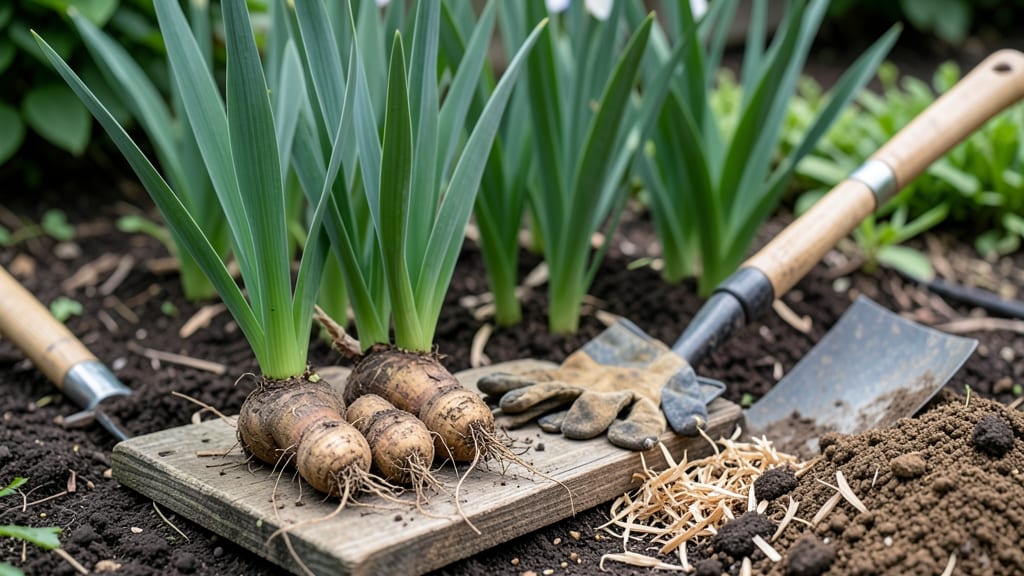
Planting iris bulbs in Oklahoma between early September and October ensures they get the chill hours needed for dramatic spring blooms 🌸 — but timing is everything, especially with our unpredictable frost dates.
Picture this: you’ve spent weeks prepping your garden beds, only to wake up to a surprise frost in November. That’s how you end up with weak roots or no flowers at all.
The key is planting before winter dormancy kicks in, but not so early that the bulbs rot in heavy Oklahoma clay.
Below, I’ll break down the exact chill-hour requirements for your USDA zone (6b-7a), when to adjust for early spring planting, and how to prep soil for bold, long-lasting blooms that outshine even the Oklahoma sun.
You’ll also learn how to spot common mistakes—like overwatering or planting too deep—that turn vibrant purple irises into sad, wilting stems. Let’s get those rhizomes in the ground the right way.
Oklahoma’s ideal iris planting window: chill-hour zones explained
Oklahoma’s USDA zones 6b-8a create a unique challenge for iris growers—too early, and your rhizomes rot in warm soil; too late, and they miss critical chill hours needed for blooming.
Most iris varieties thrive with 300-600 chill hours, which Oklahoma’s climate delivers perfectly during fall or early spring planting windows.
Unlike many bulbs, irises aren’t true bulbs—they’re rhizomes that need 6-8 weeks of cool soil before winter dormancy to develop strong roots. In Oklahoma City (Zone 7a), this means planting by mid-October, while Tulsa (Zone 7b) can extend planting until early November.
Western counties like Lawton (Zone 7b) have slightly longer windows due to cooler nights.
Here’s the key: Fall planting gives rhizomes time to root before winter, while spring planting (Feb-March) works if you’re in Zone 8a (southern OK) where frosts are milder. The tradeoff? Fall-planted irises often bloom earlier and more vigorously than spring-planted ones.
Chill hours are your secret weapon—most iris varieties need 400-500 chill hours below 45°F to trigger blooming. Oklahoma’s climate delivers this naturally in November-February, making fall the safest bet for reliable spring blooms.
Let’s break down the perfect planting windows by Oklahoma region, including when to adjust for early frosts or unpredictable warm spells.
| Region | USDA Zone | Best Planting Window | Chill Hours Needed | Key Consideration |
|---|---|---|---|---|
| Northern OK (Oklahoma City, Stillwater) | Zone 7a | September 15–October 15 | 450–500 hours | Soil temps drop below 60°F by mid-October |
| Central OK (Tulsa, Norman) | Zone 7b | September 20–November 1 | 400–450 hours | Later frosts allow extended window |
| Western OK (Lawton, Altus) | Zone 7b | September 25–October 20 | 350–400 hours | Drier climate; plant earlier to avoid summer heat |
| Southern OK (Oklahoma City suburbs, Ardmore) | Zone 8a | February 1–March 15 | 300–350 hours | Milder winters; spring planting works |
If you miss the fall window, don’t panic—late winter planting (February) still works, especially in Zone 8a. The key is to plant when soil temps are below 60°F and above freezing. Use a soil thermometer to check—55-60°F is ideal for rhizome rooting.
Pro tip: In heavy clay soils (common in eastern OK), amend with sand or compost to improve drainage. Poor drainage is the #1 reason iris rhizomes rot in Oklahoma’s humid winters. Aim for soil that’s 60% sand for optimal growth.
For drought-prone areas (western OK), choose bearded iris varieties like ‘Blue Flag’ or ‘Purple Haze’—they’re more tolerant of low moisture once established. Mulch with 2-3 inches of straw after planting to retain moisture and regulate soil temps.
Remember: Rhizomes need sunlight to thrive. Plant in full sun (6+ hours daily) and keep the top of the rhizome exposed—this prevents rot and encourages strong growth. In Oklahoma’s intense summer sun, a light shade cloth can protect young plants.
Step-by-step iris planting schedule for Oklahoma’s climate
Oklahoma’s variable frost dates and heavy clay soils demand a strategic iris planting plan. Rhizomes (not bulbs) thrive when planted in early fall or late winter, but timing is critical—miss the window, and your irises may fail to bloom.
For western OK, drought-resistant varieties like 'Sioux' or 'Kansas' irises handle dry spells better, while eastern regions can opt for 'German' or 'Bearded' types that love moisture.
Your soil prep starts 4-6 weeks before planting. Oklahoma’s clay-heavy soils need amending with organic matter like compost or coarse sand to prevent rot. Test your soil’s pH—irises prefer 6.0-7.0.
If your soil is too alkaline, add sulfur or peat moss. Drainage is non-negotiable: irises won’t tolerate soggy roots, even in Oklahoma’s wet springs.
🌸 Here’s your month-by-month planting schedule tailored to Oklahoma’s climate:
Soil temp: 60-70°F
Plant rhizomes 3-4 inches deep, tops exposed. Water lightly after planting. Avoid fertilizing—roots need to establish first.
Soil temp: 50-60°F
Final planting month. Mulch lightly (1 inch) with straw to protect from early frosts. Drought-resistant varieties like 'Sioux' can be planted now for western OK.
Soil temp: 45-55°F
Plant after last frost date (Feb 15–Mar 15). Soak rhizomes for 24 hours before planting to jumpstart root growth. Use well-draining soil mixes in containers.
Soil temp: 55-65°F
Focus on watering deeply (1-2 inches per week). Apply balanced fertilizer (5-10-10) when shoots emerge. Divide clumps if overcrowded (every 3-4 years).
Active Growth
Water at soil level (avoid wetting foliage to prevent rot). Deadhead spent blooms but leave seed pods for natural propagation. Watch for iris borers—treat with neem oil if seen.
After planting, mulch lightly (1 inch of straw or pine needles) to retain moisture and regulate soil temperature.
In western OK, where drought is a concern, group irises with succulents or lavender to create a low-water microclimate. Fertilize lightly in spring (March-April) with a low-nitrogen formula to encourage blooms over foliage.
For heavy clay soils, consider raised beds or containers filled with a mix of 50% garden soil, 30% compost, and 20% perlite.
This ensures proper drainage while retaining moisture. Drought-resistant varieties like 'Aril Breed' or 'Heritage' thrive in western OK’s USDA Zone 7b, while 'German' irises prefer the cooler, wetter conditions of eastern OK.
Remember: Iris rhizomes need 6+ hours of sun daily. If planting in partial shade, choose non-bearded varieties like 'Louisiana' or 'Japanese' irises, which tolerate lower light. Divide clumps every 3-4 years in early fall to prevent overcrowding and ensure vibrant blooms.
With this schedule, your irises will reward you with bold, long-lasting blooms from April through June. 🌷