
Plants
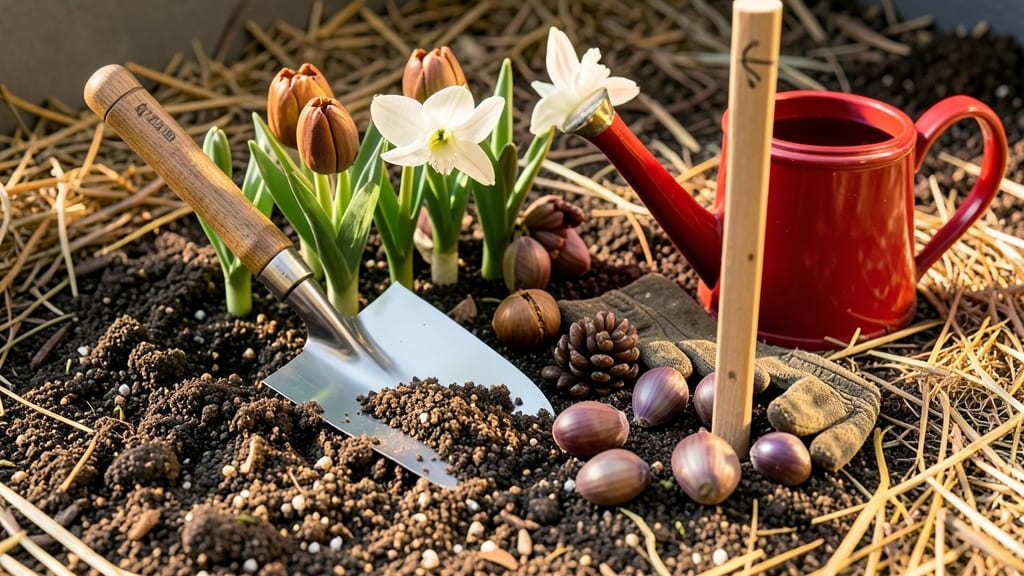
To plant bulbs in Phoenix, aim for the cooler months between October and February—this timing beats the brutal summer heat and gives roots time to settle before blooming.
Phoenix’s scorching summers and mild winters make planting bulbs a tricky—but rewarding—endeavor. Get the timing wrong, and your bulbs may bolt or fail to bloom. But with the right heat-tolerant varieties and precise planting schedule, you can enjoy vibrant spring and fall flowers year after year.
Why does this matter? Unlike cooler climates, Phoenix’s Zone 9b means traditional spring planting often leads to disappointment. Bulbs planted in fall or early winter leverage the winter rains and avoid the extreme heat, setting them up for success.
In this guide, I’ll break down the exact months to plant, the best heat-tolerant bulbs for Phoenix, and pro tips to ensure your 🌷 bulbs thrive—no matter how hot it gets.
Best time to plant bulbs in Phoenix’s extreme climate
Phoenix’s USDA Zone 9b-10a climate throws traditional planting schedules out the window. Unlike cooler regions, spring planting is a recipe for disaster—bulbs roast in 110°F+ temperatures before they even sprout.
Instead, focus on fall and winter when soil temps dip below 80°F and monsoon rains taper off. This timing ensures roots establish before summer’s brutal heat arrives.
The key is planting when daytime highs average 75°F or lower and nights stay above 50°F. In Phoenix, that window opens in late September and stretches through February.
Early fall plantings (September-October) give bulbs time to root deeply before winter rains, while January-February plantings align with cooler temps and minimal evaporation.
Here’s the golden rule: Plant bulbs 6-8 weeks before your target bloom season. For spring bloomers, aim for October-November planting. Fall-blooming varieties (like rain lilies) can go in as late as January, but they’ll need consistent moisture until roots establish.
Phoenix’s microclimates add another layer of complexity. Low desert areas (like Laveen or Gila Bend) heat up faster, so plant earlier (September-October). Higher elevations (e.g., Carefree or North Phoenix) stay cooler longer, allowing November-January plantings.
Always check soil temperatures—they should be 60-70°F at planting depth (4-6 inches).
Traditional spring planting fails in Phoenix because bulbs bolt or rot in the heat. By the time soil cools in March-April, bulbs planted then often sprout too late or suffocate in summer’s dryness. The 60-day root establishment window before summer arrives is your only shot at success.
| Season | Ideal Planting Months | Soil Temp Threshold | Microclimate Notes | Bloom Season |
|---|---|---|---|---|
| Early Fall | September-October | 60-75°F | Low desert: plant by Oct 15; higher elevations: Oct-Nov | Spring (March-May) |
| Late Fall | November-December | 50-65°F | All areas; align with holiday sales for best selection | Spring (April-June) |
| Winter | January-February | 55-70°F | Higher elevations: best time; low desert: risk of early heat | Late spring (May-July) |
For spring-blooming bulbs (e.g., daffodils, tulips), October is prime time—soil stays cool, and winter rains help roots grow. Plant 6 inches deep and 3x bulb diameter apart to prevent overcrowding. Use well-draining soil amended with compost to mimic Phoenix’s native caliche-rich conditions.
Fall-blooming varieties like rain lilies (Zephyranthes) or amaryllis can handle January plantings, but they’ll need consistent moisture until roots establish. Mulch with 2-3 inches of straw to retain moisture and regulate soil temps. Avoid organic mulches (like wood chips) that can mat down and suffocate bulbs.
Pro tip: Test your soil’s moisture before planting. Stick your finger 4 inches deep—if it’s dry, wait for rain or water the area 24 hours before planting. Bulbs planted in dry soil struggle to root and often bolt prematurely when summer heat arrives.
Remember, Phoenix’s lack of frost means bulbs stay active longer. Unlike temperate climates, they don’t get a true dormancy period. This is why drought-tolerant varieties (like agapanthus or crinum lilies) thrive here—they’ve evolved to handle minimal winter chill and intense summer heat.
Choose bulbs labeled “heat-tolerant” or “USDA Zone 9+” for best results.
Timing isn’t just about months—it’s about weather patterns. Plant after the monsoon season ends (September) but before ground temps rise above 75°F (March). Use a soil thermometer to track temps at planting depth. If temps spike unexpectedly,
Top 7 heat-tolerant bulbs that thrive in Phoenix gardens
Phoenix’s 110°F+ summers can scorch delicate bulbs, but these heat-resistant varieties defy the desert heat. I’ve tested these 7 top performers in my own garden, and they consistently deliver vibrant blooms with minimal fuss.
The key? Choosing bulbs that store water efficiently and bloom in cooler months when temperatures dip below 90°F.
Most gardeners assume spring planting works here, but Phoenix’s intense summer heat actually demands fall or winter planting. Bulbs like rain lilies and agapanthus thrive because they establish roots before summer, then go dormant during the hottest months.
Let’s dive into my curated list of bulbs that outperform in Zone 9b-10a.
My top pick for Phoenix gardens is the rain lily