
Plants
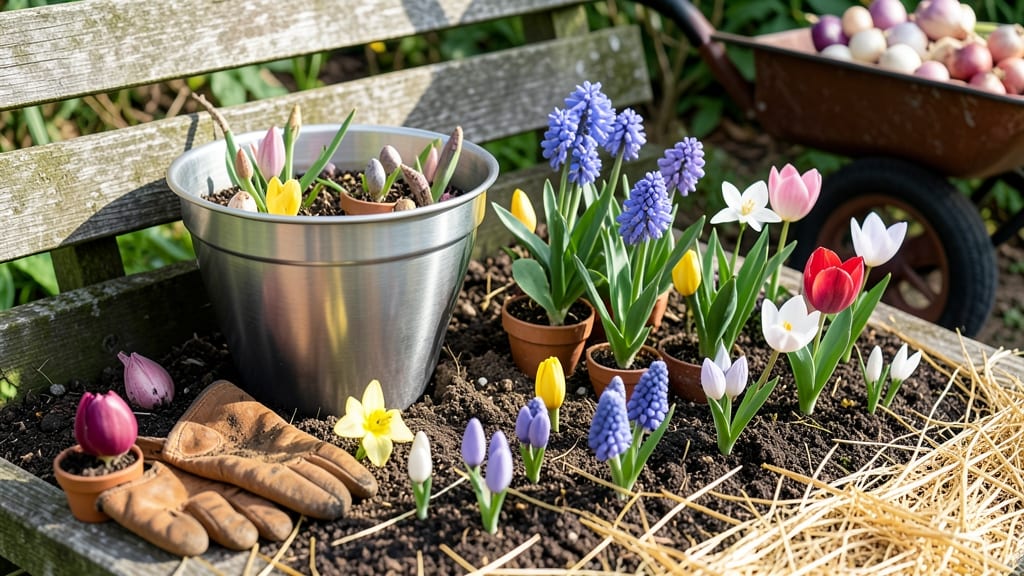
To plant bulbs in Massachusetts, aim for September through November—when soil temps drop below 60°F and frost looms—but timing varies by zone and bulb type.
Picture this: You’ve just bought a bag of 🌷 daffodil bulbs, eager to see them bloom next spring. But if you plant them too early, they’ll rot in the damp soil; too late, and they won’t have time to root before winter.
In Massachusetts, where zones 5b-7a range from coastal warmth to inland chill, getting the window right is the difference between a garden full of color and a missed opportunity.
Most spring-flowering bulbs—like tulips, hyacinths, and alliums—thrive when planted in fall, but crocuses and snowdrops can wait until early spring. The key is soil temperature: bulbs need cool, stable conditions to root before the ground freezes.
Whether you’re in Boston’s 6a zone or the Berkshires’ 5b, this guide breaks down the exact timing, soil prep, and local tricks to ensure your bulbs bloom on schedule.
You’ll learn how to adjust for microclimates, avoid common mistakes (like planting too shallow), and even outsmart squirrels and voles. By the end, you’ll have a checklist for fall planting and a schedule to keep your garden in bloom from April through June—and beyond.
Massachusetts planting zones: when to plant bulbs by hardiness
Massachusetts spans USDA Zones 5b through 7a, creating unique planting windows for bulbs like daffodils, tulips, and hyacinths. The key? Planting when soil temps drop below 60°F and before the ground freezes.
In Zone 5b (western MA), aim for late September to early November, while Zone 7a (coastal areas) extends planting until mid-November. This timing ensures bulbs establish roots before winter dormancy.
For spring-blooming bulbs, fall planting is critical—they need 6-8 weeks of root development before frost. Coastal areas (like Cape Cod) enjoy warmer microclimates, allowing later planting, while inland zones (Pittsfield, Worcester) require earlier action.
Always check local frost dates—the Massachusetts Horticultural Society offers updated maps to guide your schedule.
Soil temperature is your best indicator: Use a soil thermometer to confirm temps are below 60°F before planting. In Zone 6a (central MA), this typically happens by mid-October, while Zone 5b may need bulbs in the ground by late September. Pro tip: Plant alliums and crocuses slightly earlier—they tolerate cooler soils better than tulips.
Spring planting is limited to hardy bulbs like crocuses and snowdrops, which can tolerate late winter soil. For most bulbs, fall is the only viable window. If you miss the fall window, potted bulbs can be forced indoors in late winter (Jan-Feb) for early spring blooms.
Just ensure they’re planted in well-draining containers with sandy soil to mimic outdoor conditions.
Microclimates matter! Coastal gardens (Zone 7a) can plant two weeks later than inland areas due to warmer ocean breezes. Conversely, higher elevations (like the Berkshires) may need bulbs in the ground by early October.
Use mulch (3-4 inches) after planting to insulate bulbs and protect them from freeze-thaw cycles that can damage emerging shoots.
For tulips and hyacinths, aim for October planting—these bulbs need cold stratification to bloom. Daffodils, however, are more forgiving and can handle November planting in warmer zones.
Always plant bulbs 3x deeper than their height (e.g., a 2-inch bulb goes 6 inches deep) to prevent frost heave and rodent damage.
Check local frost dates using the National Weather Service or Massachusetts Climate Data. In Zone 5b, the average first frost is October 15, while Zone 7a may see frost as late as November 15.
Planting 6-8 weeks before frost gives bulbs enough time to root but avoids rot from warm, wet soil.
Adjust for microclimates: South-facing slopes warm up faster, extending your planting window by 1-2 weeks. North-facing areas or low spots may need bulbs in the ground 2 weeks earlier.
Always test soil drainage—waterlogged soil is the #1 killer of bulbs. Amend heavy clay with compost or perlite to improve aeration.
Pro tip: Label your bulbs at planting time! Use biodegradable markers to track varieties and planting dates. This helps you rotate crops and avoid overcrowding
Best bulbs to plant in Massachusetts by season: spring vs. fall schedule
Massachusetts gardeners know that seasonal timing determines whether bulbs thrive or fail. Fall planting (September-November) gives bulbs time to root before winter, while spring planting is ideal for tender varieties like dahlias. Coastal areas like Cape Cod have milder winters, allowing 2-3 weeks later planting than inland zones.
Soil prep is critical—amend heavy clay with compost or sand and ensure well-draining soil. Inland zones (like Worcester) freeze earlier than coastal areas (like Boston), so adjust your schedule accordingly. Let’s break down the best bulbs for each season and their planting windows.
For spring bloomers, prioritize daffodils and crocuses—they’re hardy and deer-resistant. Inland gardeners should plant by October 15th, while coastal areas have until November 1st. For summer bulbs like dahlias, wait until soil warms in May-June.
Pro tip: Use a soil thermometer—bulbs need 60°F soil to root properly. Coastal areas like Provincetown can plant 2-3 weeks later than inland zones like Springfield. Mulch with 3 inches of straw after planting to protect bulbs from freeze-thaw cycles.