
Plants
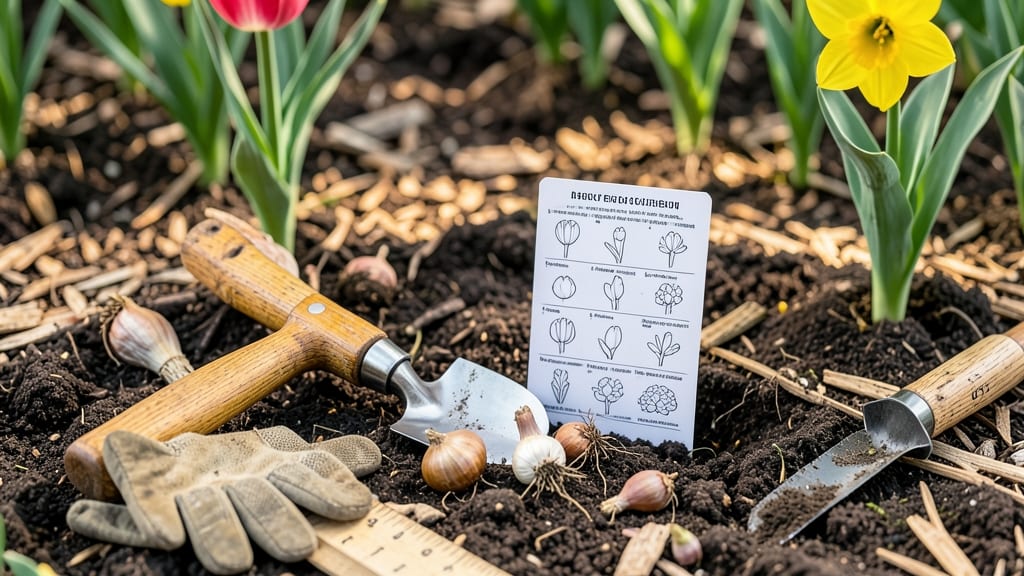
To plant bulbs in Portland, Oregon, aim for October–November for fall or February–March for spring, aligning with the city’s USDA Zone 8a frost window.
Portland’s unpredictable weather can turn bulb planting into a guessing game—but timing your spring and fall crops just right ensures vibrant blooms year after year. The West Side’s mild winters and the East Side’s cooler microclimates mean your neighbors might have different success stories, even just blocks apart.
Most gardeners focus on frost dates, but Portland’s wet springs and clay-heavy soils also play a role. Planting too early in fall risks soggy soil, while waiting too late in spring can leave bulbs vulnerable to late frosts.
Here’s how to nail the timing for daffodils, tulips, and native favorites—plus when to adjust for your specific neighborhood.
You’ll learn the exact 6–8 week rule before frost, soil prep tricks for Portland’s conditions, and which bulbs thrive best in your microclimate. Let’s get those 🌱 blooms off to the right start.
Portland’s bulb planting timeline by microclimate: fall vs spring planting guide
Portland’s three distinct microclimates create unique challenges for bulb planting. The West Side enjoys milder winters, while the East Side gets cooler temperatures and the Metro area experiences urban heat islands.
These differences mean your fall planting window could vary by 2-3 weeks depending on location. Understanding these zones helps you time your daffodils, tulips, and hyacinths perfectly for spring blooms.
For fall-planted bulbs like daffodils and tulips, the goal is to plant 6-8 weeks before frost. In Portland, this typically means mid-October to early November, but your exact timing depends on your microclimate.
The East Side may need to plant earlier (late September), while the West Side can wait until early November. Meanwhile, spring-planted bulbs like crocus and allium thrive when planted in February or early March, right as the soil warms.
Soil temperature is your best guide—aim for 50-60°F for fall planting and 45-55°F for spring. Use a soil thermometer to check, especially in the Metro area, where pavement can delay cooling in fall or warm up faster in spring. This precision ensures your bulbs establish roots before winter or heat stress sets in.
Here’s how Portland’s three microclimates break down for fall and spring bulb planting, including key dates and adjustments:
| Microclimate | Fall Planting Window | Spring Planting Window | Soil Temp Threshold | Key Adjustments |
|---|---|---|---|---|
| West Side (Mildest) | Early November | Late February | 55-60°F | Wait longer; milder winters delay frost |
| East Side (Cooler) | Late September | Early February | 50-55°F | Plant earlier; cooler soils freeze faster |
| Metro (Urban Heat) | Mid-October | Mid-February | 52-58°F | Adjust for heat islands; use mulch |
For fall planting, focus on bulbs like daffodils and tulips, which need time to root before winter. In the East Side, start as early as late September to avoid early frosts, while the West Side can wait until early November.
Plant bulbs 6-8 inches deep, with the pointy end up, and space them 3-6 inches apart depending on the variety. In the Metro area, add a 2-inch layer of mulch to protect bulbs from temperature swings caused by urban heat.
Spring-planted bulbs like crocus and allium thrive when the soil warms to 45-55°F. On the East Side, this usually means early February, while the West Side can wait until late February.
These bulbs are hardier and can handle slight frost, but avoid planting when the ground is still soggy. Use a garden fork to loosen heavy clay soil, which is common in Portland, to improve drainage and root establishment.
One critical mistake gardeners make is planting too late in fall or too early in spring. Late fall planting (after November 15) risks bulbs rotting before winter, while early spring planting (before February 1) can expose them to late frosts.
Always check the Portland forecast for first frost dates, which typically range from November 15 to December 1 depending on the year. Adjust your timeline by 1-2 weeks if you’re in a cooler pocket.
To maximize success, pair your planting with soil amendments. Portland’s clay-heavy soil benefits from compost or aged manure mixed into the planting hole. This improves drainage and provides nutrients for next year’s blooms.
For urban gardens, consider raised beds if your soil is compacted, as they warm up faster in spring and drain better in winter. Water bulbs deeply after planting to encourage root growth, but avoid overwatering, which can lead to rot.
Finally, keep an eye on pests like slugs and voles, which are common in Portland gardens. After planting, apply organic slug bait or use copper barriers to protect tender shoots.
For voles, create a wire mesh barrier around newly planted bulbs. With these adjustments, your bulbs will thrive regardless of Portland’s microclimate quirks, delivering vibrant spring blooms year after year.
How Portland’s unique weather affects bulb success: what to watch for
Portland’s wet springs and mild winters create perfect conditions for bulbs—but they also bring challenges like excessive soil moisture and slug pressure. The city’s clay-heavy soils can suffocate roots if not amended properly, while urban heat islands in downtown areas accelerate bulb dormancy.
Understanding these factors helps you adapt planting depth, mulching, and drainage for reliable blooms.
One of the biggest risks is overwatering during Portland’s rainy season (November–March). Bulbs planted too shallow or in poorly draining soil can rot before they even sprout. Meanwhile, late frosts (common into April) can damage emerging shoots if you plant too early.
Even microclimates within the city—like the cooler East Side versus the warmer West Side—demand different timing and care.
⚠️ callout warning
To combat Portland’s slug and snail outbreaks (especially in damp winters), use organic barriers like crushed eggshells or diatomaceous earth around newly planted bulbs. For mulching, opt for straw or shredded leaves (3–4 inches thick) to insulate bulbs from temperature swings.
Avoid heavy mulch that can compact soil and trap moisture, which is deadly for bulbs.
Adjust planting depth based on your soil type: in heavy clay, plant bulbs 1–2 inches deeper than recommended (e.g., 8–10 inches for tulips) to protect them from freeze-thaw cycles.
In sandy or well-draining soils, stick to the standard depth (usually 2–3 times the bulb’s height) to ensure roots anchor properly.
Fertilize bulbs only once, using a low-nitrogen bulb fertilizer (like 5-10-10) at planting time. Over-fertilizing encourages leafy growth at the expense of blooms, and Portland’s acidic soils (pH 5.5–6.5) can lock out nutrients.
If your soil tests below pH 6.0, add lime or wood ash to sweeten it before planting.
Monitor soil moisture closely after planting. While Portland’s winter rains provide hydration, bulbs need consistent moisture but no standing water. Use a soil moisture meter or the "squeeze test" (grab a handful of soil—if it forms a tight ball, it’s too wet) to guide watering.
In drought-prone microclimates (like the East Side), mulch heavily to retain moisture during dry spells.