
Plants
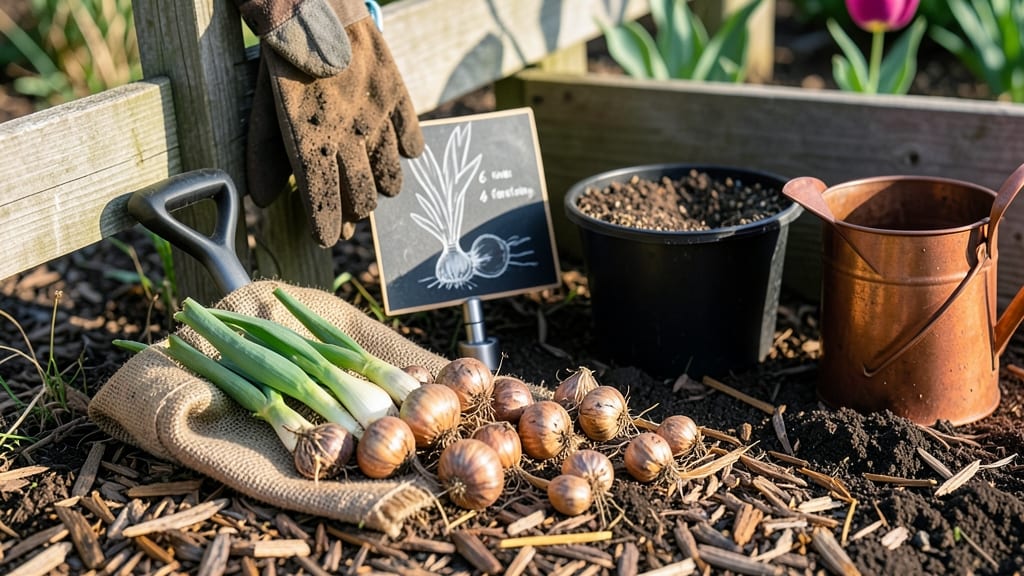
Planting tulip bulbs in Portland, Oregon, between mid-October and early November ensures they get the 6–8 weeks of chill they need before winter sets in.
Portland’s unpredictable weather can turn tulip planting into a guessing game—but timing these bulbs correctly guarantees stunning spring blooms every year. The key? Understanding Portland’s unique chill requirements and soil conditions.
Too early, and the bulbs might sprout before the ground freezes, only to die back in a late frost. Too late, and they won’t get enough cold to trigger flowering. The sweet spot? When soil temperatures drop to 40–50°F, usually around late October.
Below, I’ll walk you through the exact window, how to prep your soil, and why planting depth matters—so you can skip the trial-and-error and enjoy reliable blooms next spring.
Portland’s ideal tulip planting window: chill hours and soil temperature guide
Portland’s unpredictable fall weather makes timing your tulip bulbs tricky, but these flowers need precise conditions to bloom reliably. The magic happens when bulbs experience 3,500–4,000 chill hours below 45°F—a threshold Portland typically hits between mid-October and early November.
This 6–8 week window before the ground freezes is your target, but local microclimates can shift it by weeks.
Soil temperature is just as critical as air temperature. Tulip bulbs need soil temps between 40–50°F to root properly. In Portland’s USDA Zone 8b, this usually aligns with mid-October when daytime highs dip into the 60s°F and nights drop below 50°F.
Planting too early (like September) risks rot from wet soil, while waiting too long (after November) may leave bulbs vulnerable to freeze damage before roots establish.
Here’s where Portland’s microclimates come into play. The West Hills (like Beaverton or Hillsboro) often cool faster due to higher elevation, creating a 2–3 week earlier planting window than the Eastside (like Vancouver or Woodinville).
For example, bulbs in the hills might go in by late September, while Eastside gardeners should wait until early October.
🌱
To pinpoint your exact window, monitor soil temperatures with a soil thermometer (available at garden centers like Portland Nursery). Stick it 6 inches deep—the depth you’ll plant bulbs—and check readings in the late afternoon. When temps consistently stay between 40–50°F for 3–5 days, it’s time to plant.
Pro tip: Use Portland’s frost-free date as a backup. With an average first frost on November 15, aim to plant bulbs 4–6 weeks prior. For the West Hills, that’s mid-October; for the Eastside, early November works better.
If you’re unsure, err on the earlier side—bulbs can wait in cool soil but won’t survive freeze-thaw cycles once planted.
Another Portland-specific factor is rainfall. Our wet winters can turn planting beds into mud. Prepare by amending soil with compost or sand to improve drainage, and plant bulbs in raised beds if your yard stays soggy.
This also helps prevent bulb rot, a common issue in Portland’s high-rainfall zones like Southeast Portland.
For container gardening, adjust your timeline slightly. Pots cool faster than in-ground soil, so plant 1–2 weeks earlier than your microclimate’s ideal window. Just ensure containers have drainage holes and use a lightweight potting mix to avoid waterlogging.
Containers also let you move bulbs to sheltered spots if early frosts threaten.
🌿
Remember, tulip varieties can influence timing slightly. Early bloomers (like ‘Early Harvest’ or ‘White Dream’) need fewer chill hours and can go in as early as September, while late bloomers (like ‘Darwin Hybrid’ or ‘Fosteriana’) may need to wait until late October.
Check the chill hour requirements on your bulb packaging—most Portland gardeners can stick to the mid-October mark for a balanced mix.
Finally, don’t stress if Portland’s weather throws you a curveball. A late October planting can still yield beautiful blooms, especially if you mulch heavily
Step-by-step tulip planting checklist for Portland gardens
Portland’s wet winters and cool climate demand precise timing for tulip bulbs. Planting too early risks rot, while waiting too long means bulbs won’t root before frost. My checklist ensures your tulips thrive despite Portland’s challenges, from soil prep to post-planting care.
First, test your soil moisture—it should feel damp but not soggy. Use a trowel to dig a small hole and check the 6-inch depth where bulbs will sit.
If soil is bone-dry, water lightly the day before planting to help bulbs settle. Portland’s clay-heavy soil drains poorly, so amend with compost if needed.
⚠️ CRITICAL: Plant bulbs 4–6 weeks before your area’s first frost—typically mid-October to early November in Portland. Use this step-by-step guide to nail the timing, depth, and spacing for reliable blooms next spring.
Select high-quality bulbs (size 12/14cm) from nurseries. Look for firm, dry bulbs with no mold—Portland’s damp winters can spoil weak bulbs.
Dig holes 6 inches deep (double the bulb’s height). Place bulbs pointy end up, spacing them 4–6 inches apart (closer for dwarf varieties, wider for standard tulips).
Mix compost or sand into holes to improve drainage—critical in Portland’s clay soil. This prevents rot during our wet winters.
Water deeply to settle soil around bulbs. In Portland, mulch with 2–3 inches of straw to retain moisture and insulate roots from temperature swings.
Plant West Hills gardens 1–2 weeks earlier (warmer microclimate) and Eastside 1 week later40–50°F at planting time.
Water weekly until ground freezes, then reduce to monthly in winter. In spring, fertilize lightly with 10-10-10 when shoots emerge (March–April).
Portland’s unpredictable rain means bulbs need protection. After planting, cover beds with straw mulch to prevent soil compaction from heavy downpours. This also deters slugs and deer, common pests in Portland gardens. For container tulips, use pots with drainage holes and plant in well-draining mix.
Finally, mark your planting spots with biodegradable flags—Portland’s gray skies can make it hard to spot new shoots in early spring. With this checklist, your tulips will bloom reliably year after year, even with our wet, cool climate.