
Plants
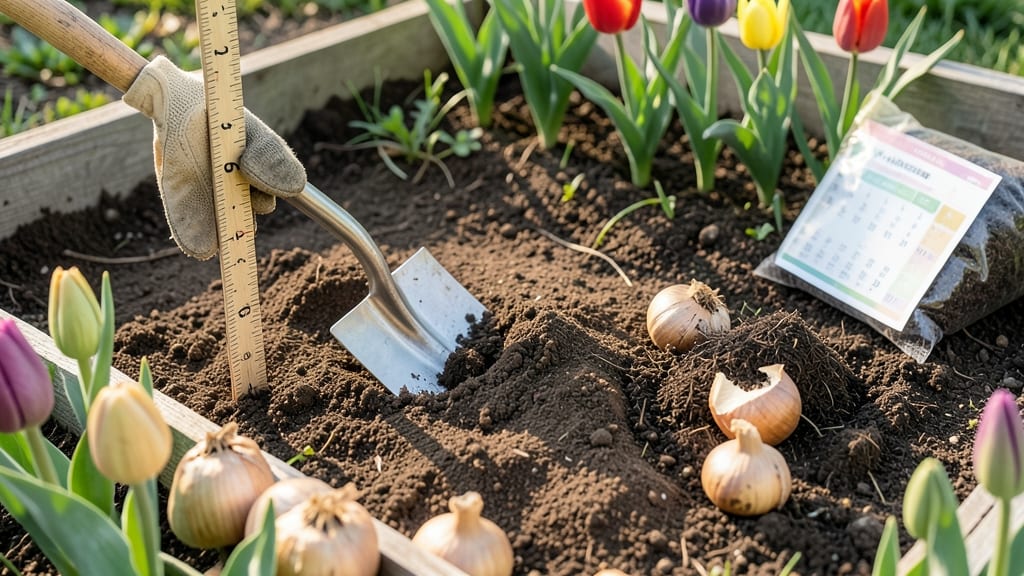
Planting tulip bulbs in Zone 7 during October to November unlocks the secret to those showstopping spring blooms 🌷 — and getting the timing wrong means skipping next year’s parade of color entirely.
Picture this: you’ve spent good money on premium bulbs, only to wake up to a frozen ground or a muddy mess that smothers them.
That’s why the 6-week window before your first frost is non-negotiable — and why I’m sharing the exact dates, soil checks, and weather tricks that’ll save you from that heartbreak.
Zone 7’s mild winters can throw off even experienced gardeners. Too early, and your bulbs rot; too late, and they won’t root before the cold sets in.
We’ll break down how to read your soil’s temperature, adjust for microclimates, and even salvage a late planting if Mother Nature throws you a curveball.
By the end, you’ll know not just when to plant, but how deep, how far apart, and which tulip varieties play best in your backyard. Let’s get those bulbs in the ground the right way — so you’re the one everyone asks for tips from next spring.
Ideal planting window for Zone 7 tulip bulbs (with exact dates)
Getting your tulip bulbs in the ground at the right time in Zone 7 means the difference between vibrant spring blooms and wasted effort.
The perfect window is a 4-6 week period before the ground freezes solid—typically mid-October to early November—but exact dates shift based on your microclimate and frost patterns. Plant too early, and your bulbs may sprout and get fried by an early freeze.
Plant too late, and they won’t establish strong roots before winter dormancy.
In Zone 7, which spans from northern Virginia to central Texas, the last average frost date ranges from mid-November in 7a to early December in 7b. To calculate your ideal planting window, count back 6 weeks from your first hard frost.
For example, if your area typically sees frost by November 15, aim to plant by October 1. This timing ensures bulbs develop strong root systems before the ground freezes.
Your local frost date is the golden rule for timing. Check your USDA Zone 7a or 7b frost map—areas like Roanoke, Virginia (7a) freeze earlier than San Antonio, Texas (7b).
A soil thermometer ($10 at garden centers) is your best tool: tulip bulbs need 4-6 weeks of 50-60°F soil to root before winter. If your soil stays above 60°F in late fall, bulbs may sprout too soon and get damaged by an unexpected freeze.
For northern Zone 7 (7a), aim to plant by October 15—this gives bulbs time to root before November’s first frost. In southern Zone 7 (7b), you can push planting until early November, as milder winters delay freezing.
However, if your area has unpredictable frost (like central Texas), err on the earlier side. Pro tip: Container-grown tulips can be planted 2 weeks later than in-ground bulbs, since pots insulate slightly better.
Watch for warning signs that you’ve planted too late: bulbs that feel soft or mushy when pressed or show green shoots before the ground freezes won’t survive. If you’re 1-2 weeks late, cover bulbs with straw or leaves to insulate them until the ground freezes.
For extreme late planting, consider forcing bulbs indoors in a pot with pebbles and water to trigger blooms early.
Don’t let myths about "planting after Thanksgiving" fool you—this advice applies to Zone 5, not Zone 7. In our climate, bulbs planted after November 15 risk rot or poor blooming because they can’t establish roots before winter.
Instead, use this 6-week rule: if your last frost is December 1, plant by October 15. This consistency ensures your tulips bloom reliably year after year.
For container gardening, adjust your timeline by 1-2 weeks later than in
How to adjust planting time based on soil temperature and weather
Zone 7’s variable fall weather can turn your tulip planting schedule upside down if you’re not prepared. A soil thermometer is your best friend here—tulip bulbs need 40-50°F soil to root properly before winter dormancy.
Without it, you might plant too early and risk rot or too late and miss the 6-week rooting window before frost.
Even within Zone 7, microclimates play a huge role. A sheltered garden bed might stay warm enough for planting 2 weeks later than an exposed one. Check your local frost forecast—aim to plant 4-6 weeks before the first hard frost (usually mid-November in Zone 7), not the average date.
⚠️ Planting Too Early or Too Late: The Costly Mistakes
- Too Early: Bulbs rot in warm soil (>55°F) before roots establish. Sign: Mushy, black bulbs when dug up in spring.
- Too Late: Roots don’t develop enough before frost. Sign: Skinny, weak stems next spring or no blooms at all.
- Zone 7 Warning: If your soil stays above 50°F past November 15, delay planting until temps drop.
🌡️ Pro Tip: Use a soil thermometer at 6-inch depth—this is where tulip roots will grow.
Don’t rely solely on calendar dates—weather patterns shift yearly. A dry fall can keep soil warmer longer, while unseasonably cold snaps might push your planting window earlier. For example, if October rains persist, wait until soil dries enough to work (aim for 48-50°F).
Watch for local signs too: If your neighbor’s daffodils (which bloom earlier than tulips) are already up by mid-October, your tulip bulbs need to be in the ground ASAP. Conversely, if maple leaves are still clinging in late November, you’ve got extra time.
For container-grown tulips, adjust timing too—pots heat up faster than garden soil. Plant 2 weeks earlier than in-ground bulbs if your containers sit in full sun. And never plant tulips in waterlogged soil; amending with sand or perlite can save your bulbs if your yard stays soggy.
Remember: Tulip bulbs need cold to bloom, but they hate wet cold. If your December forecast promises consistent freezing (below 32°F for weeks), you’re likely safe planting until early November. But if thaw-freeze cycles are predicted, get them in by mid-October.
Finally, document your success—track when you plant each year and note whether blooms were vibrant, sparse, or absent. Over time, you’ll learn your exact microclimate’s ideal tulip planting window. Happy planting! 🌷