
How To
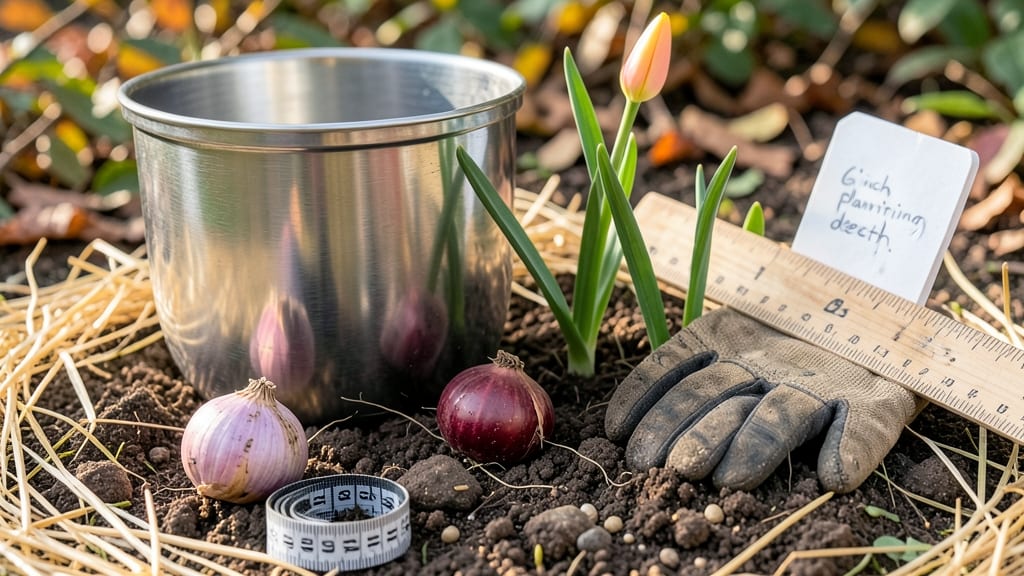
Planting tulip bulbs 4–6 inches apart is the secret to a showstopping spring garden 🌷—too close, and your blooms will fight for space; too far, and you’ll miss the full effect.
Picture this: you’ve just tucked in your bulbs for winter, dreaming of next spring’s vibrant display, only to find your tulips leaning awkwardly or producing tiny, weak blooms. That’s the spacing talking—or, more accurately, the lack of it.
Getting it right isn’t just about aesthetics. Proper spacing ensures strong stems, better airflow (which fights fungal diseases), and the maximum number of blooms per bulb. Whether you’re planting a single row or a full border, the distance matters just as much as the depth.
In this guide, I’ll break down the ideal spacing for different tulip varieties, how to adjust for containers or lawns, and pro tips to make your garden burst with color year after year.
Optimal tulip bulb spacing by variety and garden type
Getting your tulip bulbs spaced just right transforms a good garden into a showstopper. The spacing between tulip bulbs directly impacts bloom size, stem strength, and overall garden density. Most gardeners default to a one-size-fits-all approach, but different tulip varieties and garden settings demand unique spacing strategies.
Let’s break down the science behind spacing to ensure your spring blooms are lush, healthy, and long-lasting.
For example, Darwin hybrid tulips—those towering, late-season giants—need more elbow room than delicate species tulips. Meanwhile, planting in containers requires a completely different approach than in border gardens or even lawns.
Even the planting depth plays a role in spacing, as deeper bulbs need wider gaps to prevent overcrowding. Let’s dive into the specifics so you can plant with confidence.
When planting tulip bulbs in containers, the rules shift dramatically. Containers have limited space, so you’ll need to space bulbs closer—typically 3–5 inches apart—but use fewer bulbs per pot. A 12-inch pot can comfortably hold 3–5 bulbs, while a 16-inch pot can accommodate 7–9.
The key is ensuring bulbs aren’t crammed; otherwise, you’ll end up with smaller blooms and weaker stems. Always use a well-draining potting mix to prevent rot, especially in small spaces.
For border gardens, the spacing depends on the mature height of your tulips. Dwarf varieties (like Tulipa greigii) can be planted 3–4 inches apart, while standard-height tulips (like Parrot tulips) need 6–8 inches of space.
Pro tip: Group 3–5 bulbs together in clusters to create a natural, fuller look. This mimics how tulips grow in the wild and ensures a denser bloom display without overcrowding.
If you’re planting tulips in a lawn or turf setting, aim for 6–8 inches between bulbs
Common mistakes that ruin tulip spacing (and how to fix them)
Even experienced gardeners sometimes struggle with tulip spacing, and the results can be disappointing—small blooms, weak stems, or sparse displays. The key is finding that perfect balance between overcrowding and overspacing.
Too close, and bulbs compete for nutrients, leading to stunted growth. Too far apart, and your garden looks thin and unplanned.
I’ve seen gardens where tulips were planted just 2 inches apart, resulting in tiny blooms and floppy stems. On the flip side, spacing them 12+ inches apart can leave gaps that look unintentional.
The ideal spacing depends on your tulip variety and garden goals, but most gardeners benefit from 4–6 inches between bulbs for single blooms or 8–12 inches for clusters.
⚠️ Warning: Wrong Spacing = Weak Tulips!
Overcrowding causes bulbs to fight for nutrients, leading to smaller blooms and floppy stems. Overspacing creates gaps and a sparse look. The fix? Dig up crowded bulbs and replant at 4–6 inches apart. For existing gardens, add companion plants like daffodils or alliums to fill gaps naturally.
One of the biggest red flags is smaller-than-expected blooms. If your tulips look like they’re struggling to reach their full potential, check their spacing. Bulbs planted too close often produce stunted flowers because they’re competing for water and nutrients.
Another clue is weak stems that bend or break easily—this happens when bulbs are too crowded and can’t develop strong roots.
To fix an overcrowded tulip bed, start by gently digging up bulbs in fall or early spring. Space them 4–6 inches apart for single blooms or 8–12 inches apart for clusters.
If you’re working with Darwin hybrid tulips, which are larger, give them extra room—10–12 inches apart ensures they have space to grow without competing.
For overspaced tulips, the solution is simpler: add companion plants or fill in with annuals like pansies or violas. This creates a fuller look while still giving your tulips room to thrive.
If you’re replanting, consider layering bulbs—plant smaller bulbs like crocuses or grape hyacinths in the gaps between tulips for a layered, textured garden.
Remember, tulip spacing isn’t just about aesthetics—it’s about long-term bulb health. Proper spacing ensures bulbs store enough energy to rebloom next year.
If you’ve been guilty of planting too close, don’t worry—digging up and replanting in fall can give your tulips a fresh start for a vibrant spring display.