
Plants
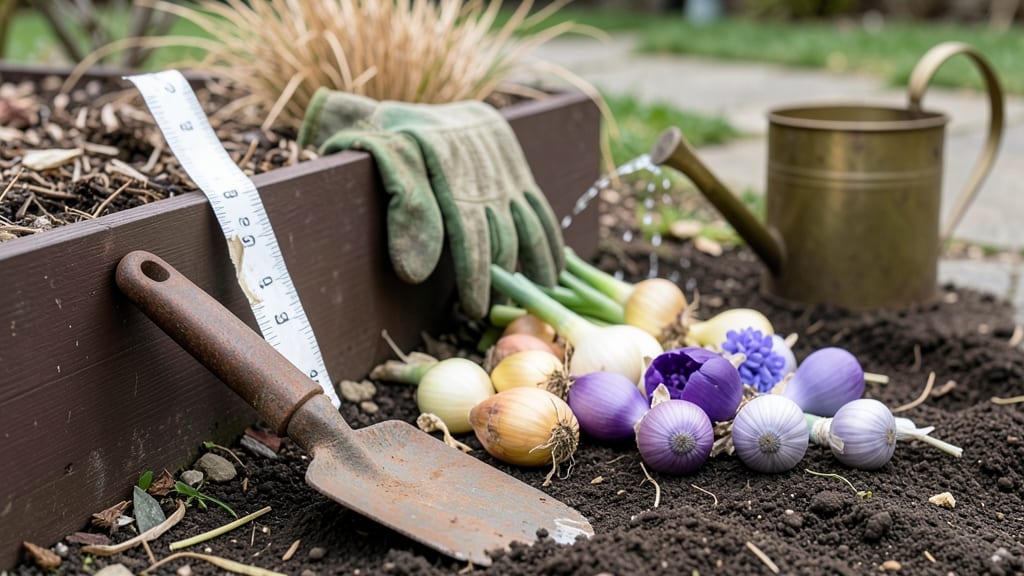
Planting bulbs in spring at the right time ensures vibrant blooms next year — but timing wrong means waiting another season for color.
You’ve probably heard that spring is the perfect time, but the truth is more nuanced. In USDA Zone 6a, like where I garden, bulbs like tulips and daffodils need to go in the ground 6-8 weeks before the last frost — usually by late summer or early fall.
That’s because these Spring-Planted Bulbs 🌷 need a chilly dormancy period to bloom properly.
Miss that window, and you risk weak growth or no flowers at all. The good news? I’ll break down the exact frost-date cheat sheet by zone, plus soil prep tips to give your bulbs the best start.
By the end, you’ll know not just when to plant, but how to avoid common mistakes that even experienced gardeners make — like planting too deep or in soggy soil.
USDA zone spring planting calendar for bulbs: exact frost-date guide
Spring bulb planting feels like unlocking a secret garden—timing is everything. Plant too early, and a late frost will kill tender shoots. Too late, and your bulbs won’t have enough time to root before summer heat sets in.
The key? Knowing your USDA zone and local frost dates to create a perfect planting window for each bulb type. Let’s break it down by zone so you can plant with confidence.
Most spring-blooming bulbs—like tulips, daffodils, and crocus—are actually planted in fall, but some, such as alliums, fritillaries, and late-season crocus, thrive when planted in early spring. The difference? Frost sensitivity.
Early spring bulbs need to avoid soil temps below 40°F (4°C), while classic fall-planted bulbs can handle winter dormancy. Below, we’ll map out your planting timeline by zone.
Pro Tip: Use your average last frost date as your deadline. For example, in Zone 5, where the last frost is typically April 15, you have until mid-April for frost-sensitive bulbs. In Zone 9, where frost is rare, you can plant until late February. Always check your local Almanac’s frost calendar for precision.
| USDA Zone | Early Spring Bulbs (Plant by Date) | Late Spring Bulbs (Plant by Date) | Frost Risk | Examples |
|---|---|---|---|---|
| 3-4 | Mid-April to May 1 | May 15 | High (plant after last frost) | Alliums, Fritillaria, Late Crocus |
| 5-6 | Late March to April 15 | April 30 | Moderate (watch for late frosts) | Grape Hyacinth, Snowdrops, Late Tulips |
| 7-8 | February 15 to March 15 | March 31 | Low (rare frosts) | Daffodils, Hyacinths, Early Crocus |
| 9-10 | January 15 to February 15 | February 28 | Minimal (plant early) | Tulips, Ranunculus, Anemones |
In Zones 3-4, where winters are harsh, focus on late-season bulbs like alliums and fritillaries. These varieties can handle cooler soils and often bloom in late spring, avoiding the risk of early frosts.
Plant them after your last frost date—typically mid-April to early May—and they’ll reward you with bold, dramatic blooms when most gardens are still waking up.
For Zones 5-6, your window is wider but still critical. Grape hyacinths and snowdrops are excellent choices for early spring planting, as they tolerate light frosts once established. Aim to plant by April 15 to ensure roots establish before summer heat arrives.
If you miss this window, wait until fall for classic bulbs like tulips and daffodils.
Zone 7-8 gardeners have the advantage of warmer soils earlier in the year. You can start planting as early as mid-February for daffodils and hyacinths, which thrive in cooler temperatures. By March 15, you can safely add tulips and crocus. The key here is to avoid planting after March 31, as the soil may become too warm for root development.
In Zones 9-10, where frost is rare, you can plant through February for most spring bulbs. Tulips and ranunculus love the mild winters and will bloom earlier and more prolifically than in colder zones.
However, don’t delay past February 28, or your bulbs may struggle to establish before the heat of summer sets in. These zones also allow for year-round planting, but spring is ideal for maximizing bloom time.
One common mistake is assuming all spring bulbs are planted the same way. Tulips and daffodils are often planted in fall, but their spring-planted cousins—like alliums and fritillaries—need
5 Critical mistakes that ruin spring bulb planting (and how to avoid them)
Spring bulbs like tulips and daffodils need precise timing to thrive. Planting too early or late can stunt growth or invite pests. Even experienced gardeners make these common mistakes—here’s how to avoid them.
The key is understanding your USDA zone and frost dates, which dictate the perfect window for planting.
First, many gardeners rush planting in early spring, assuming warmer weather means readiness. But bulbs need chilled soil to break dormancy. In zones 3-5, wait until after the last frost date (typically late April to early May).
In warmer zones 7-10, late winter (February) works, but avoid soggy soil.
⚠️ callout warning
Spring bulbs planted before soil temperatures hit 50°F (10°C) risk freezing. Check your zone:
- Zones 3-5: Wait until after April 15 (adjust for your last frost date).
- Zones 6-8: Plant by mid-March to avoid late frosts.
- Zones 9-10: February is ideal—soil warms faster.
Pro Tip: Use a soil thermometer to confirm readiness. Bulbs planted in cold soil may rot or fail to sprout.
Another mistake is skipping soil prep. Bulbs need well-draining soil to prevent rot. Amend heavy clay with compost or sand, and avoid low-lying areas where water pools. Test soil pH—most bulbs prefer 6.0-7.0. If your soil is acidic, add lime before planting.
Depth is critical too. Plant bulbs 2-3 times deeper than their height. For example, a 2-inch tulip bulb should go 4-6 inches deep. Shallow planting exposes bulbs to temperature swings and pests. Mark planting spots with stakes to avoid digging too deep or too shallow later.
Overcrowding is another silent killer. Space bulbs 3-6 inches apart (depending on variety) to allow airflow and reduce disease risk. Overpacked bulbs compete for nutrients, leading to smaller blooms or no flowers. Use a bulb planter or your finger to create proper spacing—it’s easier than you think!
Finally, neglecting post-planting care sabotages success. After planting, water deeply to settle soil around bulbs, then reduce watering until shoots appear. Once foliage emerges, fertilize with a low-nitrogen mix (like 5-10-10) to encourage blooms, not leaves. Let foliage die back naturally—this recharges bulbs for next year.
By avoiding these 5 mistakes, your spring bulbs will reward you with bold blooms and years of easy care. Start with your zone’s frost dates, prep soil like a pro, and give bulbs the space they deserve. Happy planting!