
Plants
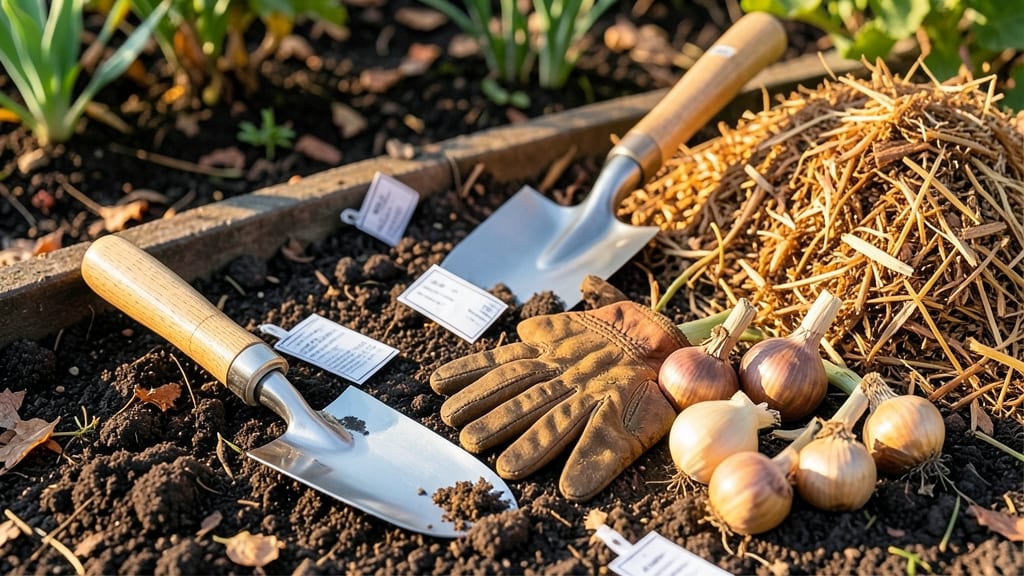
To plant bulbs in Virginia, aim for October–November or February–March—when the soil is cool but workable and the weather cooperates.
Planting bulbs in Virginia’s unpredictable climate can be tricky—get the timing wrong, and you might end up with no blooms. But knowing whether your bulbs need winter chill or thrive without it is the key to a stunning spring garden.
Virginia’s 6a-7b zones mean some bulbs, like daffodils and tulips, need that cold dormancy to bloom, while others, like rain lilies, skip right to action. The difference isn’t just about when you plant—it’s about which bulbs you choose.
Below, I’ll break down the best planting windows, the no-chill varieties that work here, and how to protect your investment from deer and soil challenges. By the end, you’ll know exactly when to dig—and which bulbs to trust for your garden.
Best planting times for chill-requiring bulbs in Virginia
Virginia’s USDA Zones 6a-7b create unique challenges for chill-requiring bulbs like tulips and daffodils. These varieties need 6-12 weeks of winter chill (below 40°F) to bloom properly. Planting too early or late can leave you with no flowers—or worse, rotten bulbs.
The key is timing based on your microclimate, whether you’re in the Coastal Plain, Piedmont, or Mountains.
For most of Virginia, the ideal window is October through November, about 6-8 weeks before the ground freezes. This gives bulbs time to root before winter dormancy.
In warmer Coastal areas (like Norfolk), aim for November to avoid premature sprouting. Meanwhile, higher elevations (like Roanoke) can plant as early as late September.
Here’s how to adjust for Virginia’s regional differences:
| Region | USDA Zone | Best Planting Month | Soil Prep Tip | Depth (inches) |
|---|---|---|---|---|
| Coastal Plain | 7a-8a | Late November | Add sand for drainage | 8-10 |
| Piedmont | 6b-7a | October-November | Mix compost into soil | 6-8 |
| Mountains | 5b-6a | Late September-October | Mulch heavily after planting | 5-7 |
| Shade Gardens | All zones | November (delayed) | Choose dwarf varieties | 5-6 |
Before planting, prepare your soil by amending it with organic matter like compost or well-rotted manure. Chill-requiring bulbs thrive in well-draining soil—clay-heavy areas need extra sand or perlite.
Test your soil’s pH (6.0-7.0 ideal) and adjust with lime or sulfur if needed. Deer pressure is high in Virginia, so consider planting bulbs in raised beds or using deer-resistant varieties like daffodils.
Plant bulbs 3 times as deep as their height (e.g., a 2-inch tulip bulb goes 6 inches deep). Space them 4-6 inches apart for smaller varieties and 8-12 inches for larger ones like daffodils.
After planting, water deeply to settle the soil and encourage root growth. Mulch with straw (not leaves) to protect bulbs from freeze-thaw cycles and rodent damage.
If you miss the fall window, don’t despair—early spring planting (February-March) works too, but bulbs may bloom later in the season. Choose hardy varieties like daffodils or alliums, which tolerate cooler soils better than tulips.
Avoid planting after mid-March, as bulbs need time to establish roots before summer heat arrives.
Virginia’s unpredictable springs can bring early warmth, causing bulbs to sprout too soon.
If this happens, protect them with frost cloth or move potted bulbs to a garage or shed until temperatures stabilize. Late frosts (common in April) can damage emerging shoots, but most chill-requiring bulbs bounce back once temperatures rise consistently above 50°F.
For long-term success, fertilize bulbs in early spring (when foliage appears) with a balanced 10-10-10 fertilizer. Avoid high-nitrogen feeds, which encourage leafy growth over blooms. Let foliage die back naturally after flowering—this feeds the bulb for next year’s bigger, brighter blooms.
Pro tip: Plant bulb layers for extended color. Start with early bloomers like crocus (February), then add tulips (March-April), and finish with alliums (May-June). This creates a stunning spring progression that keeps your garden vibrant for months.
Top no-chill bulbs that flourish in Virginia’s mild winters
Virginia’s mild winters (USDA zones 6a-7b) create perfect conditions for no-chill bulbs that skip dormancy and bloom year-round. These tropical or subtropical varieties thrive without freezing temperatures, offering continuous color even when traditional bulbs rest.
Unlike chill-requiring tulips or daffodils, these low-maintenance gems reward gardeners with bold foliage and exotic blooms.
No-chill bulbs excel in Virginia’s humid subtropical climate, especially in sheltered microclimates like urban gardens or containers. They’re ideal for landscapers, container gardeners, and pollinator-friendly yards seeking extended blooming seasons.
With the right planting timing and moisture balance, these bulbs can flower twice yearly—spring and fall—adding year-round interest to your garden.
🌱 Styled List: Virginia’s Best No-Chill Bulbs
- 🌿 Rain Lilies (Zephyranthes) – Plant in spring (March-April); full sun to partial shade; drought-tolerant once established; blooms after rain showers.
- 🌸 Crinum Lilies – Plant in early spring (February-March); full sun to partial shade; moist, well-draining soil; fragrant white blooms in summer.
- 🌹 Society Garlic (Tulbaghia) – Plant in fall or spring; full sun; deer-resistant; garlic-scented foliage with purple flowers.
- 🌺 African Lily (Agapanthus) – Plant in spring (March-April); full sun; drought-tolerant; umbel-shaped blue blooms in summer.
- 🌼 Spider Lilies (Lycoris) – Plant in fall (October-November); partial shade; blooms in late summer after tropical storms.
For optimal blooms, plant no-chill bulbs in well-draining soil with organic matter (compost or aged manure). Most prefer 6+ hours of sunlight daily, though African lilies and crinum tolerate partial shade. Water deeply after planting, then reduce frequency once established—most are drought-tolerant once roots spread.
No-chill bulbs shine in containers and borders, especially near water features (like rain lilies) or in pollinator gardens. Society garlic deters pests naturally, while agapanthus adds structural height to mixed beds. Mulch lightly in winter to protect roots from freeze-thaw cycles, though these bulbs rarely need winter chill.
To maximize blooms, fertilize lightly in early spring with a balanced 10-10-10 formula. Avoid overfeeding—no-chill bulbs store energy differently than chill-requiring varieties. Deadhead spent blooms to encourage reblooming, and divide clumps every 3-4 years to prevent overcrowding.
Embrace Virginia’s mild winters with these low-maintenance bulbs—they’ll reward you with vibrant blooms when traditional spring bulbs are still dormant. Start with rain lilies for easy-care color or agapanthus for dramatic summer displays—your garden will thank you! 🌷